For today’s stop on our tour of a few of the vehicles that went through Martin’s Auction last weekend, we have a hand-pump fire engine.

.
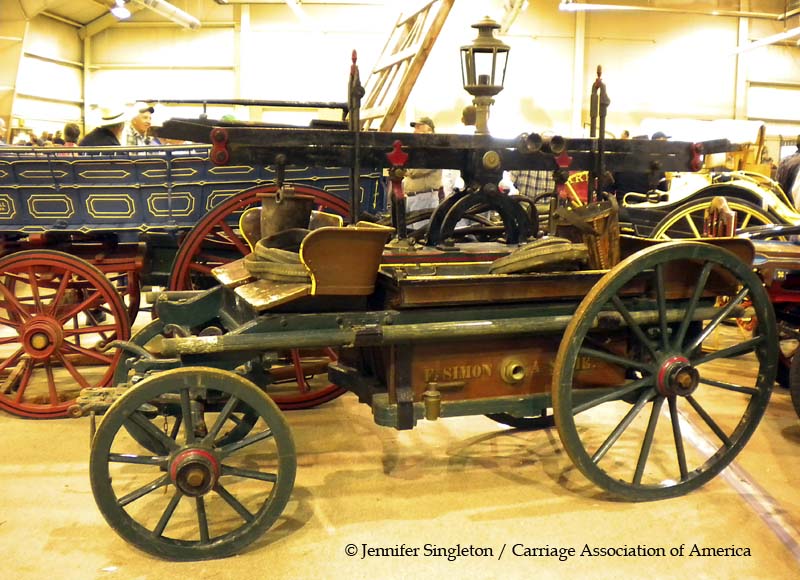
that streetlight just looks like it’s part of the fire pumper … it’s really not

.
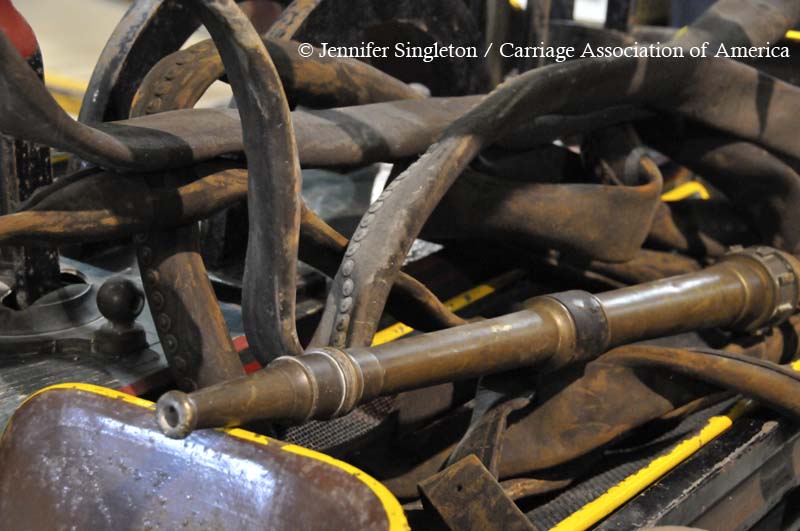
these old leather-looking hoses appear a bit stiff and unwieldy now

.

two (three?) fire fighters would’ve sat here, and two in the front, on the way to the fire

.

The metal arms on the top of the pumper unfold, one to the front and one toward the back. When they’re both unfolded and locked into place, they form the arms of the pump mechanism, which could be operated by four people.

In the first photo, do you see the trough under the mechanism, behind the seat? There’s one of these on each side, with a heavy wire-mesh screen on top to act as a filter. Bucket brigades would’ve kept a supply of water pouring into the troughs, which was then pumped out through the fire hose.

How do I know this, you ask?

Bonus material alert!

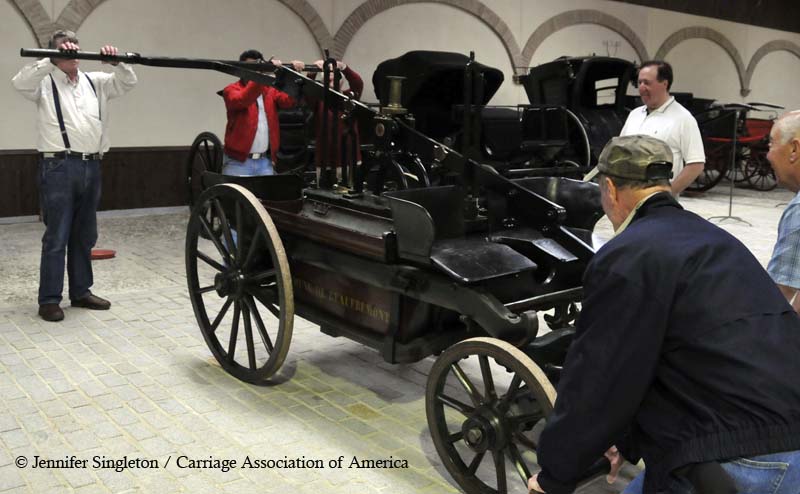
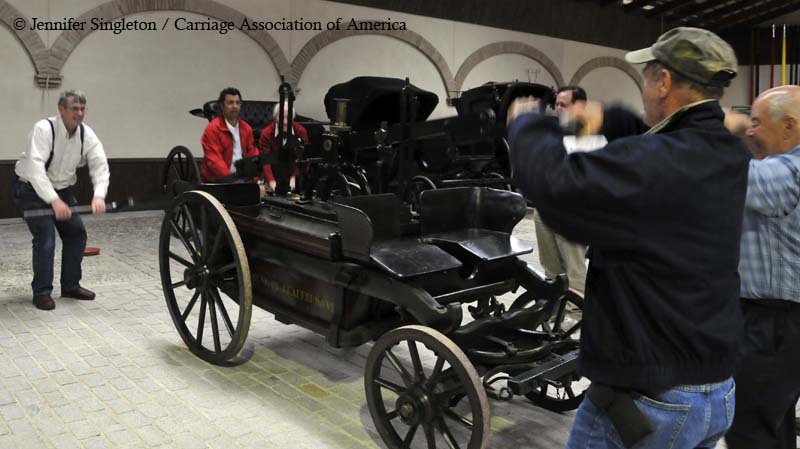
Here are a few photos of a similar hand-pump fire engine, first “at rest” (but with the pumping arms already folded out) and then “in operation” with CAA members manning the pumping stations.

This fire pumper is owned by CAA member Miguel Angel Gutierrez Camarillo, whose collection our CAA group visited during our 2011 trip to southern Spain:

.

.
.
.

Over the next couple of days, I’ll continue to feature a few (a VERY few, mind you, there were hundreds) of the vehicles that went through last week’s auction.

Here’s a beautiful, if a bit down at the heels, butcher’s cart:

.

.

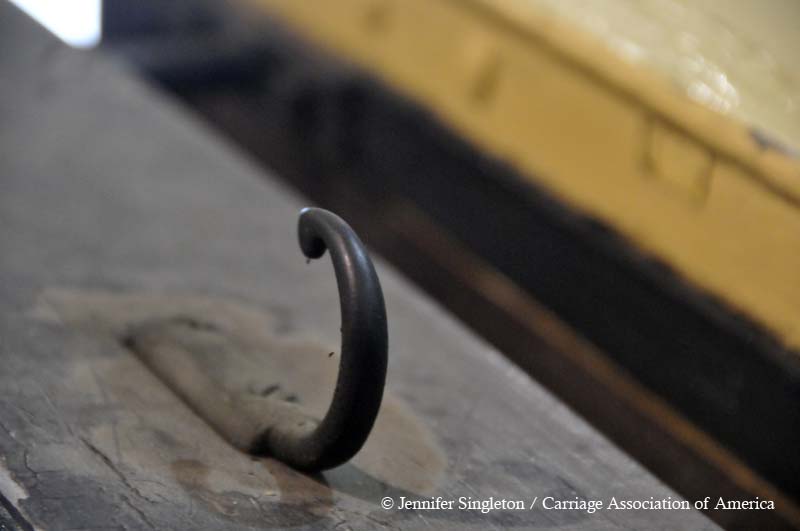
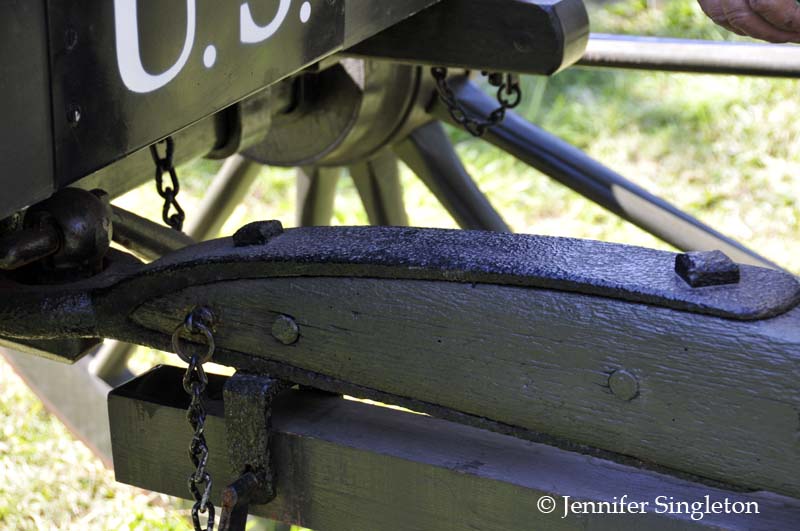
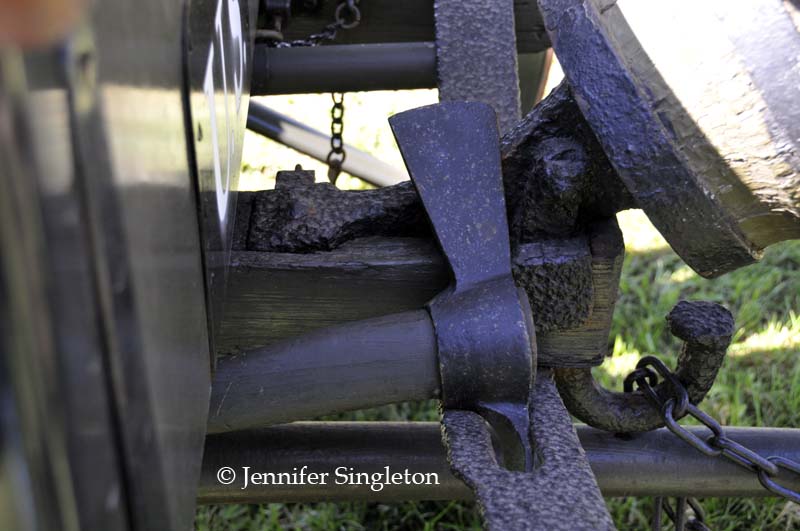
And here’s another view. See the hooks on the fender (and the close-up in the second photo)? Anyone know what these were for? There’s one on each fender, and they do appear to be original. Someone I talked with was wondering whether they might’ve been for hooking the reins out of the way while the butcher was helping his clients.

.

.

.

I’ve just returned home from my first-ever visit to the fall edition of Martin’s Auction.

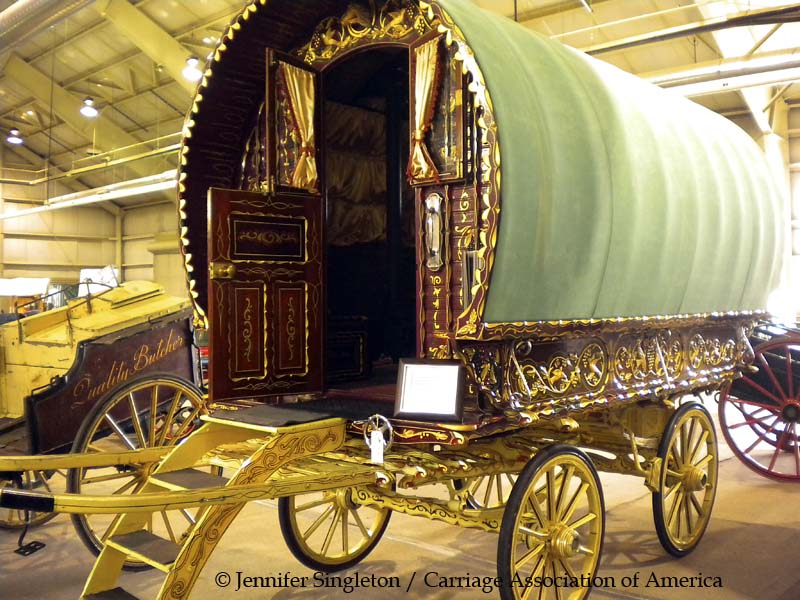
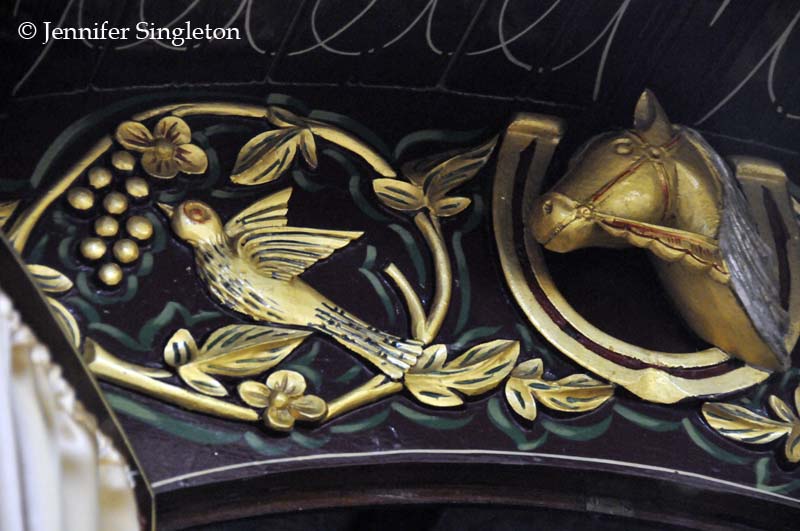
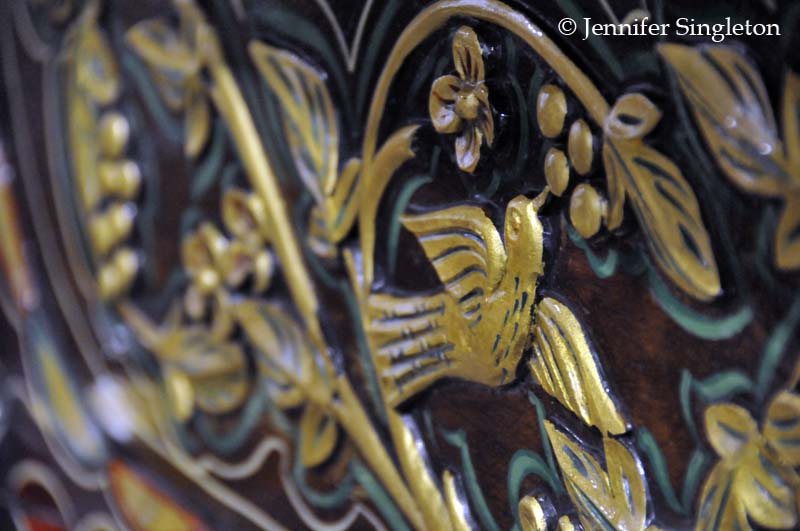
One of the stars of the auction was this gypsy wagon, which fetched nearly $30,000.

(If you have a copy of the October issue of The Carriage Journal, you can read an article on gypsy caravans.)

.

.

.

.

.

.

.

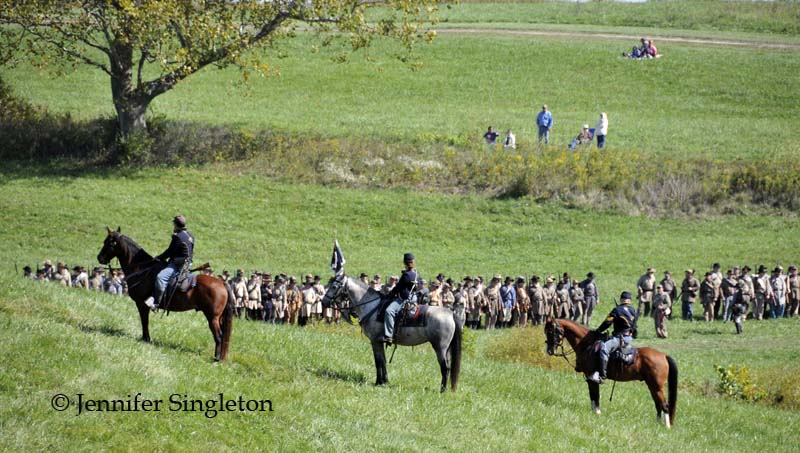
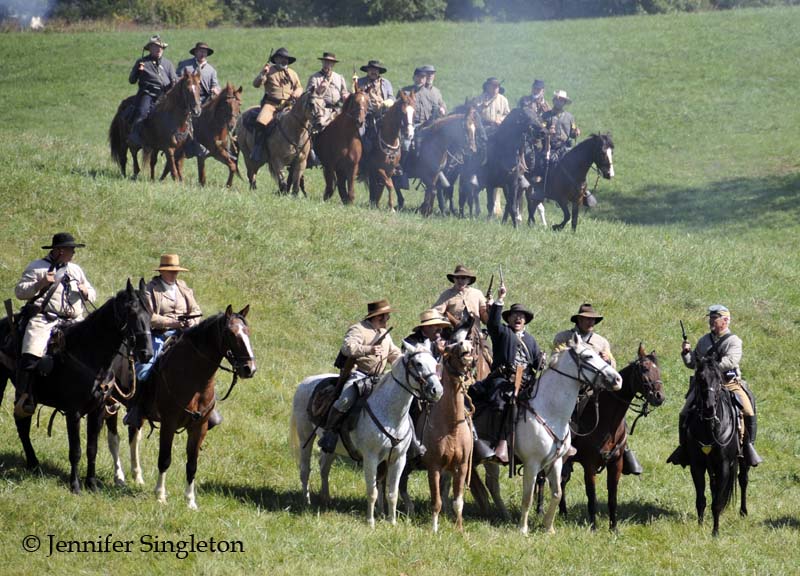
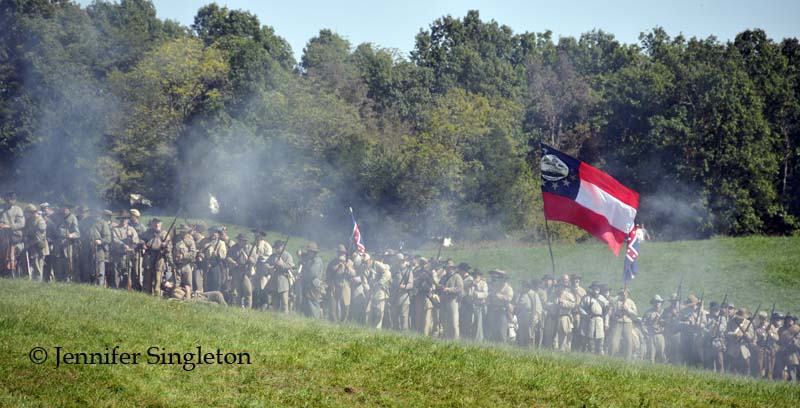
For our final look at the 150th-anniversary reenactment of the Battle of Perryville, here are a few scenes from the reenactment itself:

.

.

.

.

.

.

.

.

[Hey, I found an Internet connection!]

We’re (still) back at the Perryville reenactment for two more days …

While we were visiting with some of the folks in the horse-drawn artillery unit, we walked with a couple of them to meet another artillery unit and see their pieces, which were on display but not being used.

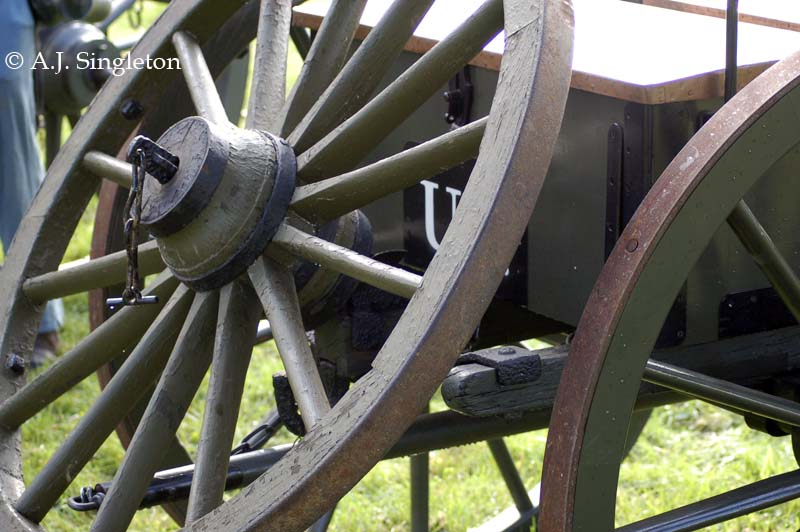
Over the course of the day, we learned that a unit of horse-drawn artillery would’ve had six or eight cannon, each pulled by six horses. As you’ve seen in the previous artillery photos, each cannon is attached to a limber (the front wheels of the four-wheeled device) with a box on top. That box carries the cannon’s ammunition (thirty-nine shells in the case of the twelve-pound howitzer we saw).

Each cannon, then, would’ve been accompanied by a second horse-drawn limber with a caisson attached, and each caisson carried another two boxes of ammunition. As you can see here, a spare wheel was carried on the back of the caisson.

.

.

.

Portions of this particular limber and caisson are original, and it has all sorts of nooks and crannies and carrying cases for a spare pole, an ax, a hatchet, etc.

.

.

.

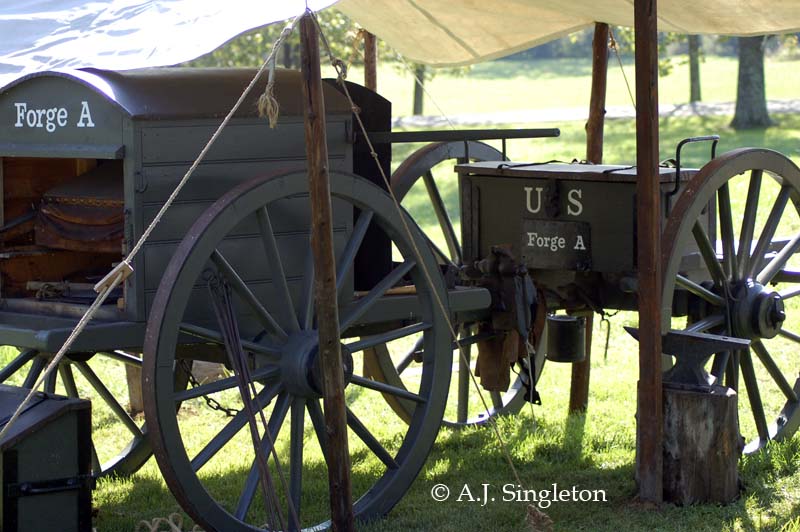
Each unit also had its own blacksmith, who would’ve had a setup like this:

.

.