travel / destinations


After Madison, Indiana, our next stop was small (but historical) Bardstown, Kentucky.

Bardstown was one of the earliest frontier settlements in what is now Kentucky, and it boasts an awful lot of national, state, and regional history for such a small town … and a lot of lovely old architecture.

This building is the Old Talbott Tavern. Its original section (on the left) was built in 1779, and it’s still used as a restaurant, tavern, and inn.

.
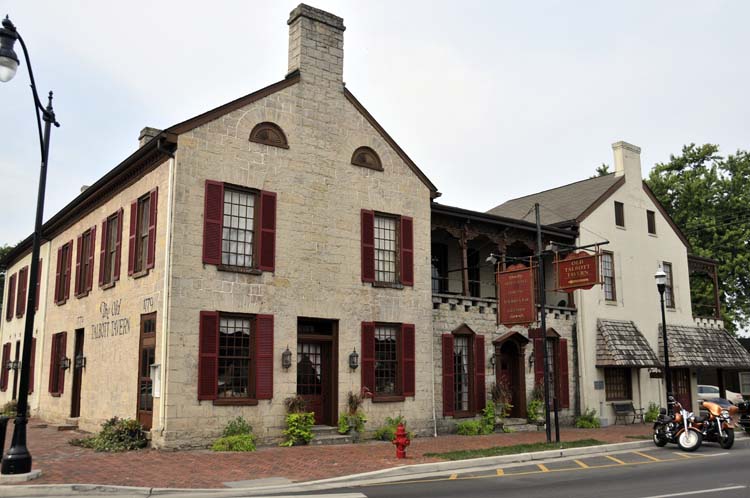
this eighteenth-century tavern is said to be the country's oldest western stagecoach stop

.

According to both news reports and legend, several notable figures have stayed here, including Abraham Lincoln, when he was a young boy, and his family; Daniel Boone; and the exiled French King Louis Phillipe and his entourage (they even painted murals on the upstairs walls). Jesse James, who had family in Bardstown, is also reported to have stayed here, and he’s believed to be responsible for the bullet holes in the French king’s murals. Sadly, portions of the inn were heavily damaged in a 1998 fire. The murals have not yet been restored, so we weren’t able to see them for ourselves.
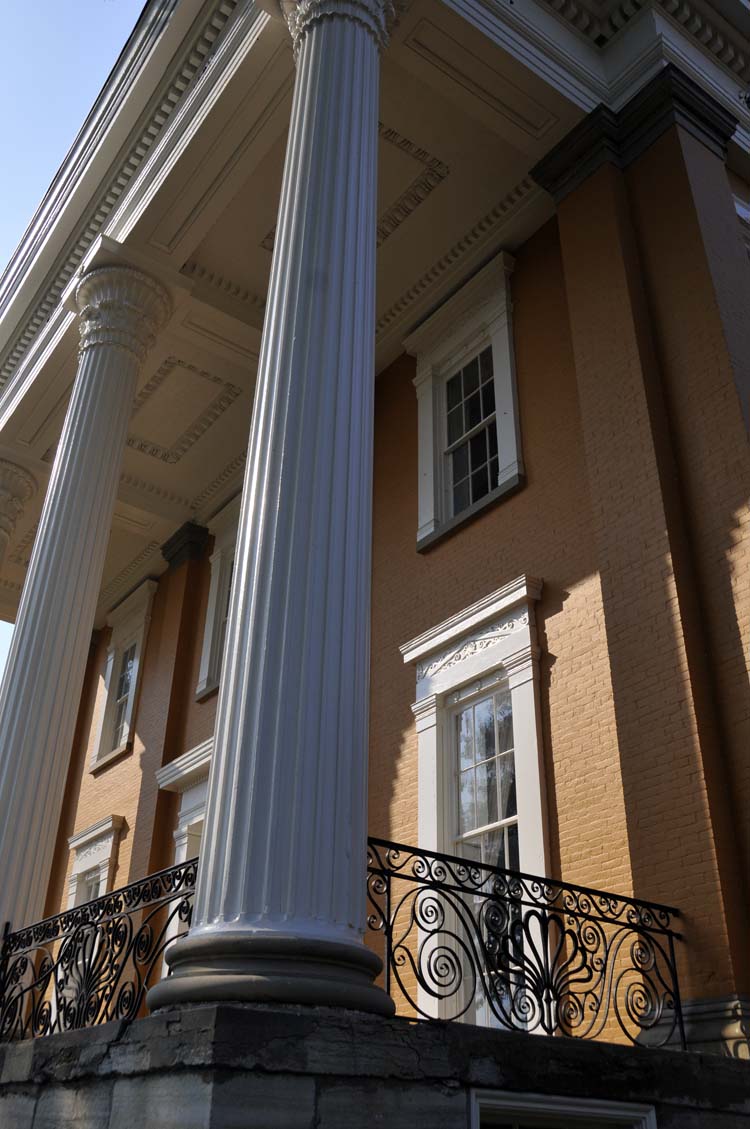
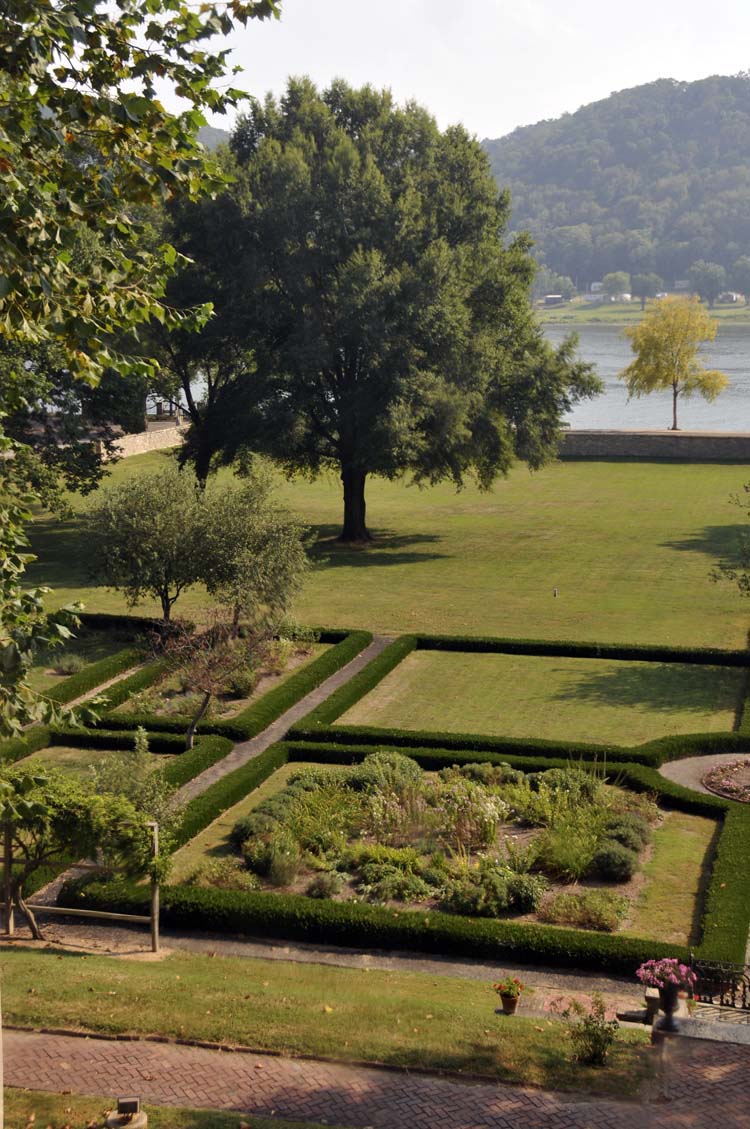
While in Madison, Indiana, we visited a spectacular Greek Revival house built in 1844 for James F. D. Lanier.

.

a portion of the back "patio" of the Lanier Mansion

.

the view from the second-story windows in the previous photo; that's the Ohio River in the distance and Kentucky on the other side of the river

.

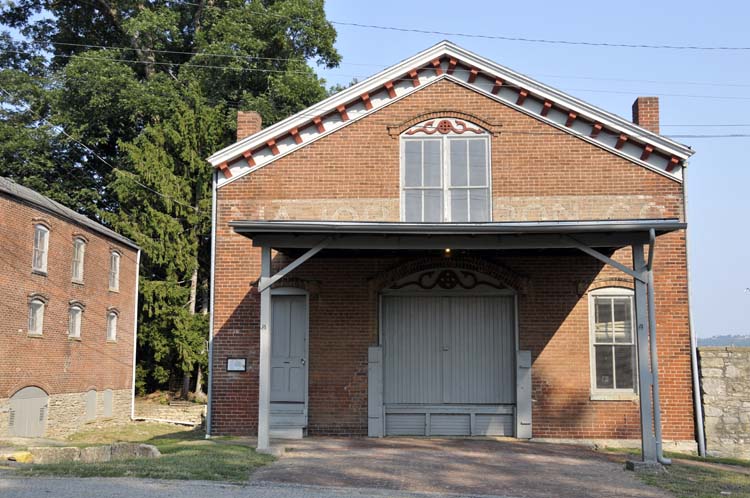
Across the street from the back garden is this carriage house:

.

according to a sign on this carriage house, it was "probably built c. 1887 by John Robert Cravens, attorney-at-law, as a carriage house and stable"

.

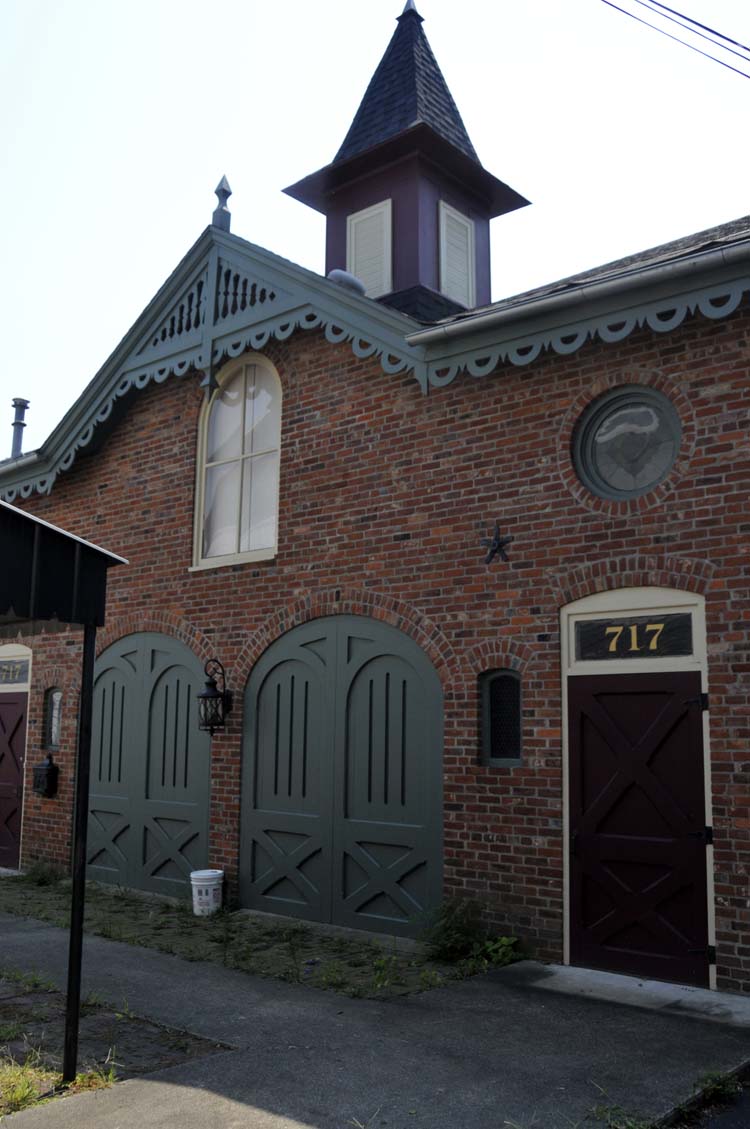
… and, next to it, this carriage house:

.

according to its sign, this carriage house was built by either William Stepp or Alexander C. Lanier (son of James, who built the neighboring mansion) between 1887 and 1892; after the early twentieth century, it was used as a cooperage, a garment factory, and a tobacco prizing house (where tobacco was graded and packed for shipment)

A.J. and I recently went on vacation and toured around some areas not too far from here: Louisville, a couple of small towns here in Kentucky, and a lovely nineteenth-century Ohio River town in Indiana. Both of us are naturally drawn to historic things and places anyway, and there’s no escaping carriage-era history in well-preserved nineteenth-century places, so we had fun gathering information and photos to share here on the blog.

First up is this beautiful Victorian-era coach house at the end of a driveway in Madison, Indiana:

.

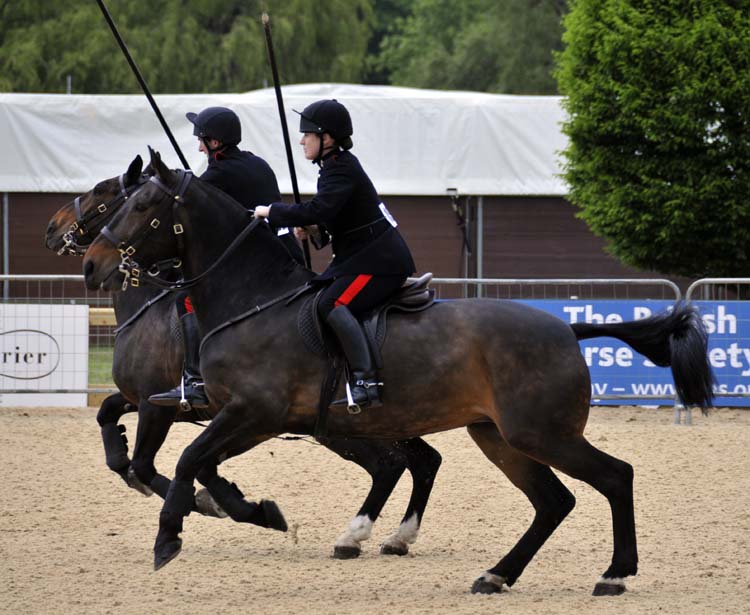
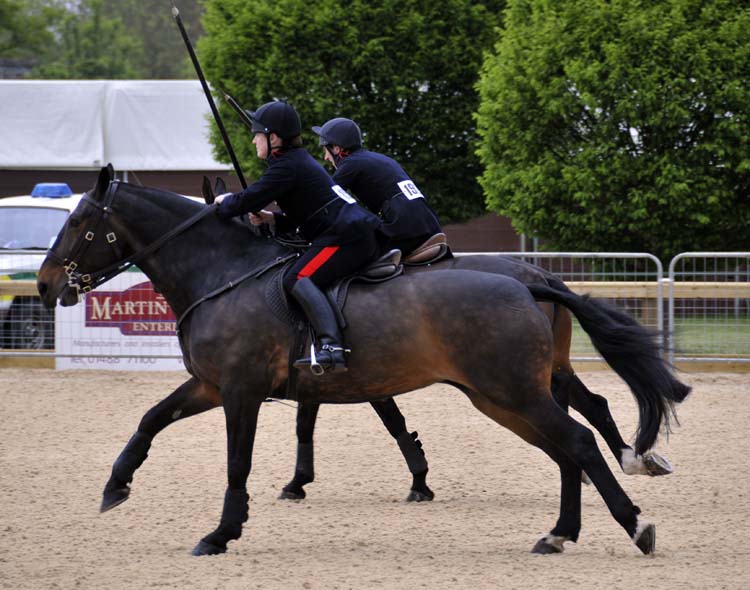
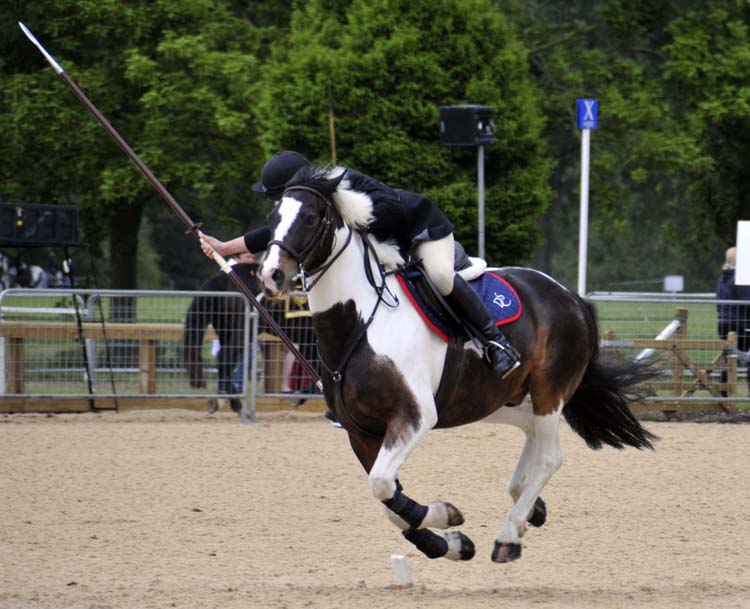
C’mon, admit it, most of you had never ever even heard of tent-pegging before reading about the 1897 Rough Riding Club of New York, right?

Well, believe it or not, the sport is still played today. It’s especially popular in Great Britain, Australia, India, Pakistan, Israel, and South Africa.

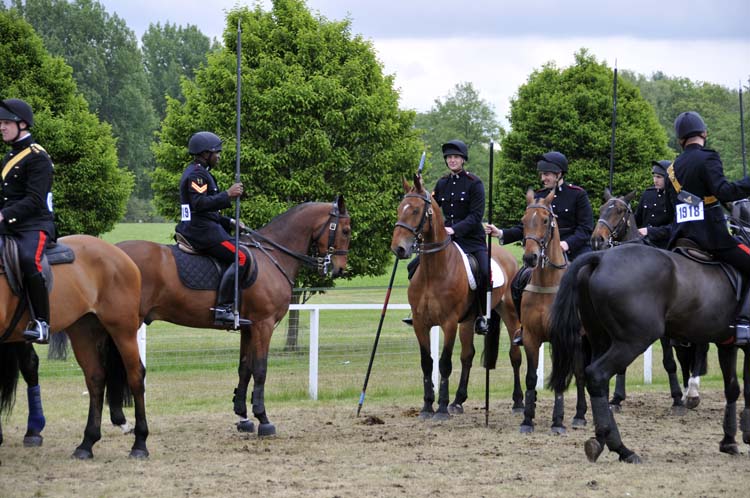
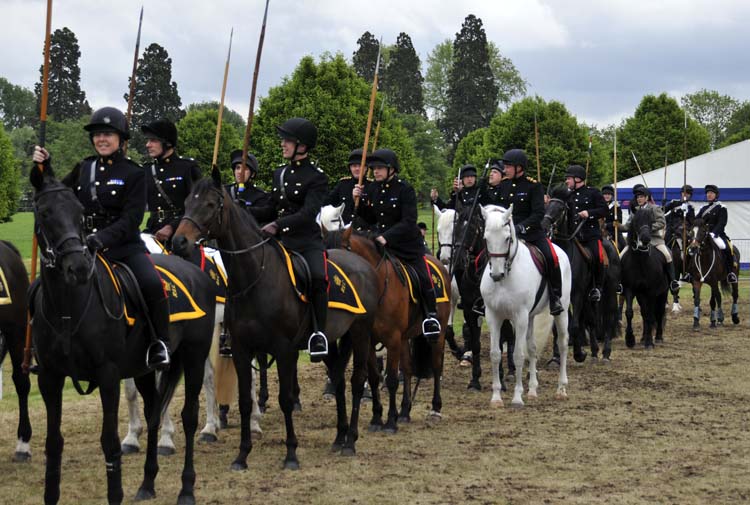
If you travel with the CAA to the Royal Windsor Horse Show in England, you can see this cavalry-inspired sport for yourself. As proof, here are a few photos from the tent-pegging competition at Windsor in 2009:

.

.

.

.

.

As I mentioned yesterday, the Carthusian (oldest, purest) strain of Spanish horses was bred — starting in the fifteenth century — by the Carthusian monks who lived and worked at this monastery:

.

.

The horse-breeding operation is now carried out at a modern facility farther outside of town, and this former monastery is now, we were told, a private convent. Sadly, it’s not open to the public, so we could merely admire the facade and imagine how ornate and beautiful it must be on the inside.

« Previous PageNext Page »