miscellaneous


I’m getting ready to make a few changes around here … but rather than springing them on you with no warning, I wanted to let you know what’s coming.

First, because carriageassociation.wordpress.com is such a long web address, we’ll be changing the blog’s URL to what we hope will be an easier-to-remember address … one that actually matches the name the blog has had for a while now. Soon, you’ll be able to find “The Slower Road” at theslowerroad.com. This should allow people to find the blog online more easily. I do hope this change won’t affect any of our blog subscribers (I’m hoping, in other words, that WordPress will handle the switch for you and you won’t need to re-subscribe … but we’ll see). And all you lovely, loyal, daily blog readers who haven’t subscribed: When I say “go,” please bookmark the blog at its new address.

Second, I’m happy to announce that I’ve started a brand-spanking-new photography business on the side … and I’ll be launching its new website very soon as well. In conjunction with that new website, I’ll be starting my own personal blog. I probably won’t post to that one as often as I do here, but it may have more of the “off-topic” posts I sometimes include here. Which also means that I’m going to try to keep this blog more on-topic. Unless, of course, y’all start clamoring for Univ. of Kentucky basketball news!

As part of these blog changes, I’m going to move my personal Twitter feed (at right) over to the new blog. And I’m going to move the CAA’s “official” Twitter feed (which is also me, but more focused on the CAA, carriages, and driving) to this blog.

And, finally, if you don’t mind, I’m going to stop trying to post something here every. single. day. Instead, I’ll be sticking with every weekday but taking the weekends off, except for those weekends during CAA events, trips, etc. where I’m working.

I’m planning to launch these various new websites and make the various other changes and switcheroos next week. Stay tuned!
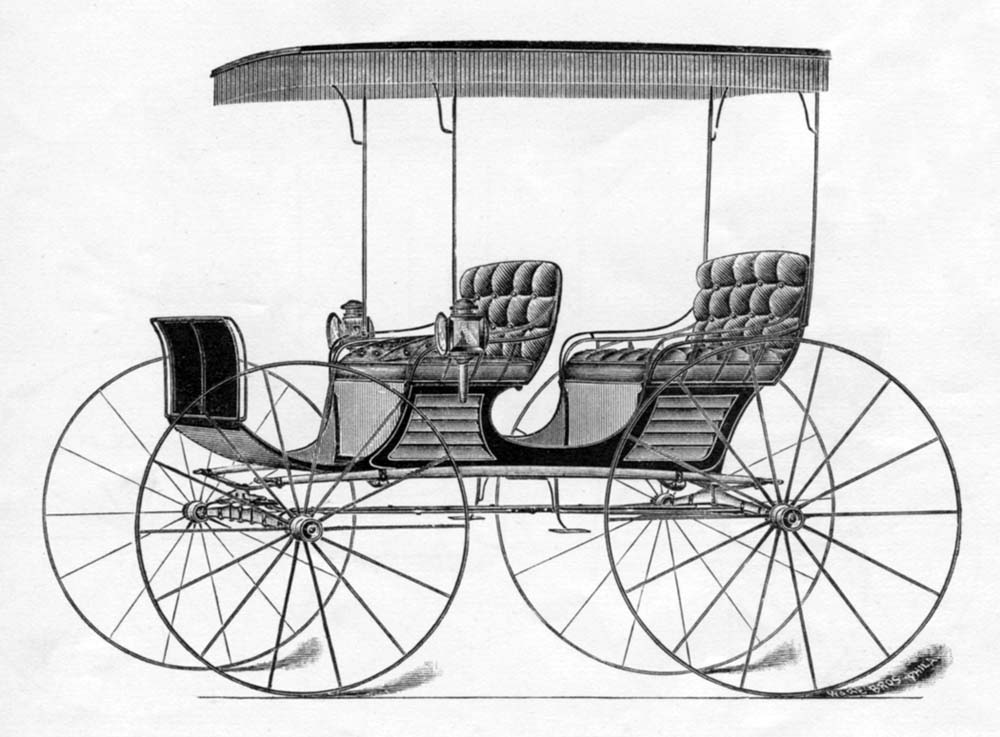
I know this is only just the beginning of August, but we’re already working on some new CAA- and carriage-related gift items for this year’s CAA Holiday Catalog!

One of the new items (which I’ll fill you in on, once we have the proofs back) will feature these two — and three other — horse-drawn vehicles.

.

A surrey …

.

… and a hunting trap …

.

I missed posting anything here yesterday … we were in the car most of the day, driving to visit my in-laws. And to finally meet our (now-six-month-old) niece and nephew.
.

.

.

I ran out of time yesterday to prepare a blog post. And my to-do list is about a mile long.

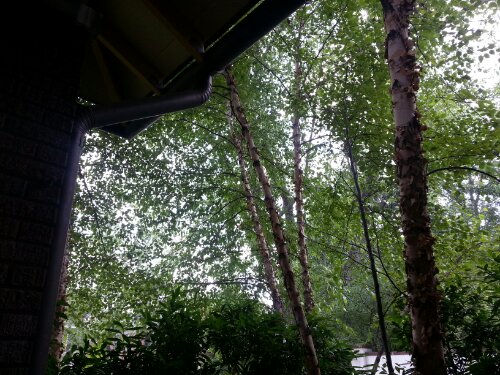
But it’s Saturday afternoon, and I’m stealing some time to sit with a book in one of my favorite summer spots: the sofa in the shady corner of our front porch. This is my view:
.

image

.
I hope you’re having just as lovely a Saturday…

As we sloooowly make our way into spring (even though it’s already May!), we offer this list of suggestions for inspecting a modern horse-drawn carriage before heading into the driving season. This information was provided by one of the CAA’s directors.

1. Wash the carriage completely and thoroughly, but do not use high-pressure water on the hubs.

2. Look for any distortion of the body, or parts being out of square. Do this with a critical eye (pretend you’re looking at the carriage to buy it).

3. Inspect all snap shackles, shaft loops, pole straps, etc. for wear.

4. Check for loose bolts or parts that may be bent or worn, especially singletree mounts, etc.

5. Tighten every bolt on the carriage.

6. Look over all welds, etc. for signs of cracks.

7. Lift each wheel off the ground in turn and make sure they all spin freely.

8. Under normal driving conditions, repack the bearings every three years; every two years under heavy use; and every year if the wheels are submerged in water. Repack these with regular grease, NOT wheel-bearing grease, which is a high-temperature grease and is not appropriate for the low temperatures of carriage wheels.

9. At the same time, check the wheels to see if any are bent or wobbly.

10. On four-wheeled vehicles, make sure that the fifth-wheel system is tight and lubricated (open-chain spray is a good lubricant, but WD-40 is not). Dismantle and clean up this area every six or seven years and, if practical, change the king bolt or its equivalent then as well. Do not reuse any lock nuts.

11. Look at the wheels’ alignment. They should have a little toe-in and a little positive caster when at rest, which will result in a straight-running wheel when underway.

12. Remove the shaft and singletree pivot bolts and inspect these areas. Replace them if they show any wear. On two-wheeled vehicles, check the shafts for signs of cracking or fatigue.

13. On the brake system, check the master cylinder for fluid and top off if necessary. If the fluid levels were low, apply the brakes as hard as you can and recheck the fluid levels. If, after doing this several times, the fluid level is still low, check the brake system for leaks. Make sure you use the correct brake fluid.

14. Inspect the brake discs for wear and clean them with a disc-brake cleaner. Inspect the brake pads, removing the callipers if necessary.

15. Sand off any rust or corrosion and then touch up these areas with paint. Flaking paint can be a sign of a bent or cracked part. Most commercial (not automotive) paint suppliers can match paint to a sample, such as a singletree.

16. Wax the carriage with a good wax.

17. Oil all moving parts, including the brake linkage, seat slides, singletrees, snaps, etc.

18. Remember to conduct this safety inspection each year, ideally in the winter or early spring, which will give you plenty of time to make any necessary repairs before you’ll be wanting to drive the carriage again.

« Previous PageNext Page »