On Friday morning, I had an email from Jill, who said that Thursday was “set up day, and we were all thrilled to see many wonderful sleighs and carriages arriving for the Carriage Showcase (more than thirty!), plus bells, and sleigh robes, and photos … arriving … and arriving … and arriving!”

.

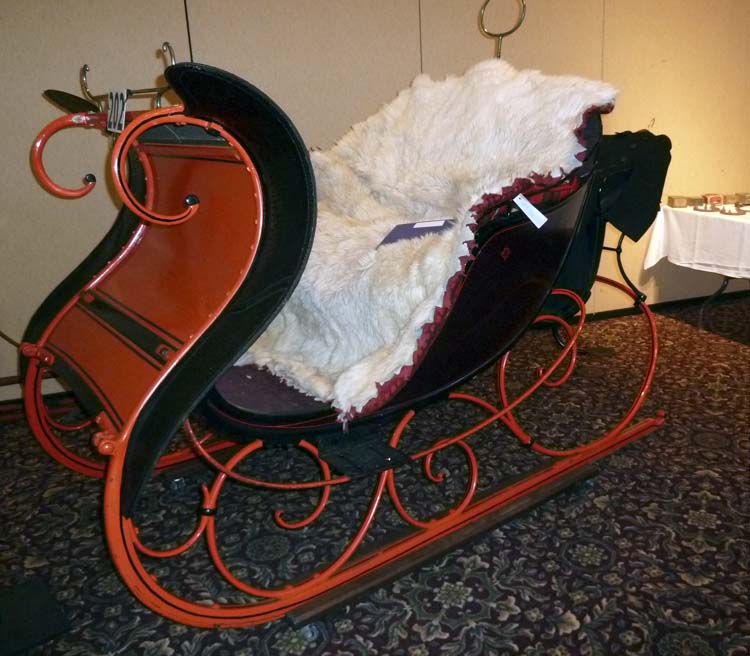
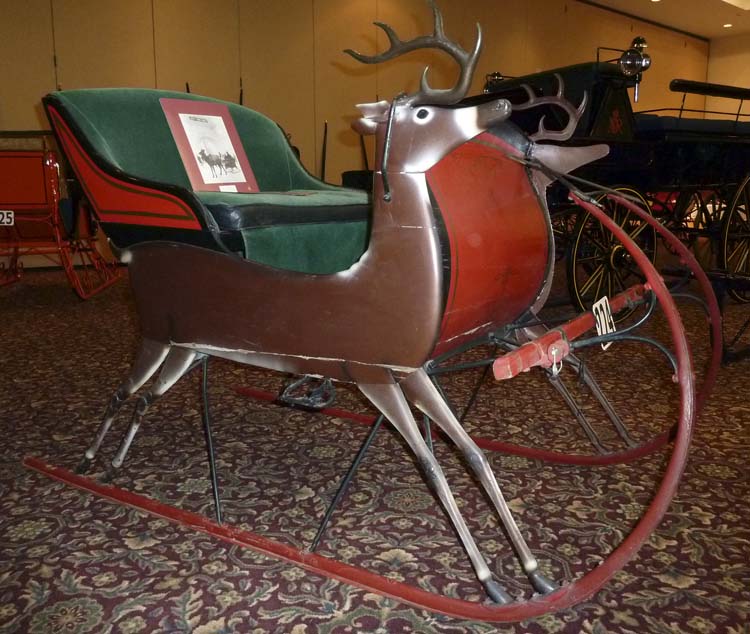
a whimsical "deer sleigh" in the Carriage / Sleigh Showcase (photo by Gloria Burgess)

.

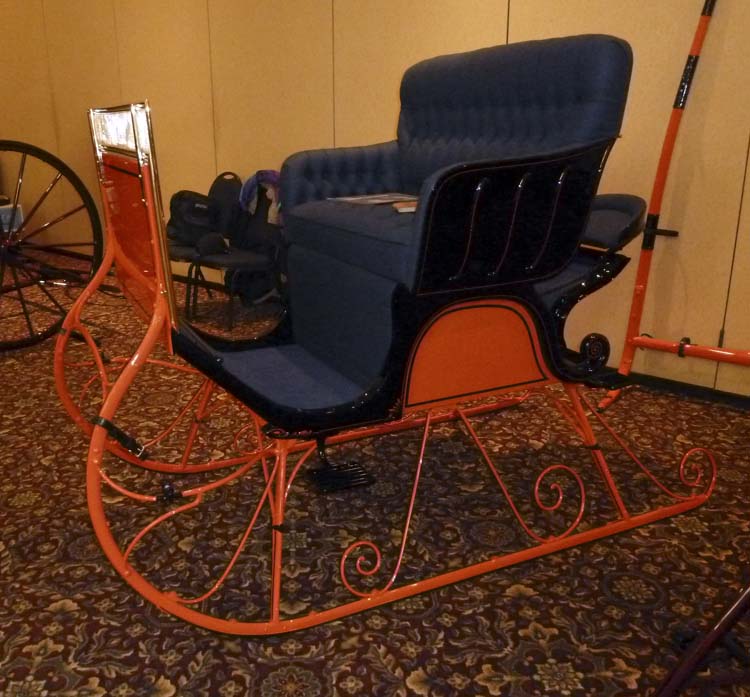
a Cutter in the Carriage / Sleigh Showcase (photo by Gloria Burgess)

.

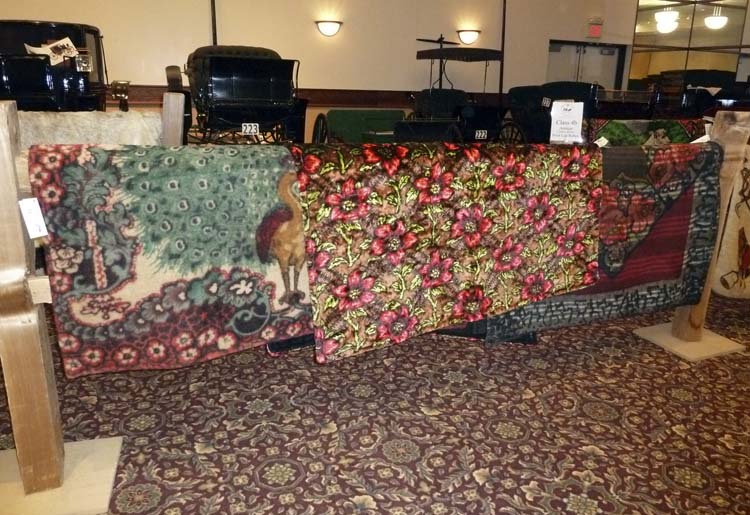
lap robes on display in this year's special Showcase categories for sleigh bells, lap robes, and photography (photo by Gloria Burgess)

.

an unusual Cutter on display (but not entered in the Showcase) with an interesting ... and tiny ... groom's seat (photo by Gloria Burgess)

Today is the first official, full day of actitivties at our 2011 CAA Winter Conference in St. Paul, Minnesota.

Which means that yesterday was the day some folks took advantage of the “Early Bird Special”: a chance to meet up with fellow CAA members and enjoy lunch and an afternoon of touring around downtown St. Paul.

Gloria Burgess sent the following photos from the day:

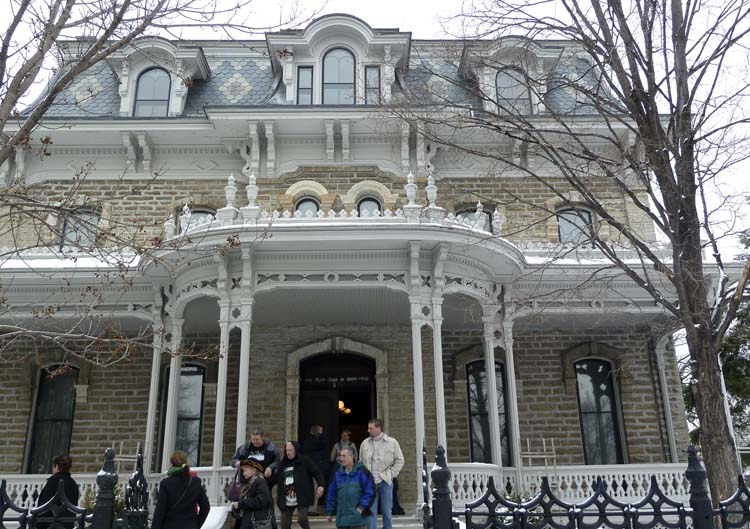
"CAA members exit the Alexander Ramsey House at the end of the 'Early Bird Special' tour. The elegant Victorian home was built in 1872 by Mr. Ramsey, who served as mayor of St. Paul, governor, U.S. senator, and secretary of war under President Hayes. The Minn. Historical Society received the property from the family, complete with more than 14,000 original furnishings." (photo by Gloria Burgess)

.

Alexander Ramsey's original carriage house (photo by Gloria Burgess)

.

"Thursday (Jan. 27) was the first day of the 125th St. Paul Winter Carnival. The 300-pound ice blocks arrived in cardboard boxes. Each of 16 teams has 20 blocks to carve before the end of the next 48 hours (so: 9 a.m. Saturday). Let the chainsaw buzz begin! Judging is based on the complete use of all 20 blocks, creativity, and artistic presentation. The entire sculpture must be no higher than 12 feet or wider than 10 feet. The single-block contest (or as some muliple-block team members call it ... the "quick buzz" contest) occurs from start to finish during the morning hours on Saturday. The Winter Carnival lasts for 10 days." (photo by Gloria Burgess)

.

... and the carving continued into the night (photo by Gloria Burgess)

.

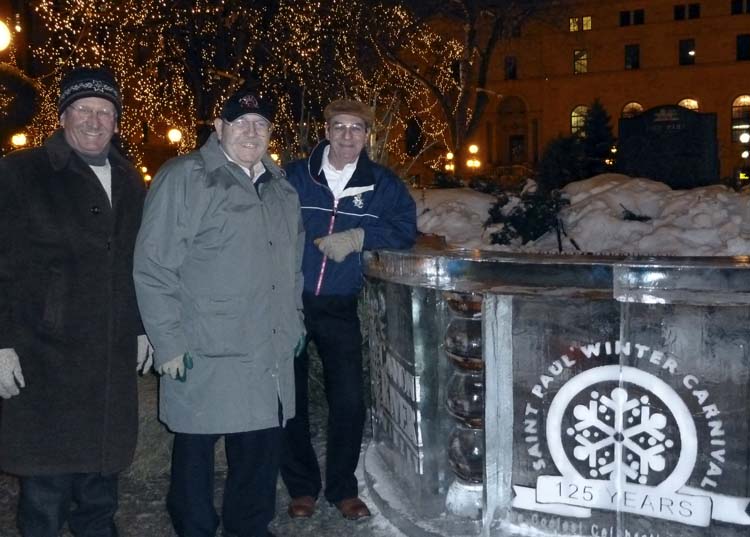
"CAA directors (left to right) Craig Paulsen, Jerry Trapani, and Tom Burgess await the opening of the ice bar. Where is everyone else??" (photo by Gloria Burgess)

.

a carved-ice snowflake (photo by Gloria Burgess)

.

celebrating 125 years of the St. Paul Winter Carnival ... in ice! (photo by Gloria Burgess)

One of my Facebook friends posted a link to this first video, and it led me to another … and another … and, well, you get the idea.

These first two videos are from an exhibit at the Aurora Regional Fire Museum in Aurora, Illinois.

.


.

.

This next one is silent but no less spectacular. It begins with fire equipment (on runners) racing down a snowy Montreal street in 1901, and it concludes with everyday vehicles driving down the same street.

.

.

And, finally, I may have posted this one before. But, honestly, who ever gets tired of seeing these wonderful old fire horses??

.

Several years ago, A.J. and I were in Salzburg, Austria, exploring the fabulous old town and the imposing castle overlooking the city. We both love the food there, and so when we found a tiny little cookbook (perfect for slipping into a suitcase pocket) in the castle gift shop, we bought it. Austrian Specialties features just that: recipes for delicious Austrian food, plus beautiful photos (although the ones here are mine) and a few tidbits of information about Austria and its history.

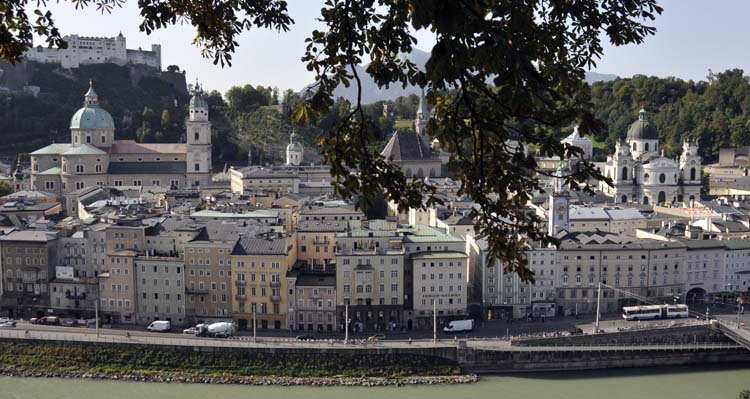
a portion of the Salzburg skyline, from the mountain across the river; you can see the castle in the upper left corner

.

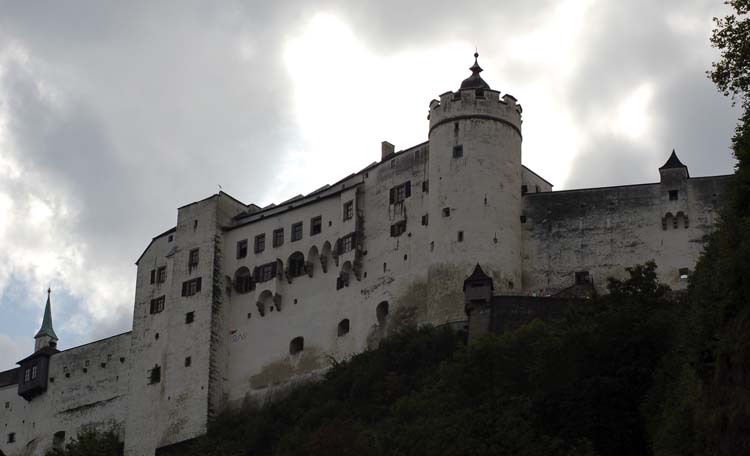
looking up at the castle from the base of the mountain

.

Just this past weekend, A.J. was looking through the little cookbook and found a recipe for “Fiaker Goulash,” which is a dish named after the country’s carriage-for-hire drivers. I’m not exactly clear on why this type of goulash would have been named after carriage drivers, but no matter.

The cookbook tells us that the country’s “first official Hackney driver (Fiaker) was licensed in Vienna in 1653.”

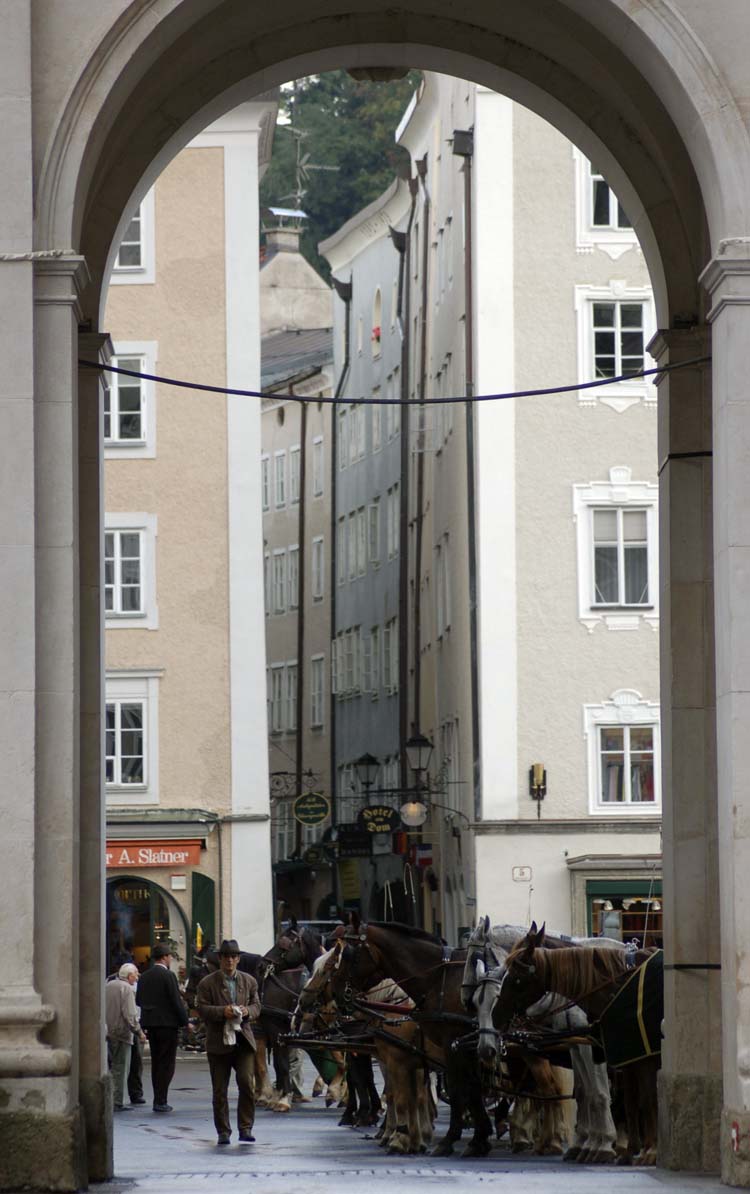
traditional carriages lined up in a public square, awaiting fares

.

Without further ado: the recipe for Fiaker Goulash (from Austrian Specialties):

2 lbs. beef (stew meat)

1 & 1/2 lbs. onions, finely chopped

2 TB oil

2 TB sweet paprika

1 TB vinegar

3 cups beef stock

1 garlic clove, crushed

pinch of marjoram

1/2 tsp ground caraway

1 TB tomato paste

Heat oil in a large skillet and saute onions until golden brown. Sprinkle the onions with the paprika; add the vinegar and several tablespoons of the beef stock.

Add the stew meat and the marjoram and carraway. Reduce the heat, cover, and simmer for about one and a half hours, stirring frequently and adding stock as needed.

When the meat is tender, add the remaining stock, the tomato paste, and the garlic. Simmer for 10 more minutes, and season to taste with salt and pepper.

The traditional garnish for each bowl of goulash is a fried egg and a gherkin pickle.
… What do you think of it?

You’ve noticed by now, I would imagine, that I love history. I’ve been having a grand time, going through a wide variety of sources for all the old videos, photos, and stories that I’ve been sharing with you here on the blog for the past several weeks.

But are you enjoying reading / seeing / watching them all as much as I’m enjoying bringing them to you?

Let me know in the comments whether you’ve had enough, or whether you’d like to see / read more.

Obviously, I’m hoping you’ll say, “We want more!”  🙂   … there are a lot of stories and images left to explore and share!