This past weekend, A.J. and I met my parents in Asheville, N.C., for a day and a half of good company & conversation, good food, and some exploring of that city’s beautiful downtown.

Early on Sunday morning, while walking to breakfast through the center of downtown, we came across this pig in Pack Square:

.

.

The pig and the path she’s on, covered in a variety of footprints, commemorate the early roads and stagecoach routes that went right through the center of what is now downtown Asheville.

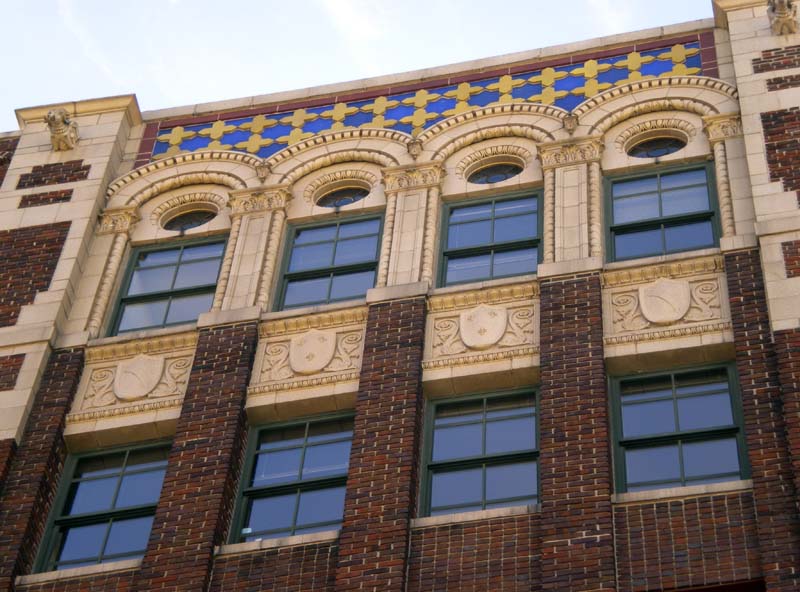
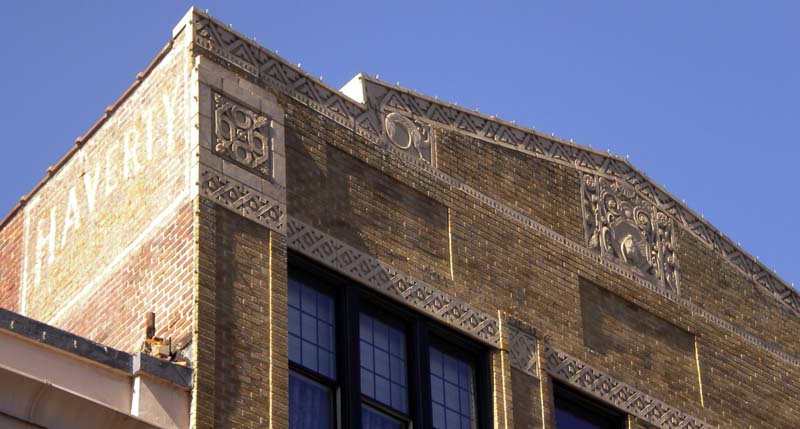
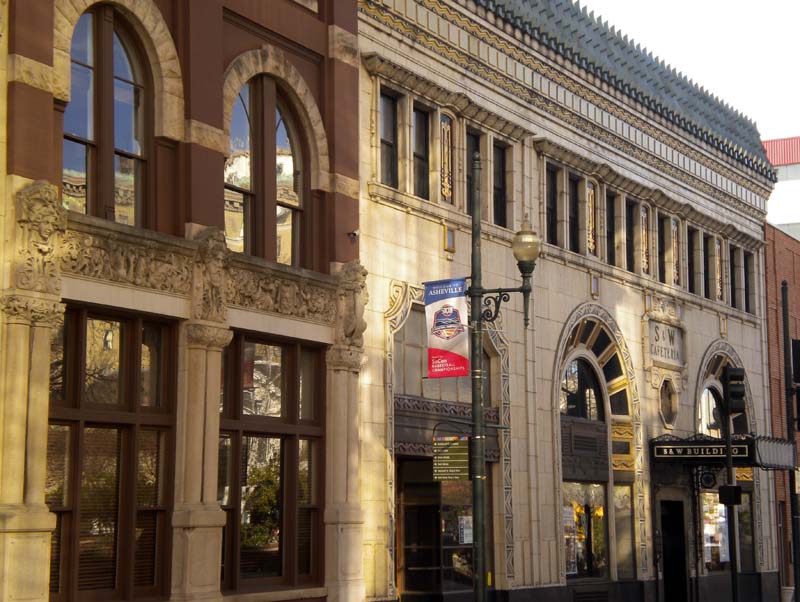
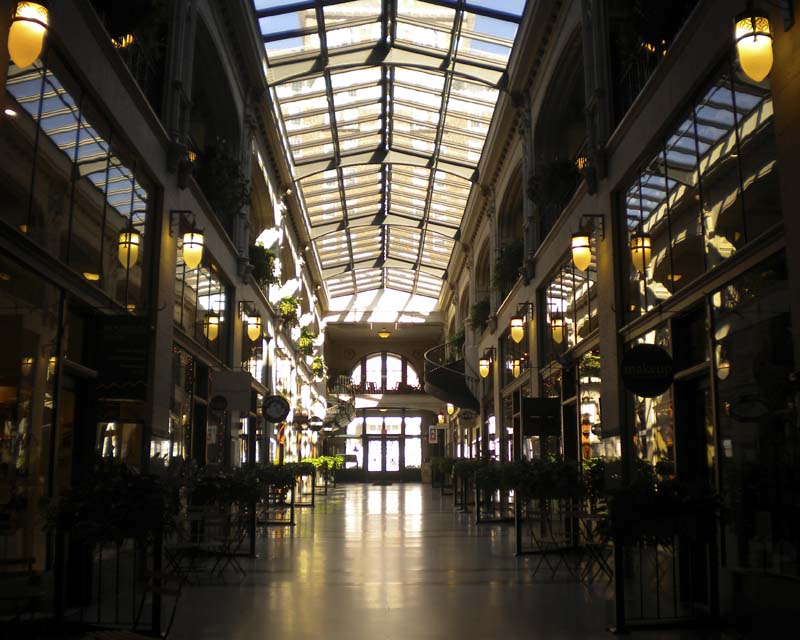
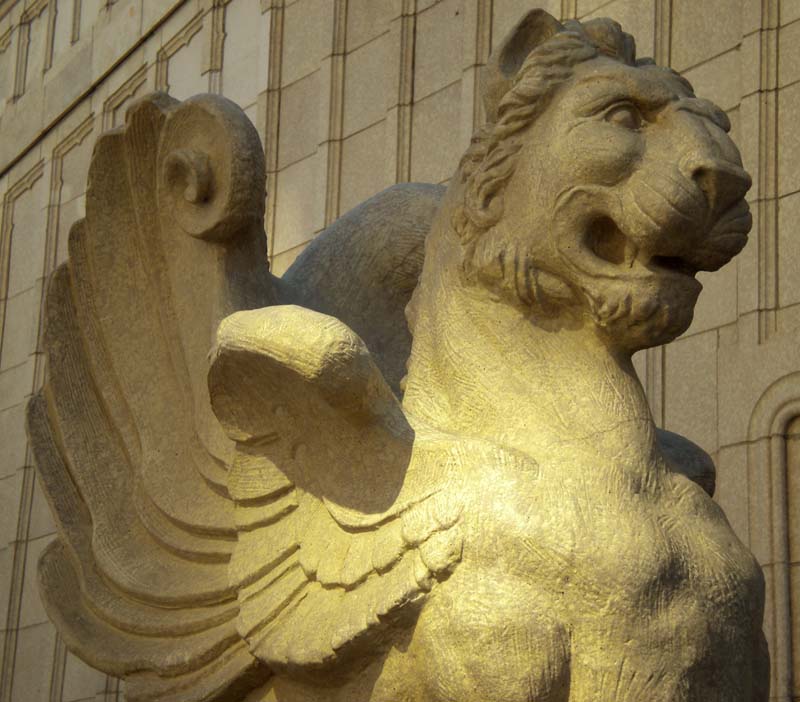
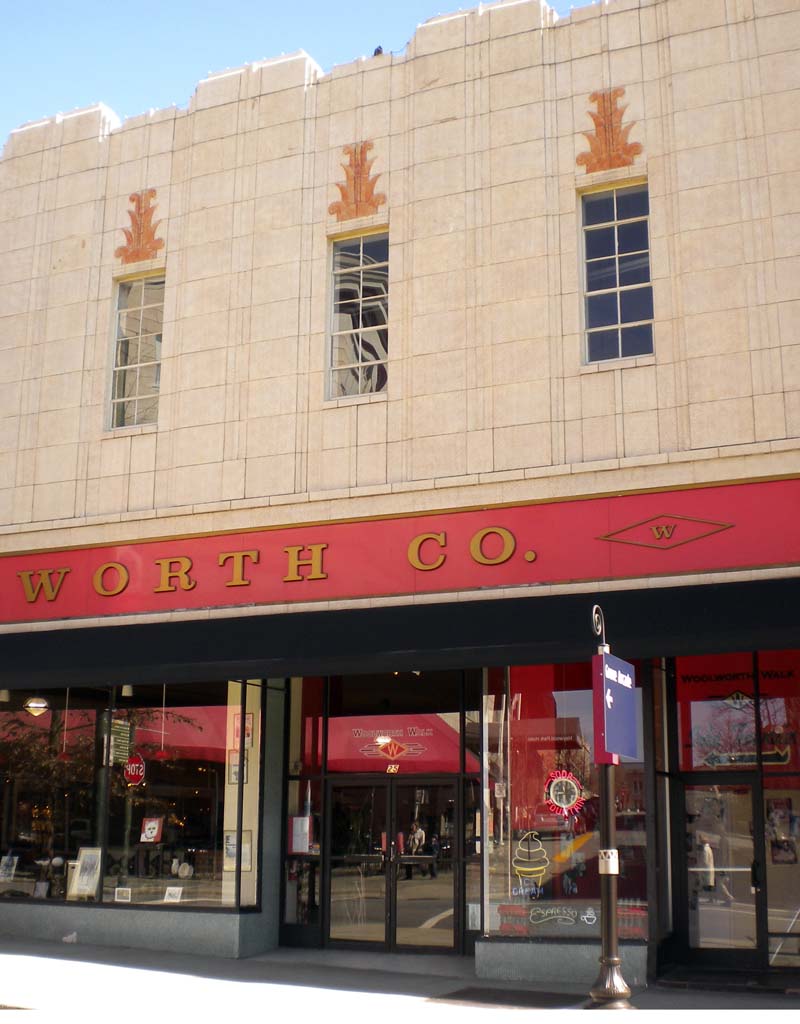
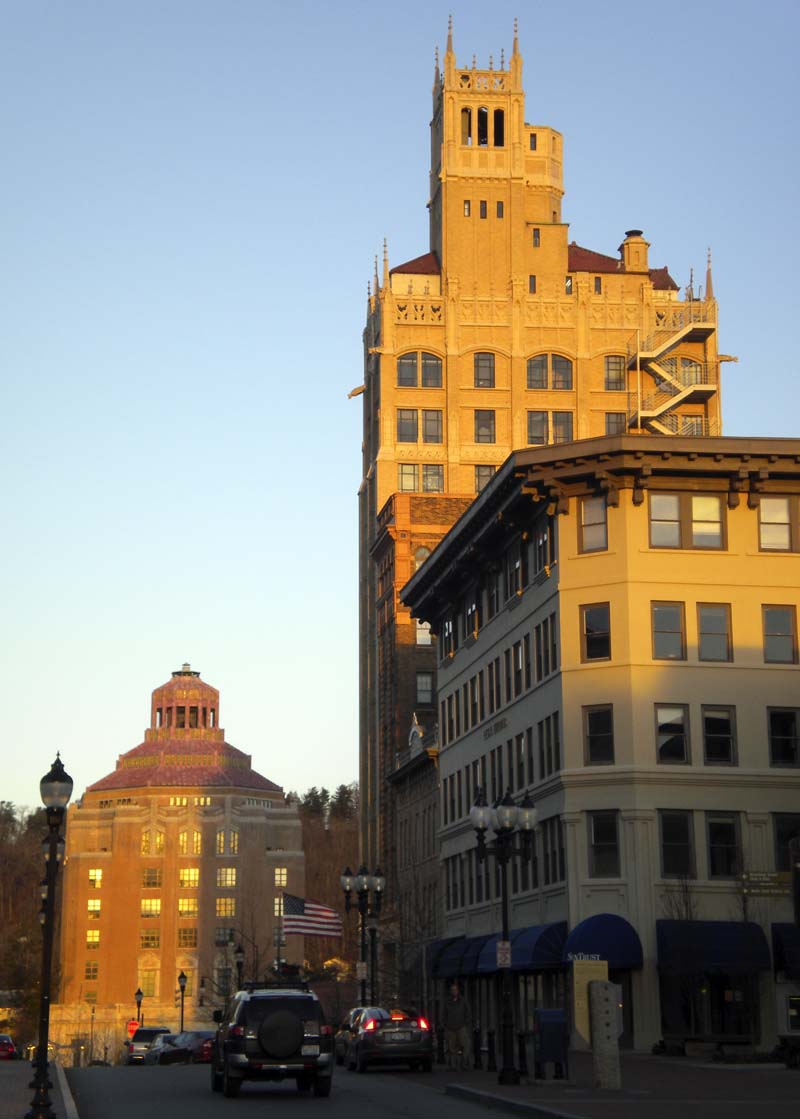
After a delicious breakfast in one of the city’s vast multitude of excellent restaurants, we wandered around downtown and enjoyed seeing the lovely old architecture …

.
.
.

.
.

.

.
.
.
.
.

And to bring this post back around to horse-drawn vehicles and yet keep it in artsy Asheville, here’s a “gypsy wagon” that I spotted on the sidewalk outside a shop:

.

How about these nine Percherons? They’re doing some plowing at the Northern Minnesota Draft Horse Association’s Fall Field Day. I think this is from 2010, but I’m not certain.

.

.

If the embedded video won’t work on your computer, click here to go directly to it on YouTube.

Here’s a short video clip of a pair (team) of mules providing the horsepower for raking hay in Tennessee last spring …

.

.

If the embedded video won’t work, click here to go directly to YouTube.

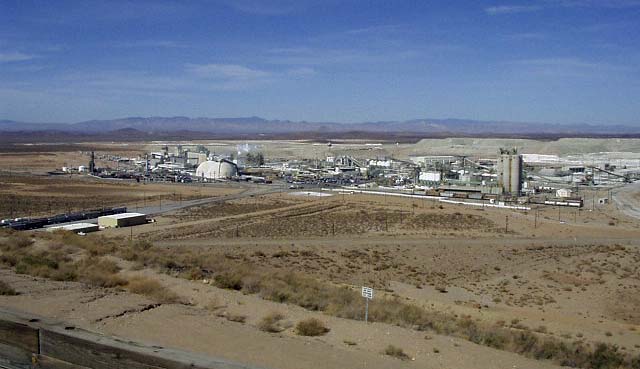
After reading the post about Thom Mezick and Linda Freeman’s visit to Death Valley, Randy Solle sent some photos from the borax mine in Boron, California. Having already seen photos of the old mule-drawn vehicles, let’s take a look at the mine itself, shall we?

.

(photo by Randy Solle)

.

(photo by Randy Solle)

.

(photo by Randy Solle)

.

This modern mine produces more than 12,000 tons of borax each day.

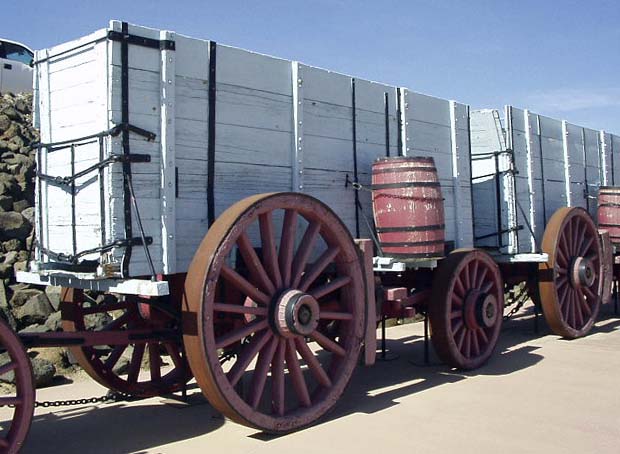
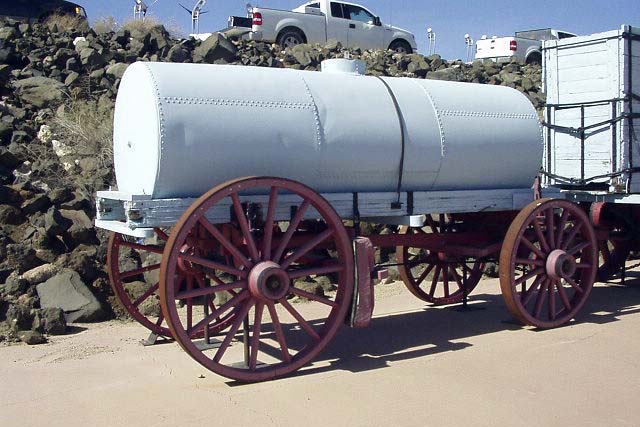
From 1883 to 1888, each twenty-mule team (pulling two loaded wagons and a water tank) took ten days (round trip) to travel from the Death Valley mine to the nearest railroad junction in Mojave. Each team carried about twenty tons of borax per trip, and the teams delivered more than 10,000 tons of borax during their years of operation.

This set of two wagons and water tank are on display at the mine:

.

(photo by Randy Solle)

.

(photo by Randy Solle)

.

(photo by Randy Solle)

.

(photo by Randy Solle)

.

As we’ve all heard by now, a Pekingese named Malachy won Best in Show at this year’s Westminster Kennel Club Dog Show.

Here’s a look at another Pekingese:

John Fullerton sent this photo to Barry Dickinson, who sent it to us. The judge in this photo (at a Detroit horse show in 1935) was Mrs. Gerken, daughter of Francis Ware, who wrote Driving. Can you see the fluffy little Pekingese in the carriage?

.