travel / destinations


Following along from yesterday’s video of a Doma Vaquera performance, let’s go back briefly to southern Spain with our group of CAA travelers. And let’s concentrate today on the horses, because they’re so darned beautiful.

During our CAA trip to Andalusia earlier this year, we toured the Yeguada de la Cartuja. This official stud farm for the Carthusian strain of Spanish horses (the oldest and purest strain) is located near Jerez de la Frontera.

First, we were given a brief history of the Carthusian monks’ breeding program (which began sometime in the fifteenth century) and its evolution into the modern breeding farm we were visiting on that Saturday in April.

Then, we visited the stud farm’s small collection of carriages, two of which you can see here:

.

.

.

Next, we enjoyed a tour of the stables, the hospital, and the rest of the modern facility.

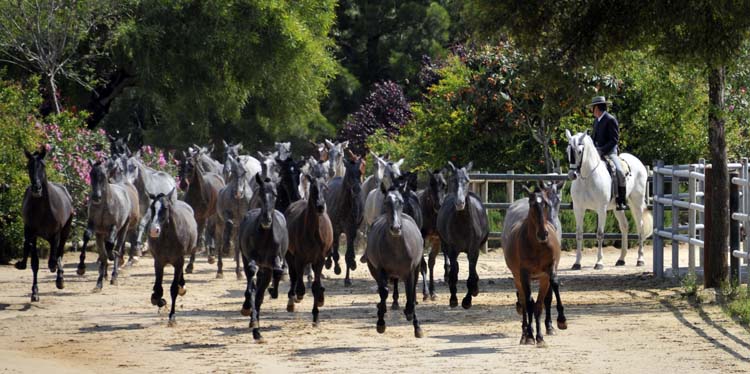
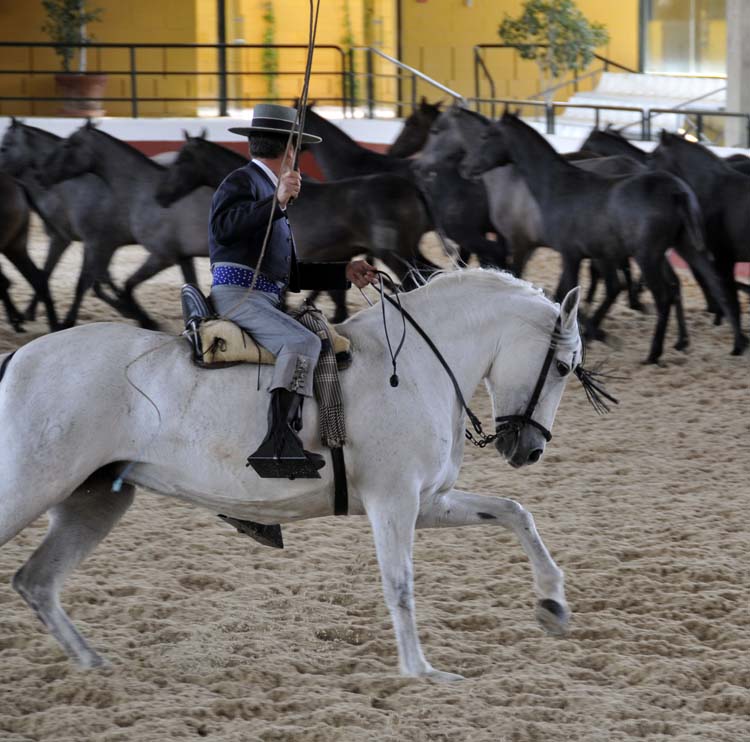
Finally, we attended the Yeguada’s spectacular daily show. It’s held in a covered arena, but one end is open to the outside … all the better for allowing herds of horses to gallop into the arena!

The first in was a large group of yearlings:

.
.
.

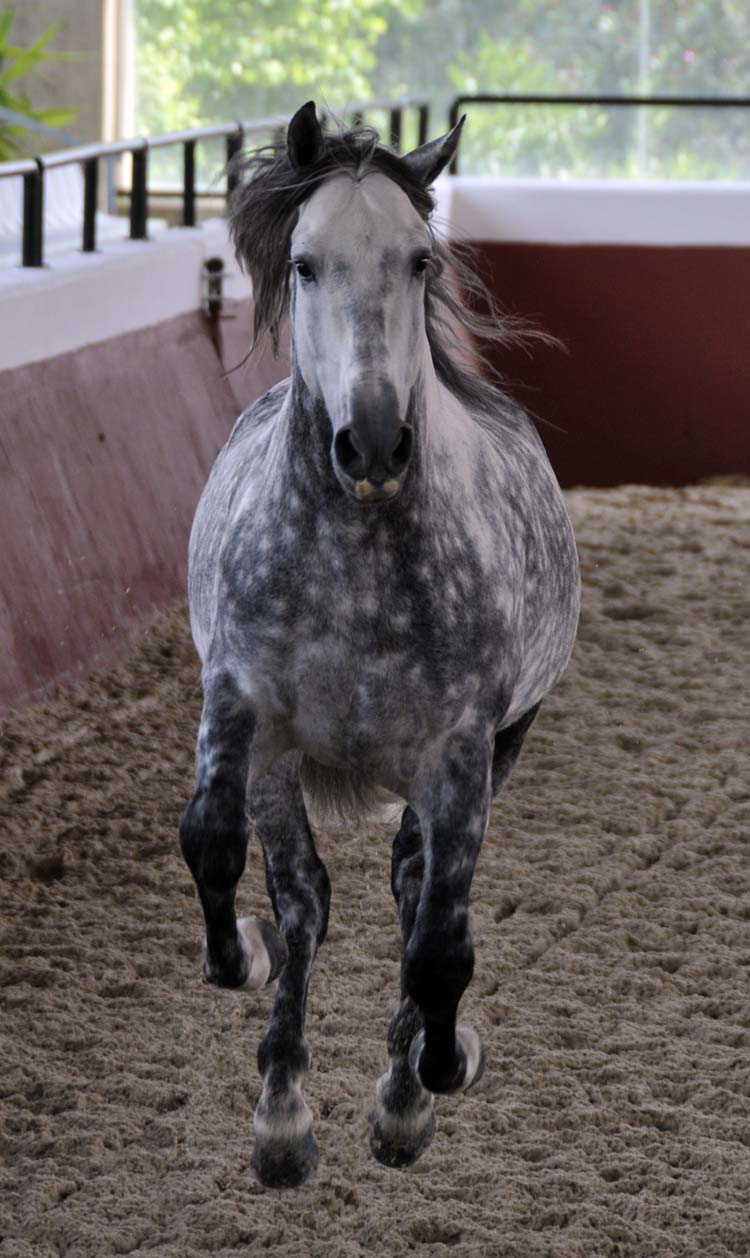
Then, after they left, a gorgeous young stallion was given the entire arena to show off:

.
.

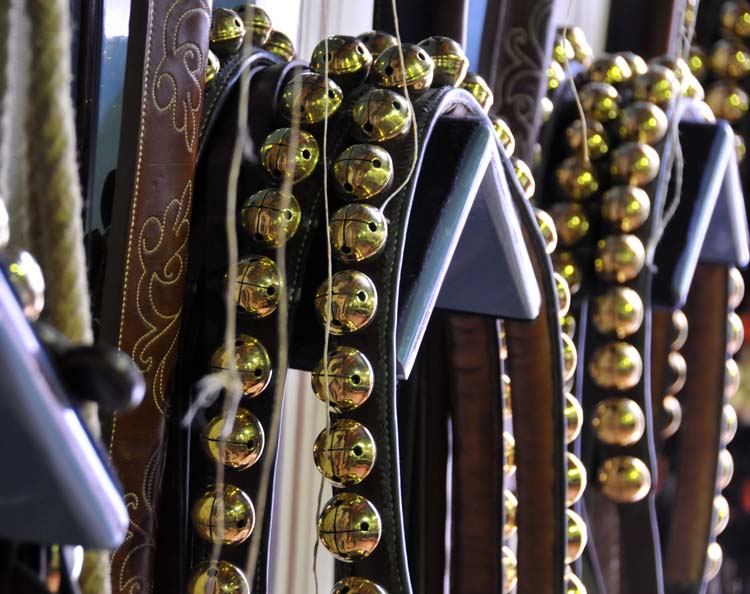
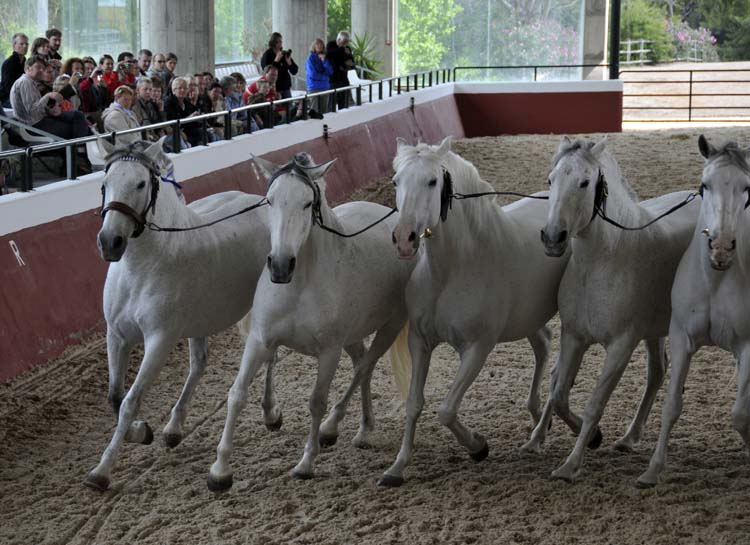
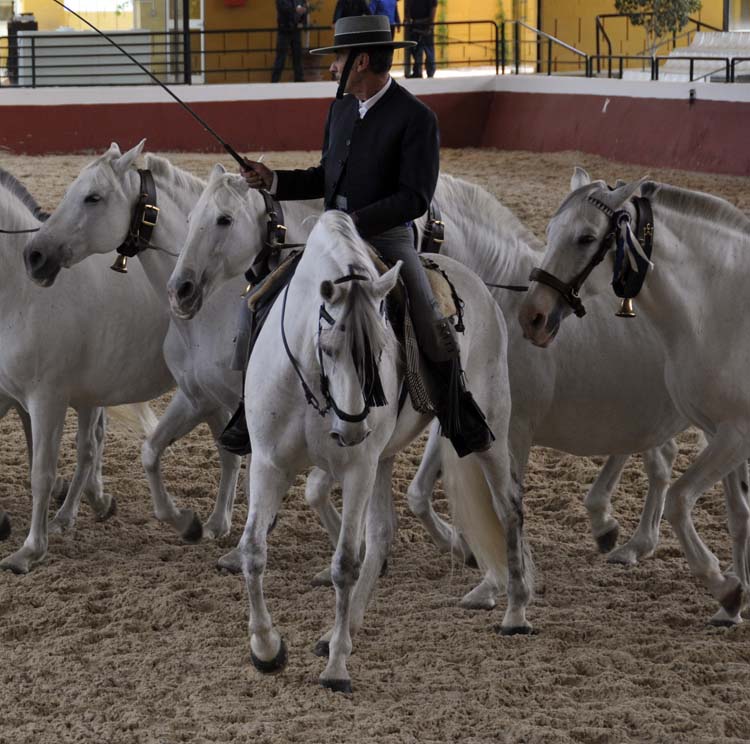
And then came a lovely group of mares. Each one wears a neck collar, with a bell attached. And the neck collars are all attached to each other, creating a row of mares. The mares’ “handler” is not physically connected to them in any way but controls the entire row with his voice and whip (which is, of cours, snapped in the air, not at or on the mares).

.

.
.
.

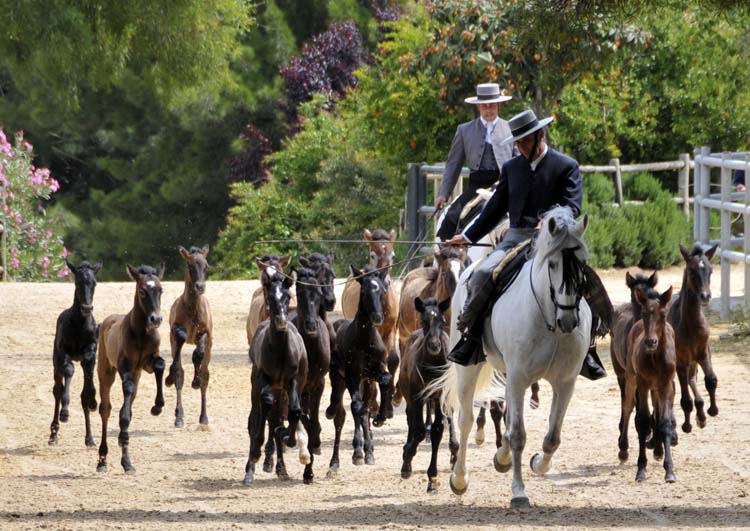
A herd of foals!!

.
.

As the show was wrapping up, I stepped outside the arena for a minute and witnessed two of the most iconic Spanish-horse scenes of the day:

.

.

I think it’s almost time to head back to Spain, here on the blog, and share some more photos and stories from our CAA group’s trip there earlier this year.

To get us all in the mood, how about some Spanish guitar music and “Doma Vaquera”?

Doma Vaquera is a style of Spanish riding (similar to what we in the U.S. might know as “cowboy dressage”) that evolved from working with cattle and bulls on the ranches of southern Spain.

This show appears to have taken place in Germany, judging from the Warsteiner beer ads along the side of the arena. And, judging by the German-language narration at the beginning, it was broadcast on German TV.

.

In the office last week, I was pretty well consumed with laying out this year’s edition of the CAA’s annual journal, World on Wheels.

One of the articles is about the popularity of coaching among members of New York “society” during the Gilded Age. Coaching at the time was not just a sport for the idle rich; it was quite a “spectator” sport as well, with thousands of people lining the streets to watch the New York Coaching Club’s parades. According to contemporary newspaper reports, the onlookers gathered to admire the vehicles, the horses, and the fancy outfits on display.

It’s difficult to imagine that happening now, I thought: so many people avidly watching that sort of parade … not horses and/or horse-drawn carriages IN a parade, but a parade OF horse-drawn carriages.

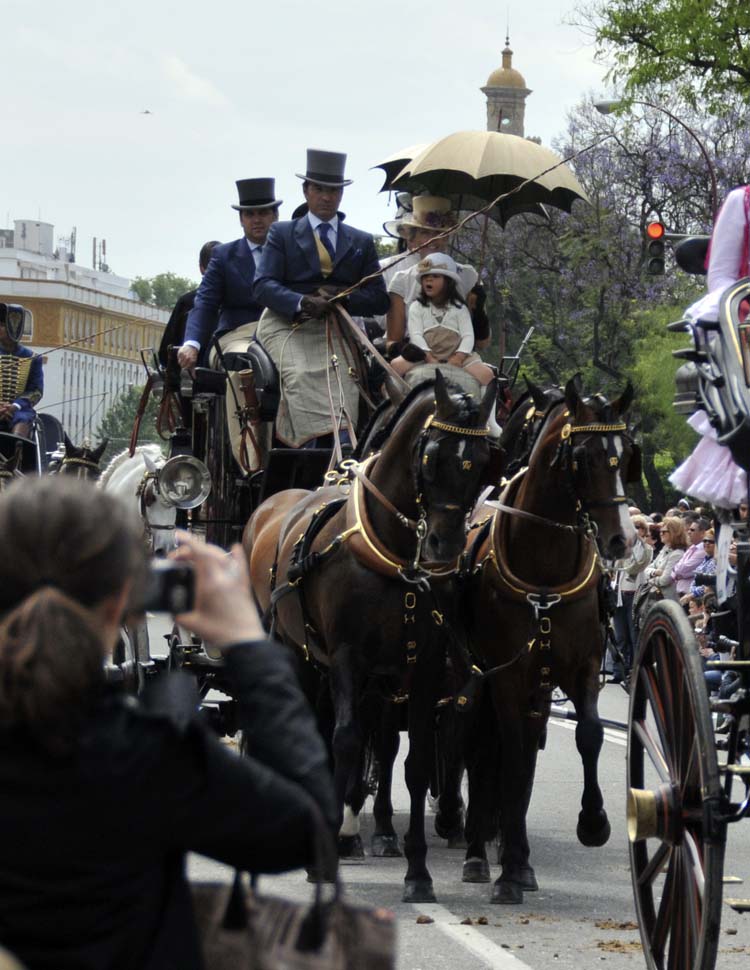
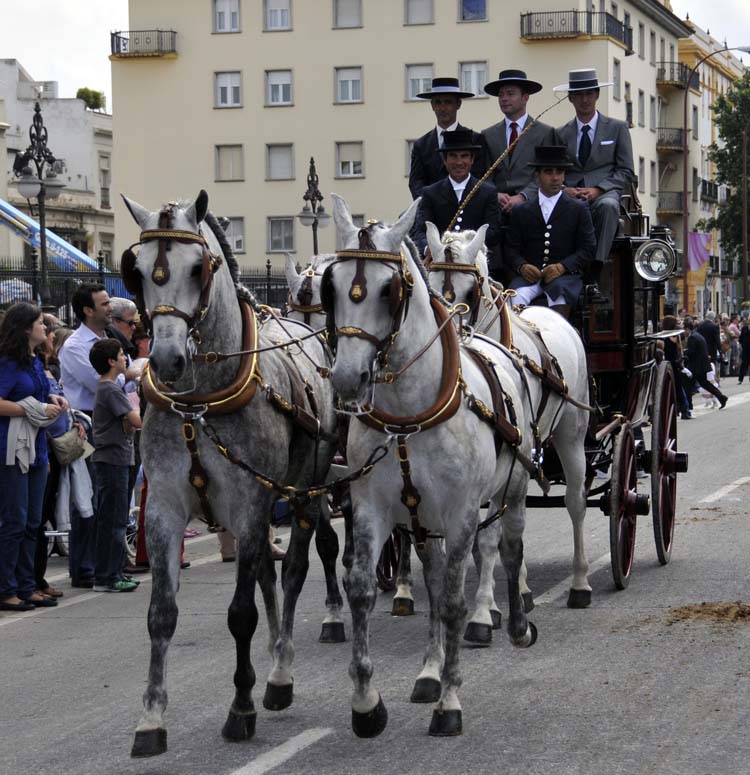
But then I remembered that it’s really not such a strange thought in this day and age after all. When our CAA group was in Sevilla last month, the annual carriage exhibition in the bullring didn’t take place as planned. Instead, it morphed into a carriage parade, with thousands of people crowding the streets and sidewalks to see nearly a hundred horse-drawn carriages and coaches. In a way, it was like stepping back in time.

.

.

.

.

.

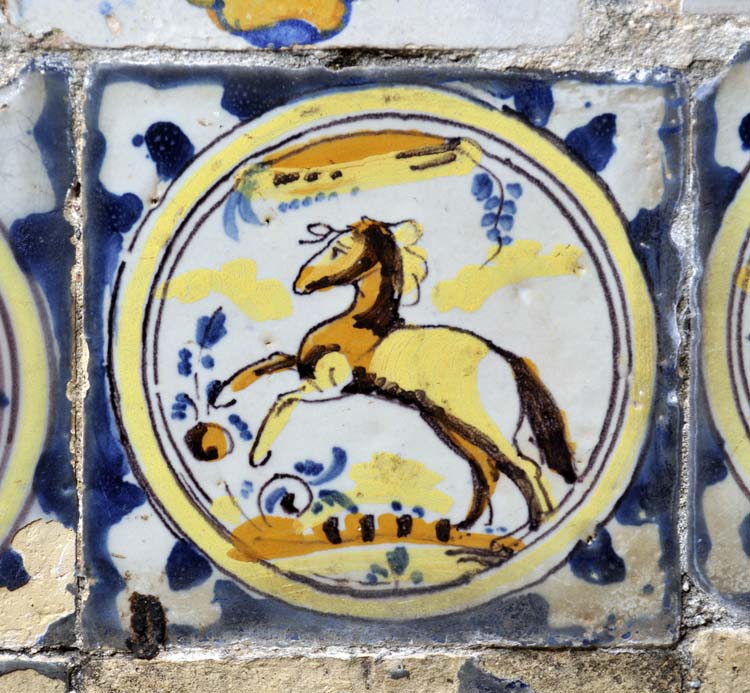
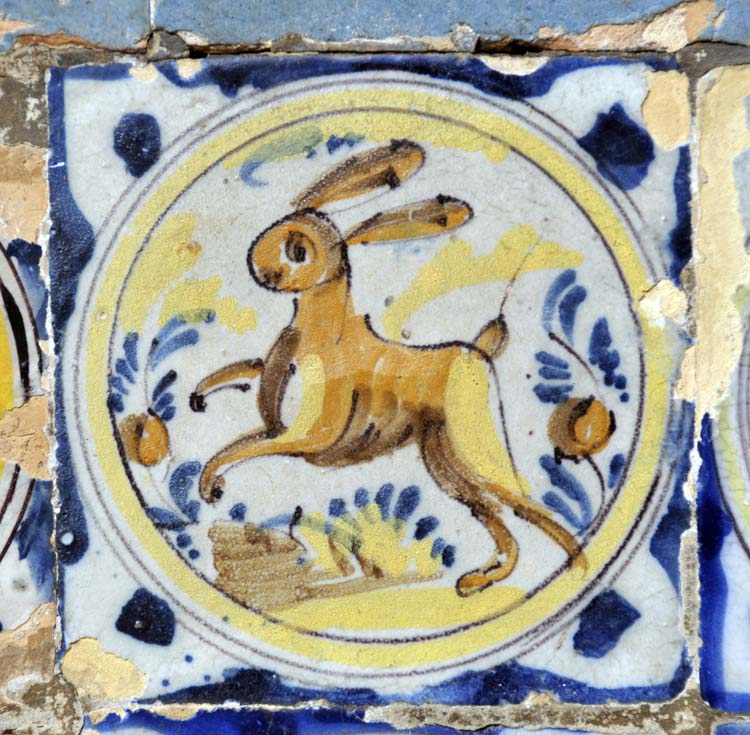
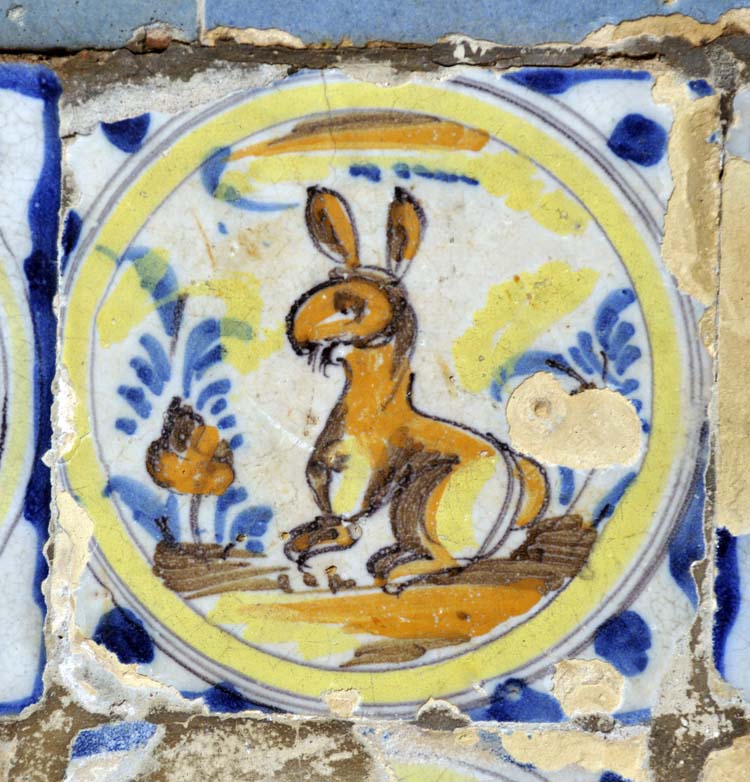
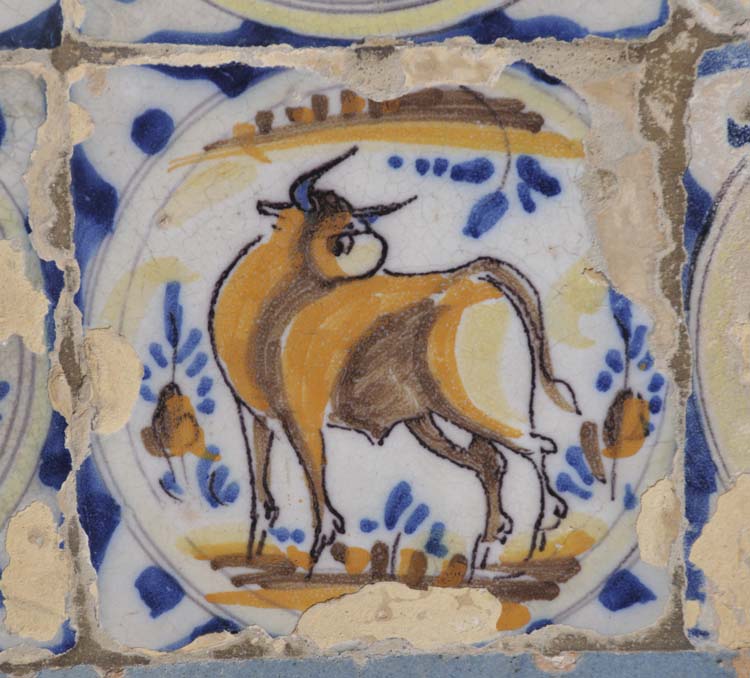
Sevilla is rightly famous (and has been for a very, very long time) for the tilework made in the city.

These — a horse, two rabbits, and a bull — are some very old examples I saw in one of the many gardens at Sevilla’s royal palace, the Real Alcázar:

.

.

.

.

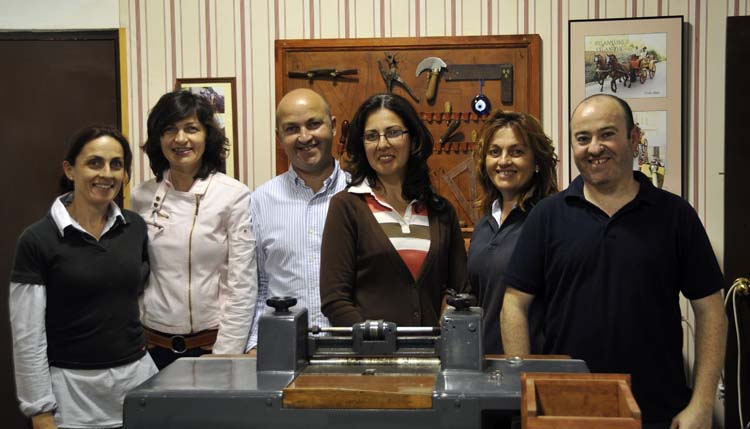
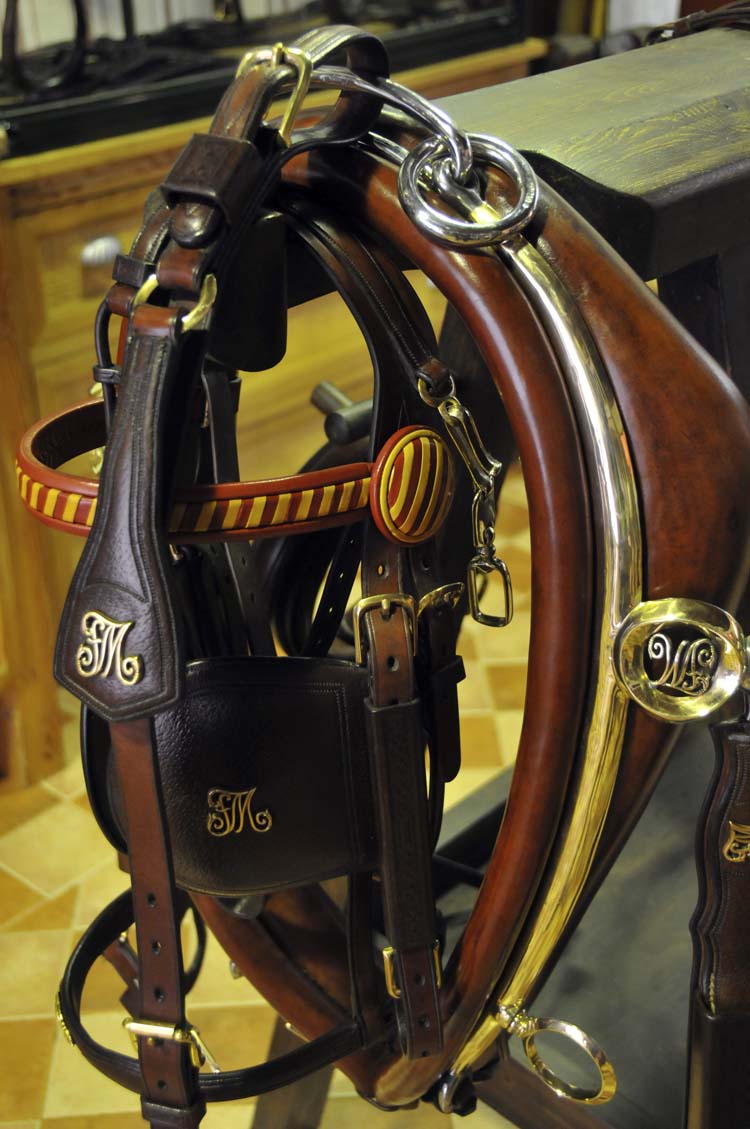
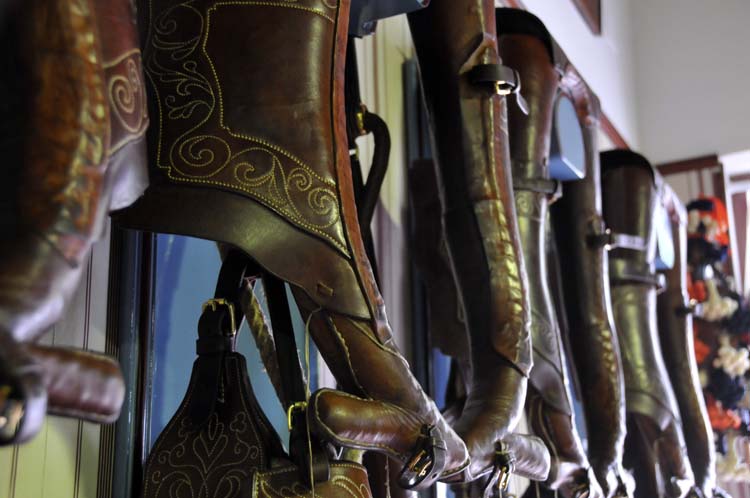
After our visit to Luis Alba’s carriage-restoration workshop, we boarded the bus and drove the short distance into Lebrija to visit the showroom and workshop of Francisco Dorantes, who — with the help of several fellow craftsmen — makes beautiful handmade harness.

.

the staff and craftspeople of Dorantes Saddlery; Francisco is third from the left, and his wife is to his left

.

a beautiful new set of russet harness by Dorantes Saddlery

.

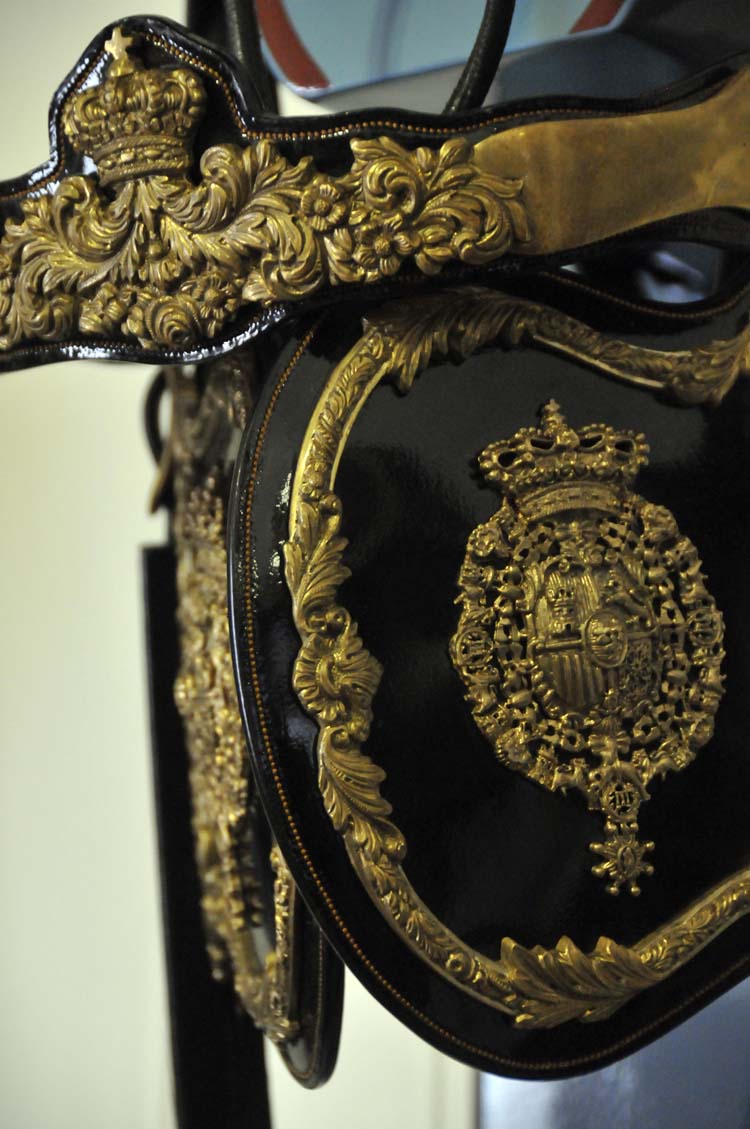
The shop also restores old / antique harness and has done work for the royal family.

.

.

We were allowed to wander through the showrooms and into the extensive library, which also features several old and exquite pieces of harness in clear cases. Then, we were given a tour of the workshop areas.

.

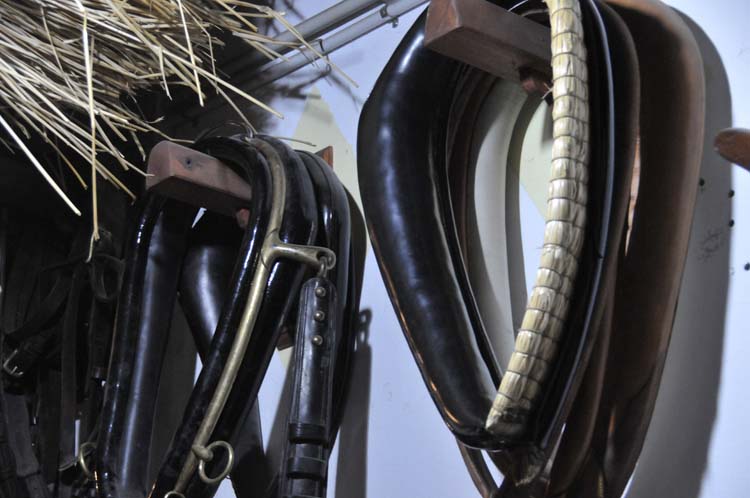
collars in various stages of construction hang on the wall below the straw "loft"

.

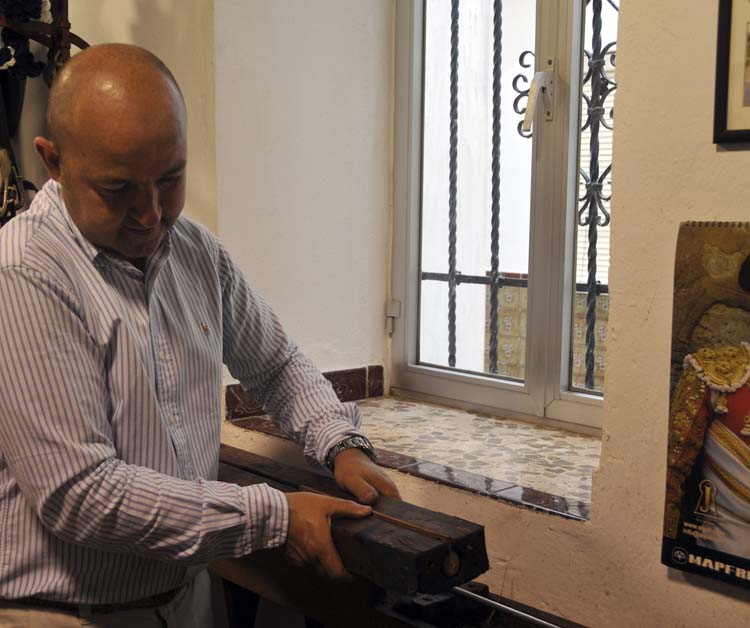
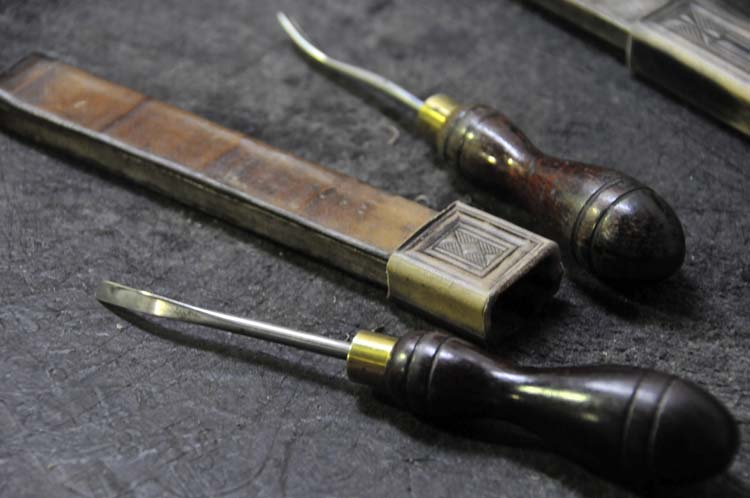
Francisco demonstrates the use of one of his antique tools for making part of a collar

.

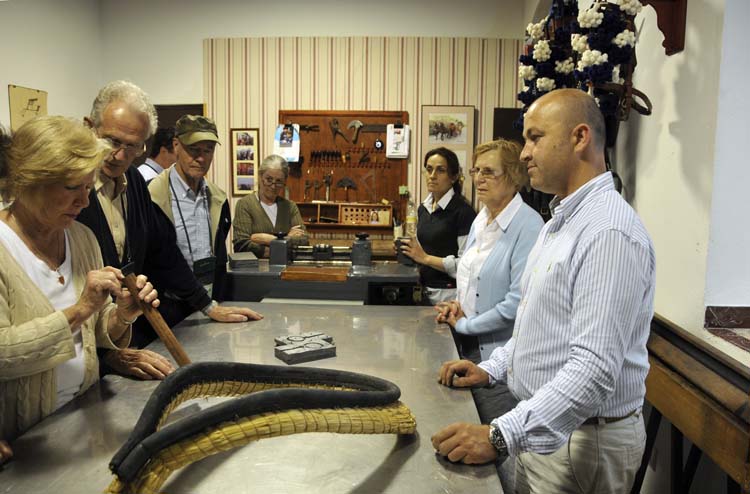
... and explains to the group how the tool (above) works and which piece of the collar it makes (I admit that I don't know the specific name, but it's the section of the collar wrapped in leather in this photo; the tool compacts the straw so tightly into that space and shape that it's as strong as wood)

.

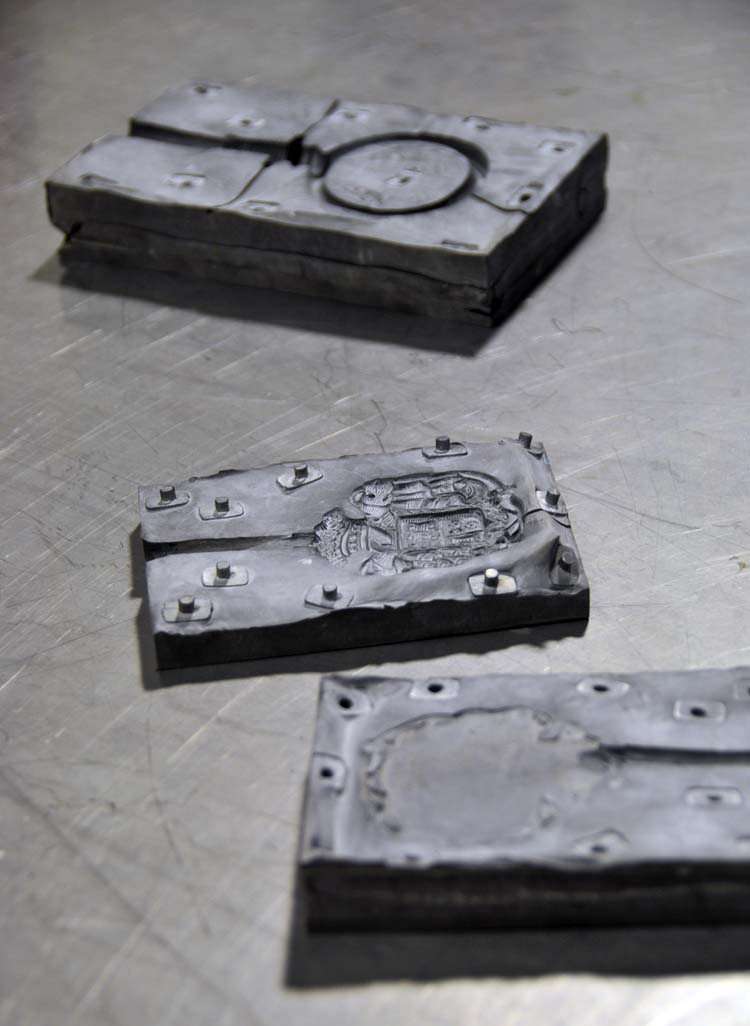
the shop is able to do its own casting of harness hardware; these molds were made from the hardware of a set of harness that was restored here

.

all of the leather embossing is done by hand

.

After our wanderings and tours and questions and answers, we enjoyed pastries and coffee in the main showroom, surrounded by more lovely examples of the harness makers’ art.

.

.

« Previous PageNext Page »