travel / destinations


Yesterday morning featured several fascinating lectures, which I’ve summarized on Twitter (here).

During the morning’s breaks, everyone gathered for snacks and drinks and another stroll through the trade fair.

.
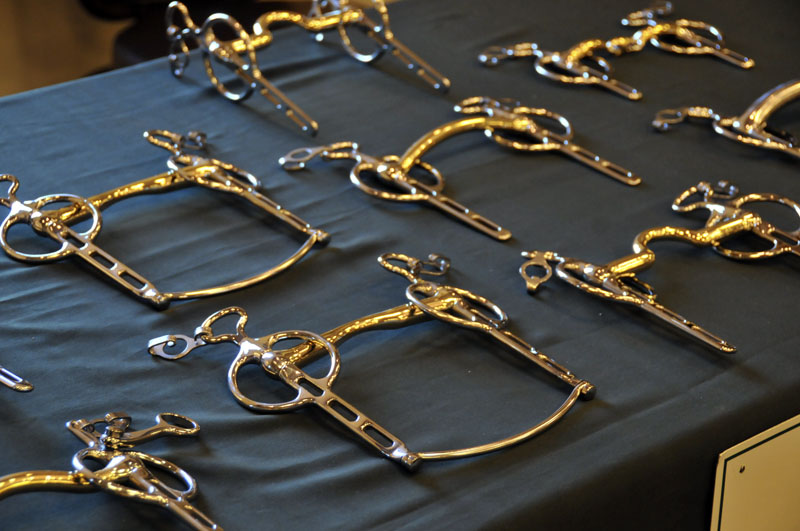
Bowman Leather (Dan and his son Jacob) have a display of their lovely harness, and these handmade bits

.

Louise Ellis makes beautiful jewelry from antique buttons, bridle rosettes, and poker / game pieces ... and braided horsehair (shown here)

.

After the morning’s final lecture, we all had a free afternoon to visit the Colonial Williamsburg stables and the Historic Area and its trade shops.

.
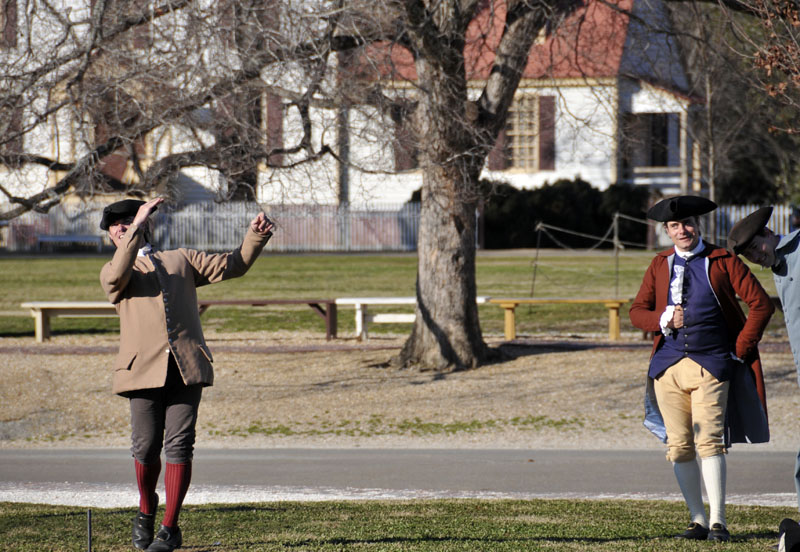
On my walk to the stables, I passed these 18th-c. men playing a game of horseshoes

.

this Landau was built by Colonial Williamsburg in 1960; it was used (driven by Richard Nicoll) for HM The Queen's visit to Williamsburg in 2007

.

this Demi-Landau was probably built in Philadelphia sometime between 1818 and 1840; it can be driven by a coachman or, with the coachman's seat removed, by a postilion

.

... a close-up of the Demi-Landau

.

the Riding Chair was basically just that: a chair on wheels

.

in the harness room, I met this sweetie, who was lying on top of a bucket full of towels

.

detail of a driving bridle in the harness room; I assume these bridles go with the Landau above, as the squirrel on the panels (below) is repeated here on the blinkers

.

the Landau's squirrel

.
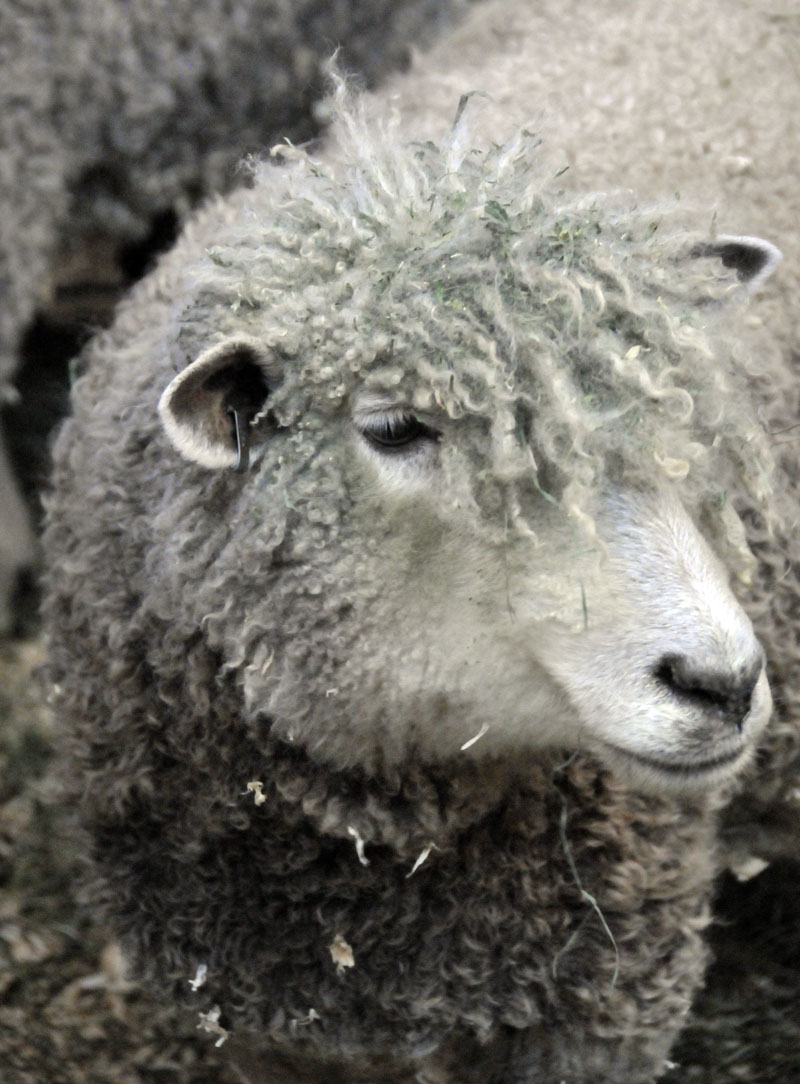
in the aisleway of the stables was a display with information on Colonial Williamsburg's important rare-breeds program, including a live appearance by this, and one other, Leicester Longwool sheep, and several rare breeds of chickens

.

After leaving the stables, I walked through town to the wheelwrights’ shop. I’ll post photos from that visit tomorrow.
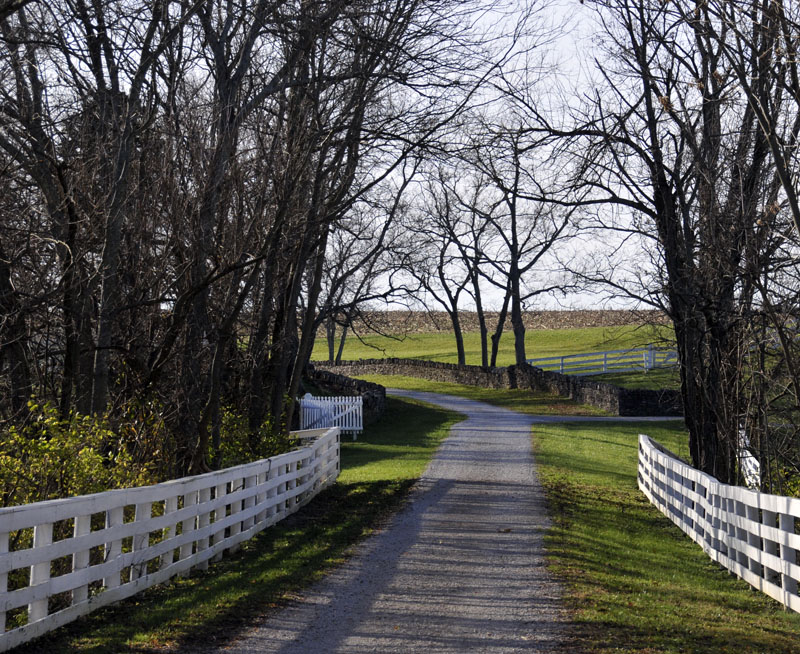
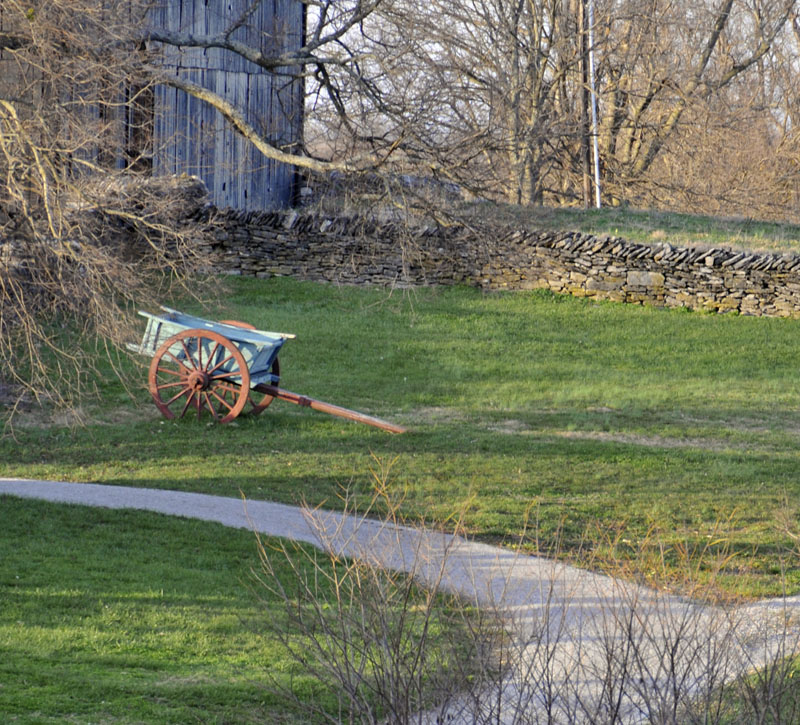
While visiting Shaker Village last weekend for the annual Blessing of the Hounds, we met a few of the village’s other farmyard residents … and took several long walks through the village and the surrounding fields and meadows. If you’re a fan of history; Shaker trades and crafts; nineteenth-century farming; quiet, truly beautiful, and well-marked walking and hiking trails; or even just really good food, I highly recommend a visit to Shaker Village if/when you’re next in or near Lexington. You can also read about the main road through the village in this blog post from back in September.

.

the Heritage Trail as it leaves the village and heads out into the countryside

.

a cart in front of a dry-stone fence (there seem to be miles of these handmade fences on the 3,000 acres owned by Shaker Village)

.

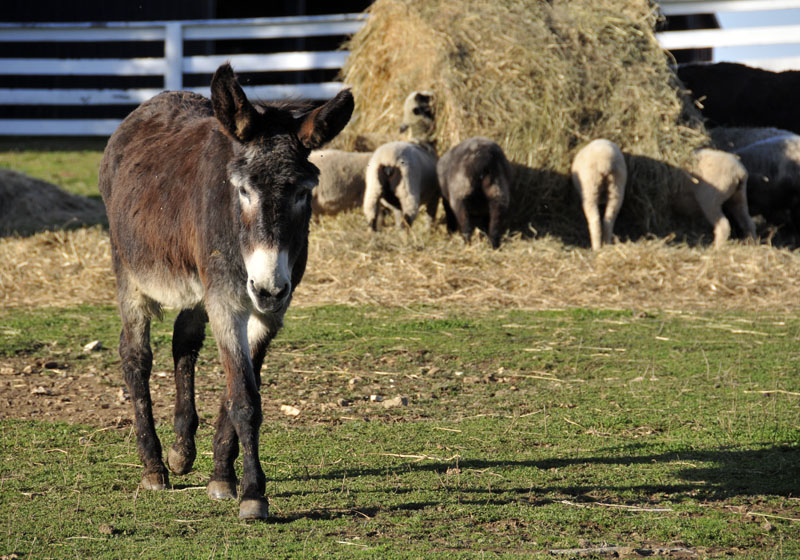
one of several adorable donkeys in a large paddock with a bunch of (hungry!) sheep

.

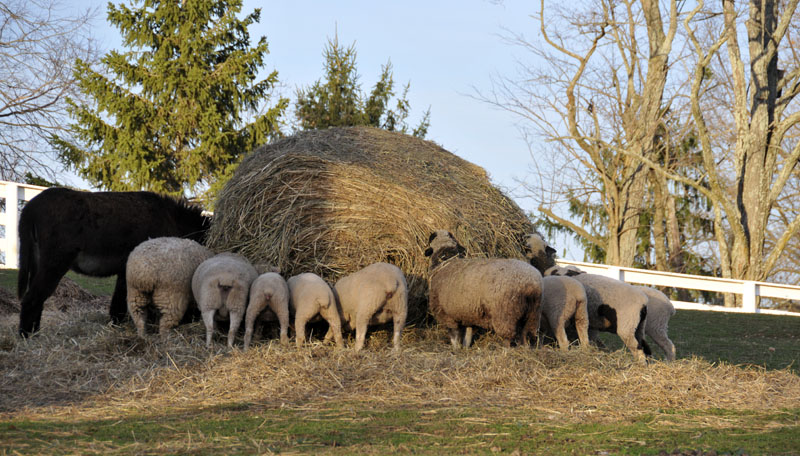
these hungry sheep kept eating and eating and eating; this round bale was completely destroyed (having been eaten and trampled) in the 24 or so hours we were there

.

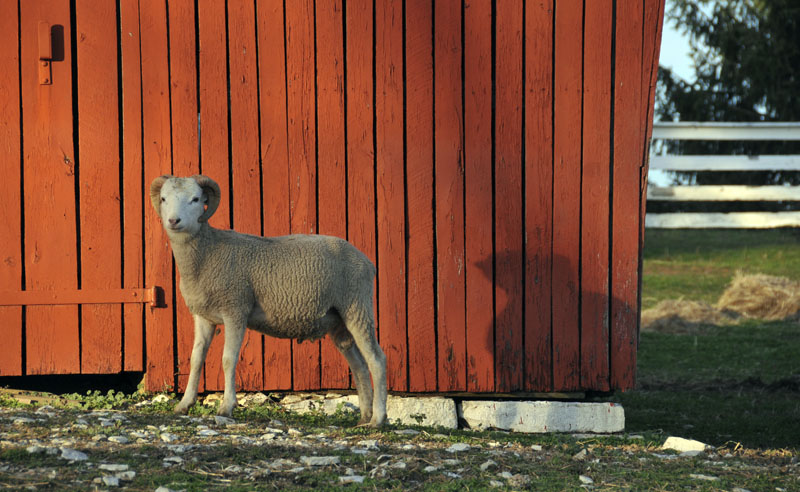
... but this little ram posed very politely for a portrait

.

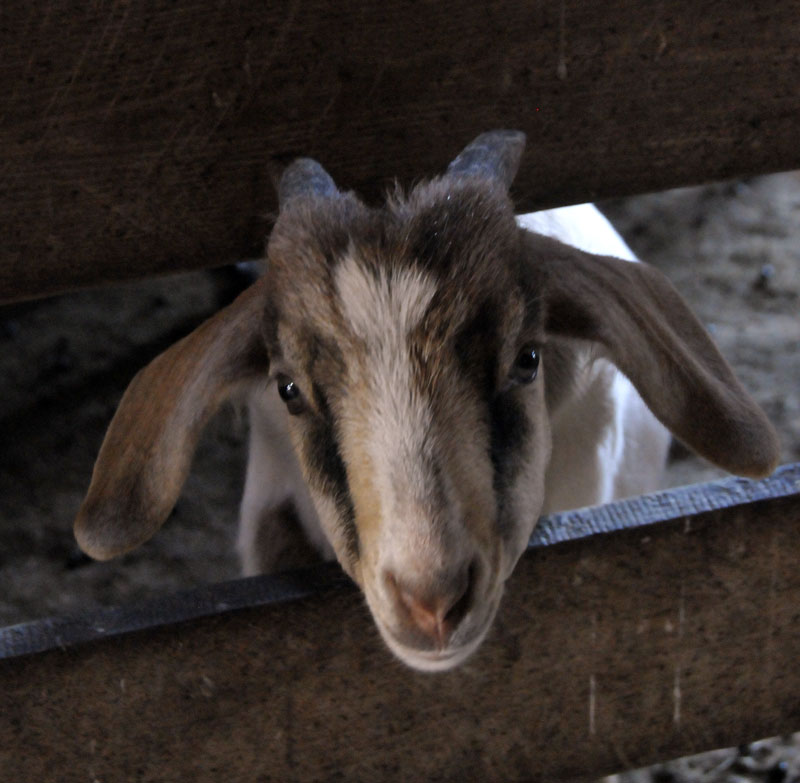
at the other end of the village, this goat and others were anxiously awaiting dinner

.

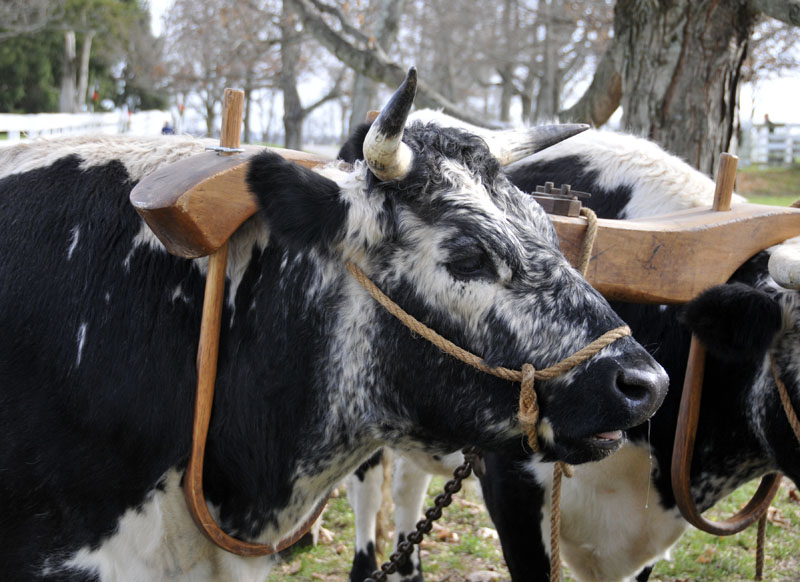
a team of oxen

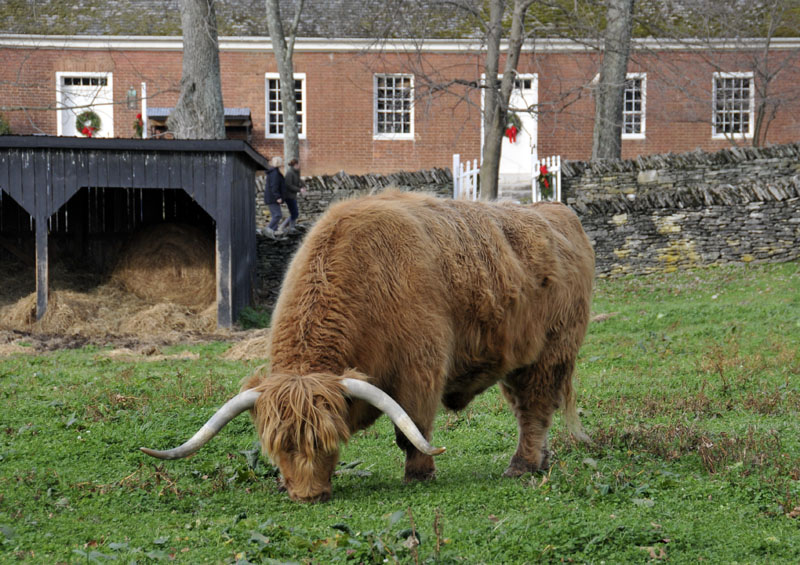
this beautiful Highland bull is in a big paddock by the pedestrian entrance to the village

.

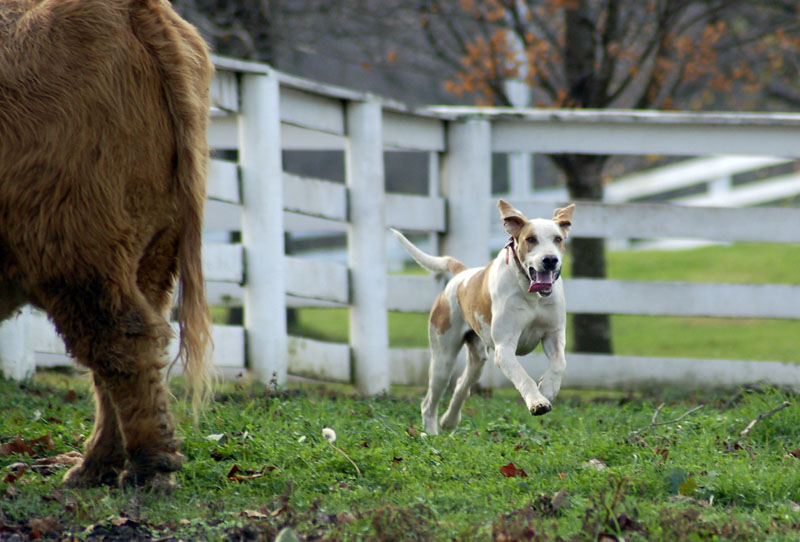
this silly fox hound escaped from the pack during the Blessing of the Hounds and paid a visit to the Highland bull (photo by A.J. Singleton)

.

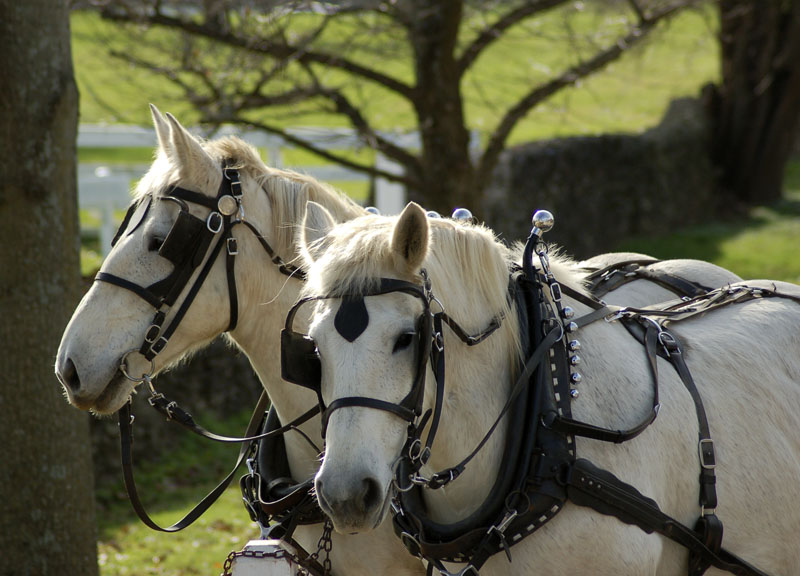
and, finally, a pair of driving horses who pull a wagon / trolley through the village (photo by A.J. Singleton)


Now that we’ve taken a look back, over the past two days, at several old coaches attending race meets and hunts, how about a few more modern photos?

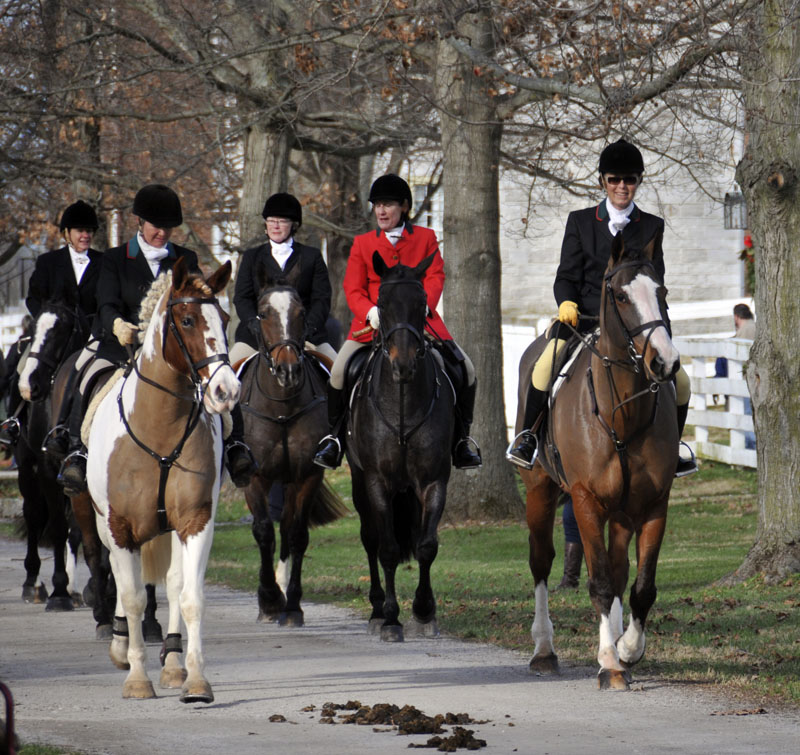
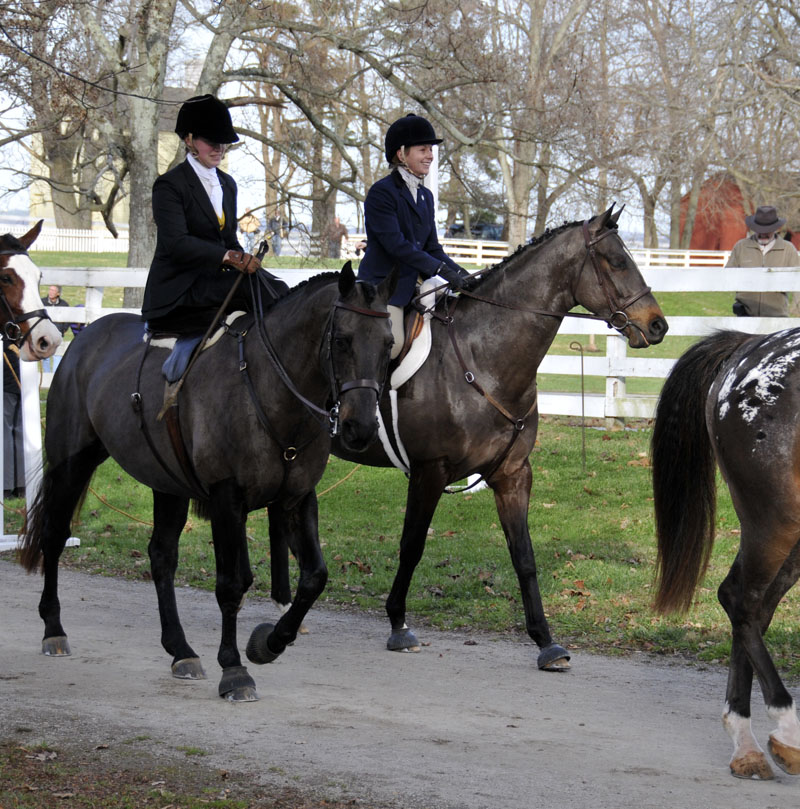
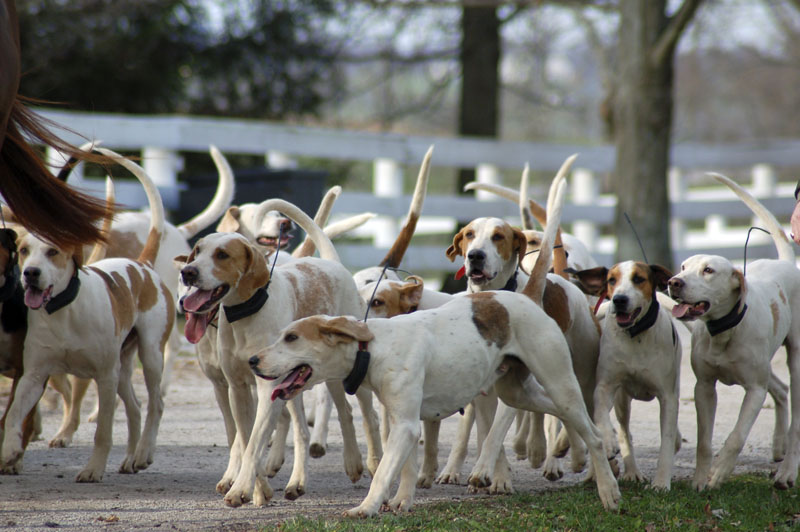
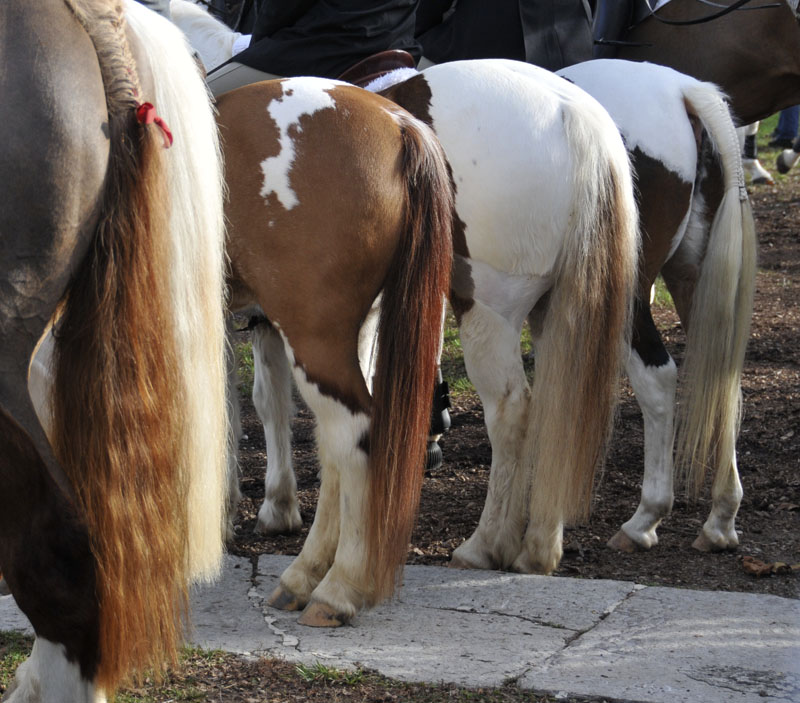
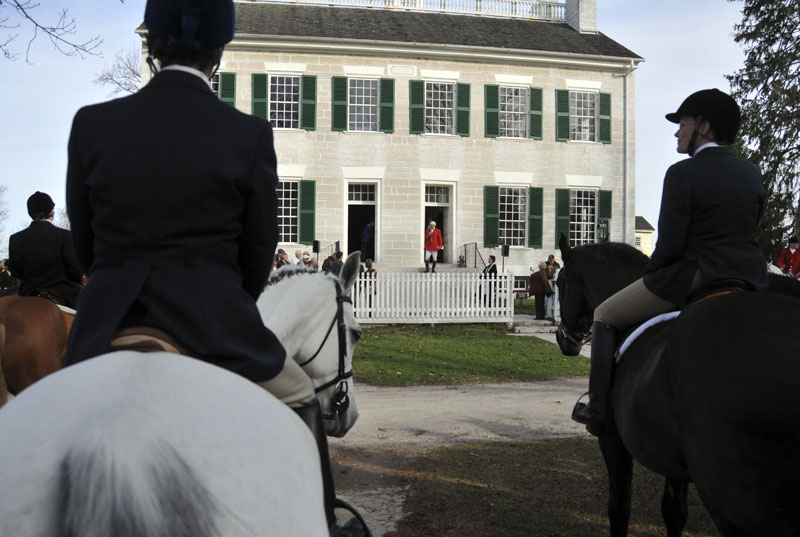
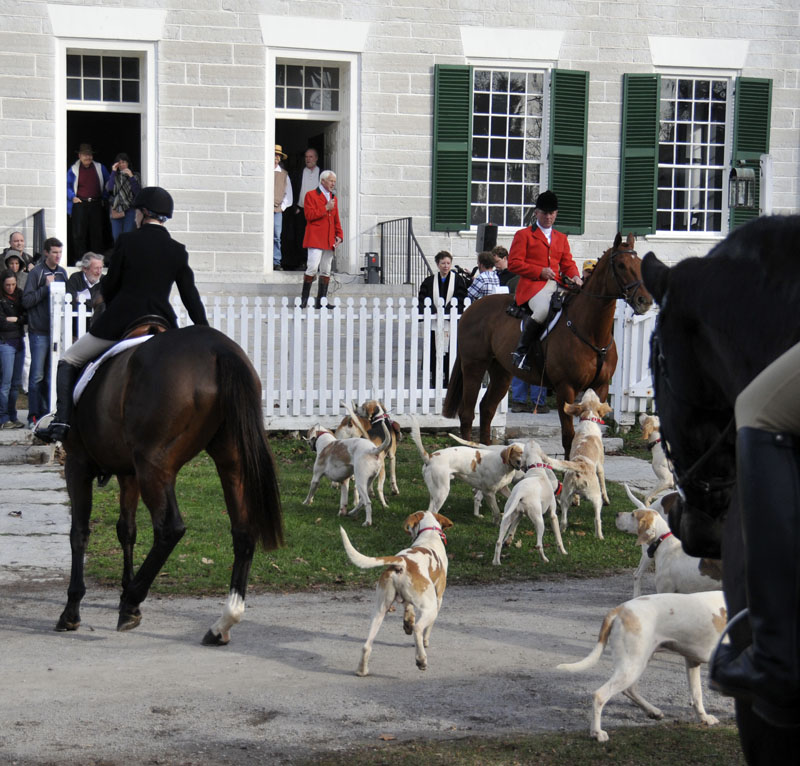
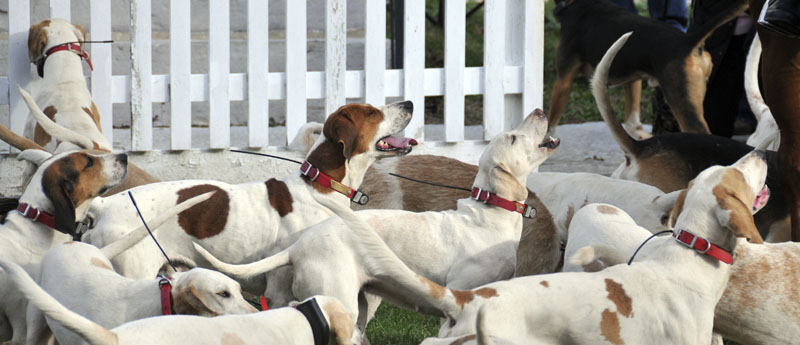
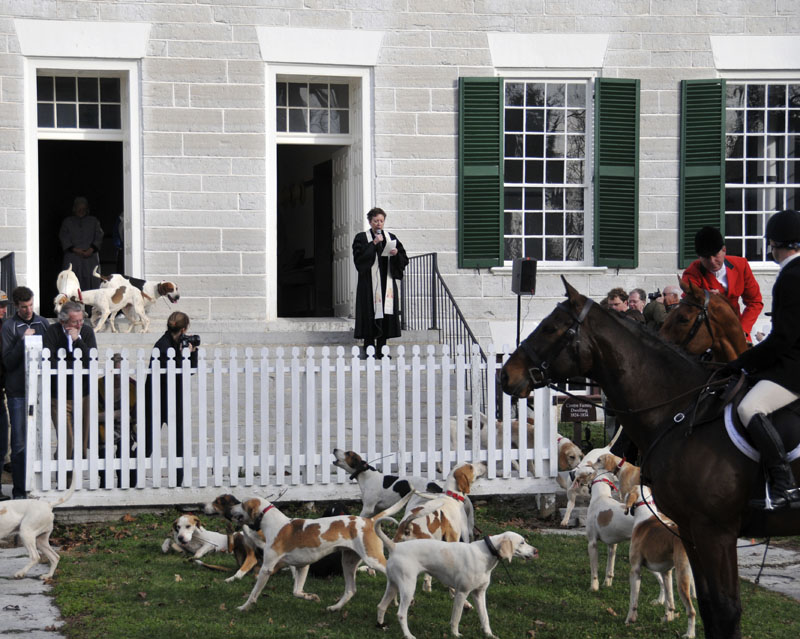
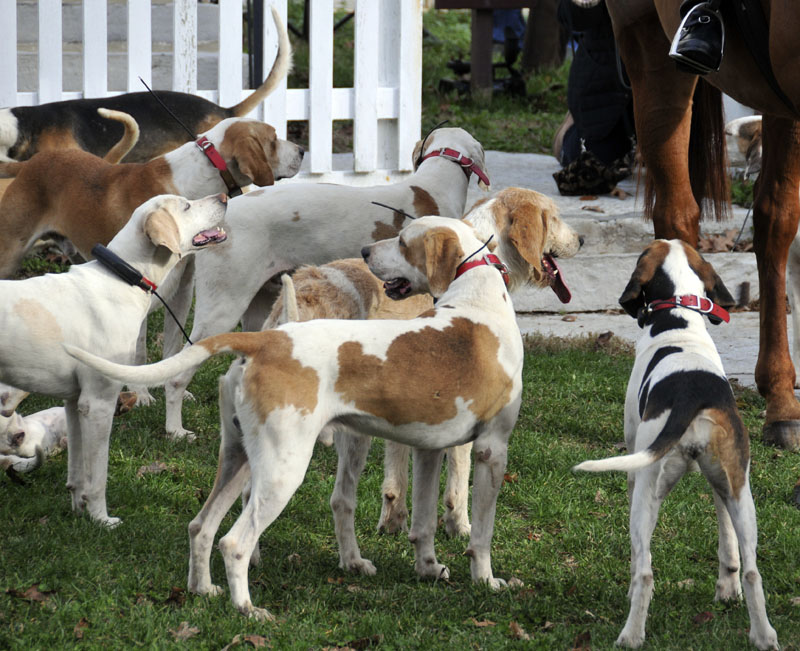
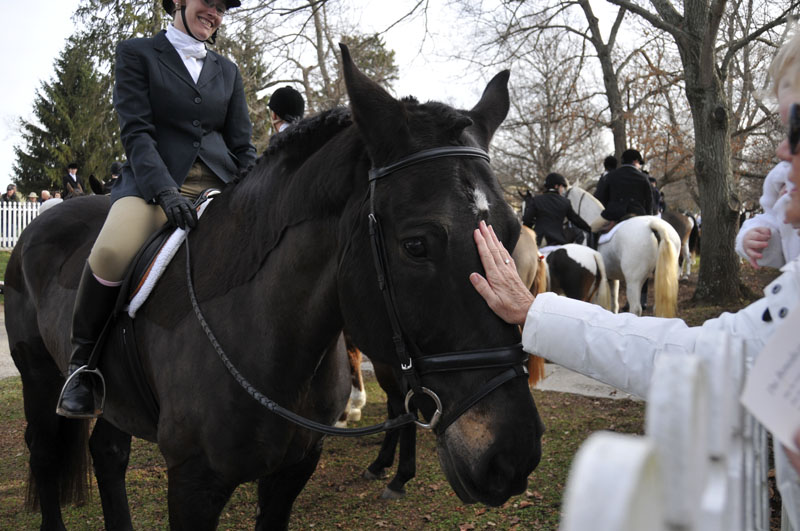
Last weekend, A.J. and my parents and I (and a whole bunch of other people, including the governor, apparently) enjoyed the nostalgic and happy spectacle that was the Blessing of the Hounds and opening meet for the Woodford Hounds.

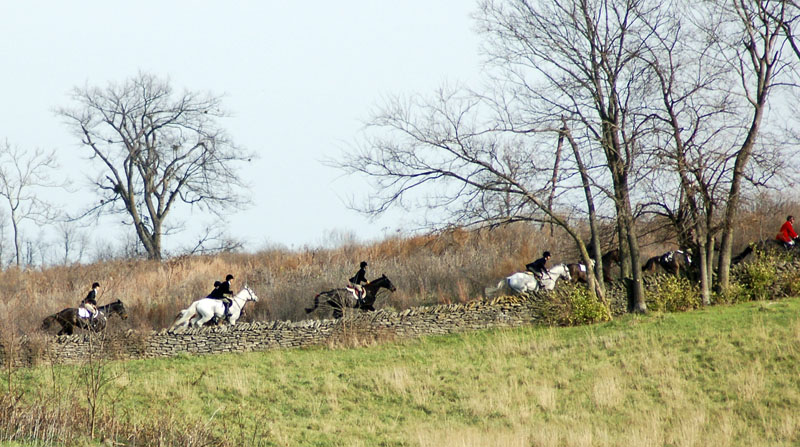
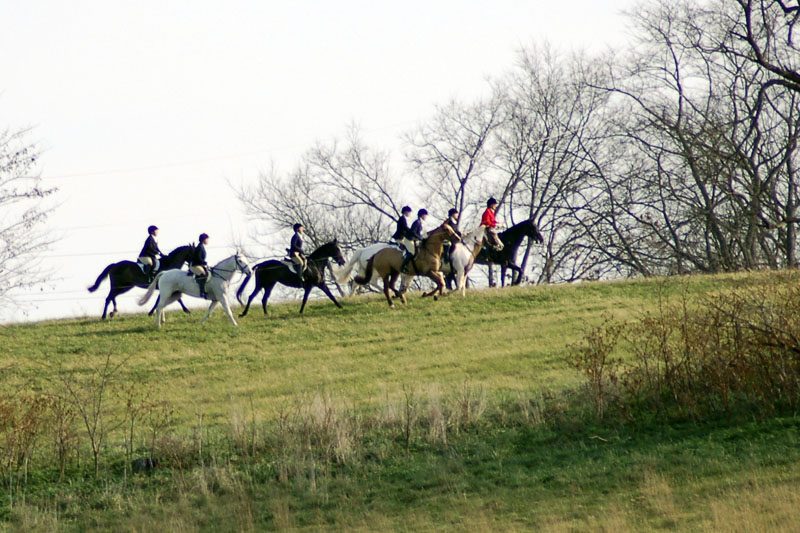
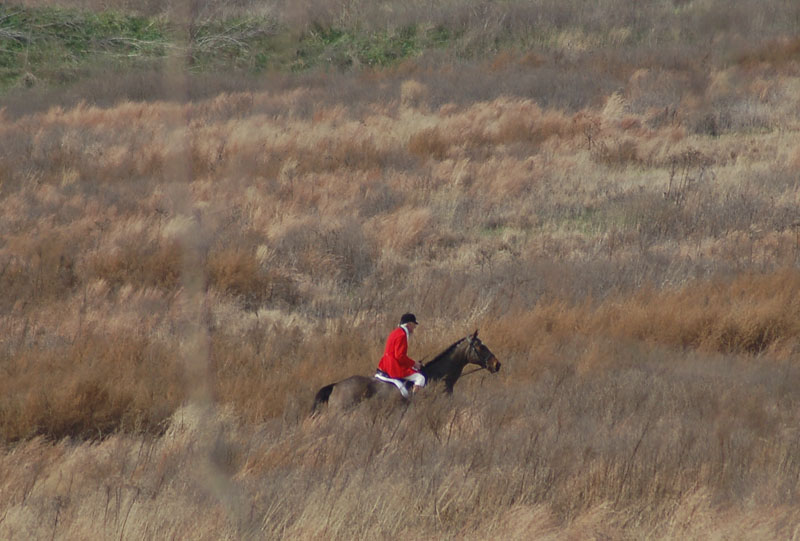
 The weather was glorious and the event took place right in the middle of the main “street” that passes through historic Shaker Village of Pleasant Hill. The Woodford Hounds kennel is located at the back of the 3,000-acre property owned by Shaker Village, and so the day’s opening hunt took the hounds and the horses / ponies and riders across fields and meadows and over hills and dry-stone fences.

Here are a few of our photos from the day, all shown in about the order we took them, so you can get an idea of the progression of things. (I’ve marked A.J.’s photos as his but, as usual, any “unmarked” photos are mine.)

.

.

.

(photo by A.J. Singleton)

.

(photo by A.J. Singleton)

.

.

.

.

.

.

.

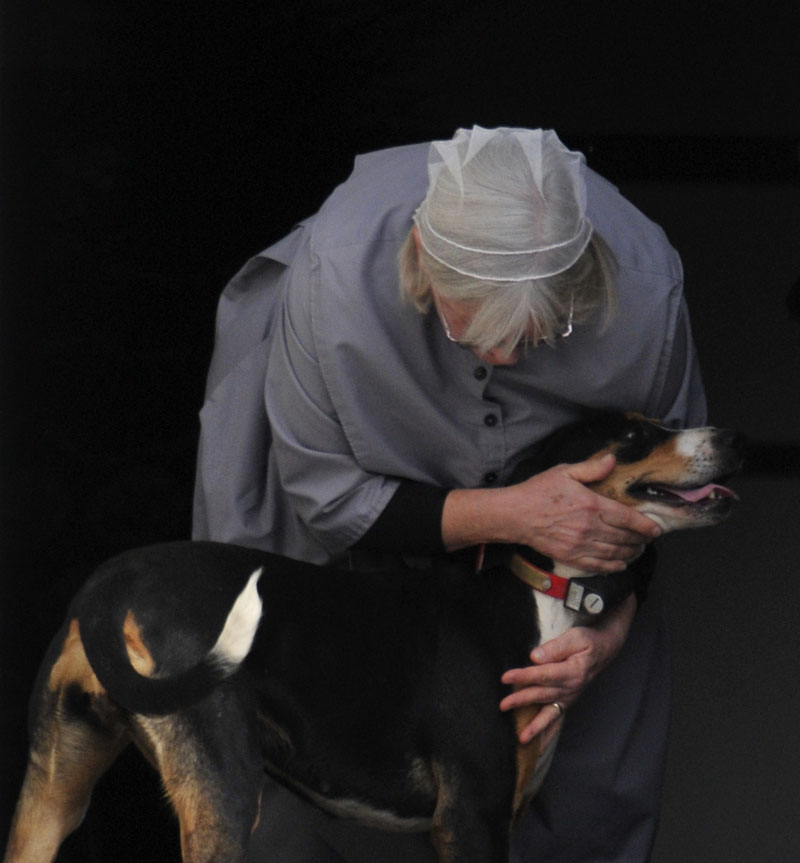
see all those hounds on the steps in the previous photo? Shaker Village costumed interpreters stood guard at each door to try to keep the hounds from running inside; this hound's plans to go in the building were thwarted but she got some lovin' instead

.

.

.

.

And once the morning’s festivities were over, it was time to get to work:

.

(photo by A.J. Singleton)

.

(photo by A.J. Singleton)

.

(photo by A.J. Singleton)

.

Tomorrow, I’ll share with you a few more scenes from our visit to Shaker Village, including some of the village’s other four-legged residents.

Jill had said that the report in yesterday’s post would be her final one from Argentina, but then another — and more great photos — arrived in my inbox.

So here is the (really, truly) final report on the CAA group’s wonderful visit to Argentina:

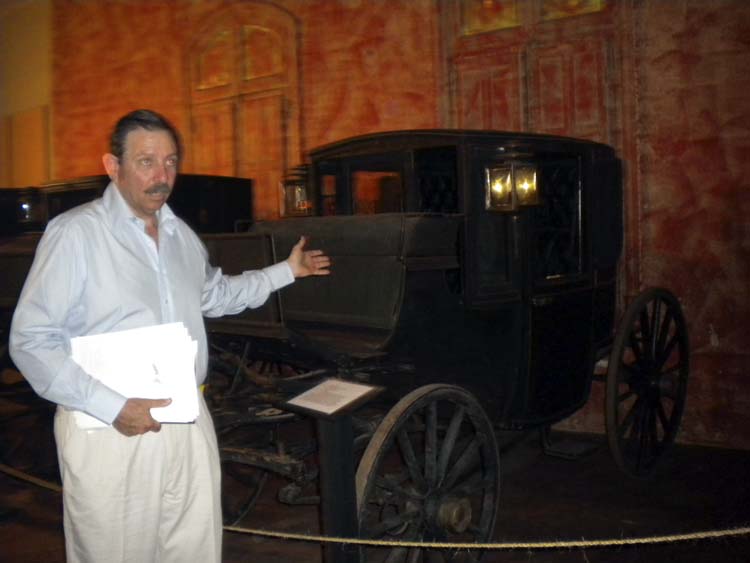
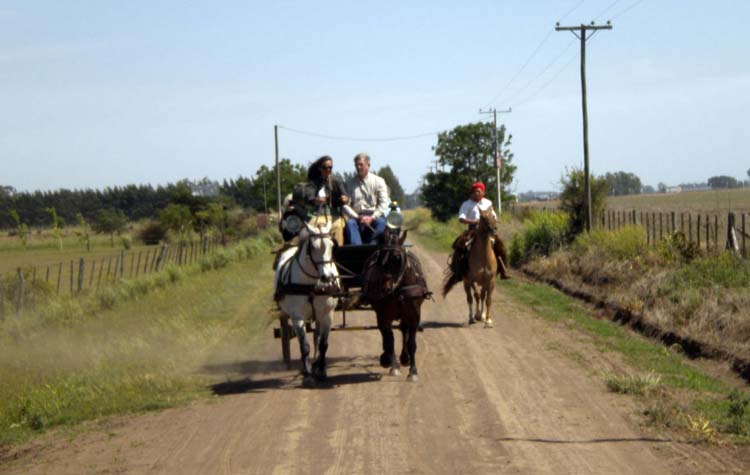
“Monday was our last day of the trip. We departed at 9:00 a.m. from the Estancia El Rosario (our home for the previous three nights) and drove an hour to the town of Lujan, where we were met by CAA member Raul Aquerretta, who had kindly agreed to take us around the carriage museum (open especially for us on Monday, their normal day of closing). As we were all greeting each other, out of the museum door came Andreas Furger of Switzerland (he’s one of the speakers at the 2012 CAA / CWF International Carriage Symposium). ‘What are you doing here?’ I asked, and was told that he had come to buy a Hackney horse from Raul. He was delighted with his horse and was very excited to now be driving a Hackney.

.

the final group dinner for this trip, at Estancia El Rosario

.

a typical Argentine wagon, at the carriage museum in Lujan (photo by Jill Ryder)

.

Raul describes one of the vehicles in the museum's collection (photo by Jill Ryder)

.

Lujan cathedral (photo by Jill Ryder)

.

“After our wonderful visit to the fascinating museum, we had a quick look around the church and drove on to Escobar for our final visit. Many of our local hosts had gathered at the Gibellis’ weekend home to greet us again, enjoy lunch, and look at the carriages and hundreds of appointments that Dr. Gibelli has collected over the years.

.

some of the Gibellis' collection in Escobar (photo by Jill Ryder)

.

... and more of the Gibelli collection (photo by Jill Ryder)

.

... and some harness on display (photo by Jill Ryder)

.

Dr. Gibelli discusses some of his vehicles with the group (photo by Jill Ryder)

.

everyone enjoyed lunch outside at the Gibellis' weekend home (photo by Jill Ryder)

.

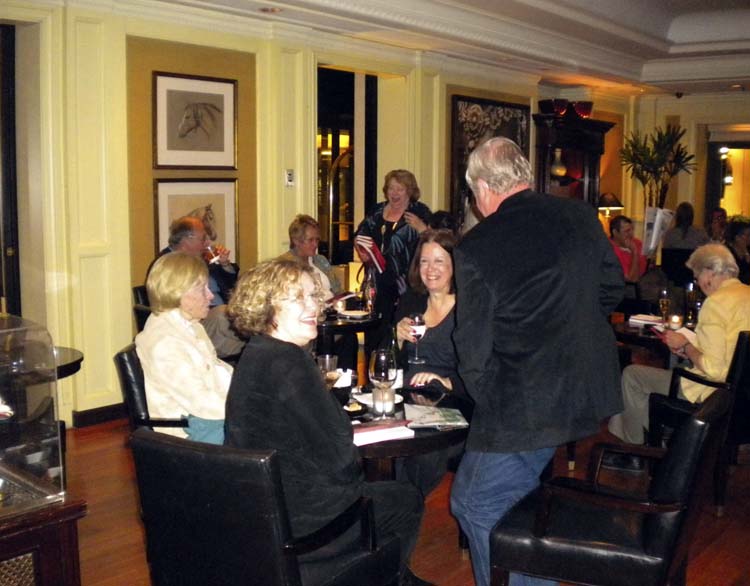
“Then it was back into Buenos Aires to stay at the Sofitel Hotel. We all met in the bar at 8 p.m. and were joined by Milagro Molina de Lattuada, who signed copies of her book on Hackney horses (recently translated into English) — a gift from the CAA. And so ends another outstanding trip to Argentina.”

.

Milagro de Lattuada joined the group at their B.A. hotel, to sign her book on Hackney horses (photo by Jill Ryder)

Jill’s final report and photos from Argentina (all from Sunday):

“After breakfast, we received a telephone call telling us, ‘hurry, hurry, the horses are ready!’

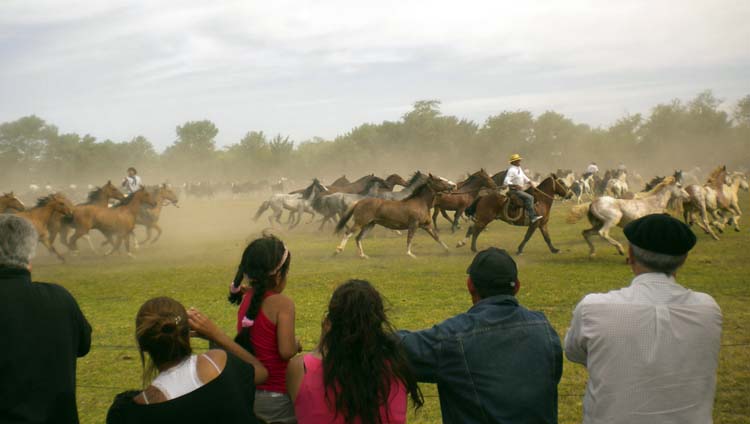
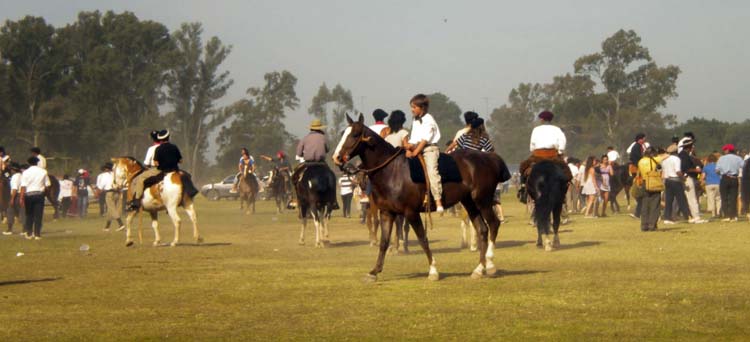
“We drove out of town and were greeted by Juan Gibelli and two pairs of horses. We loaded the vehicles and drove into town. As we approached the town, there were hundreds of horses gathering for the start of the parade, and we drove right through them! Quite a sight and almost too hard to describe. We alighted and hot-footed it through town to our reserved seating outside on the sidewalk. As soon as we arrived, we were served drinks and empanadas and the parade started.

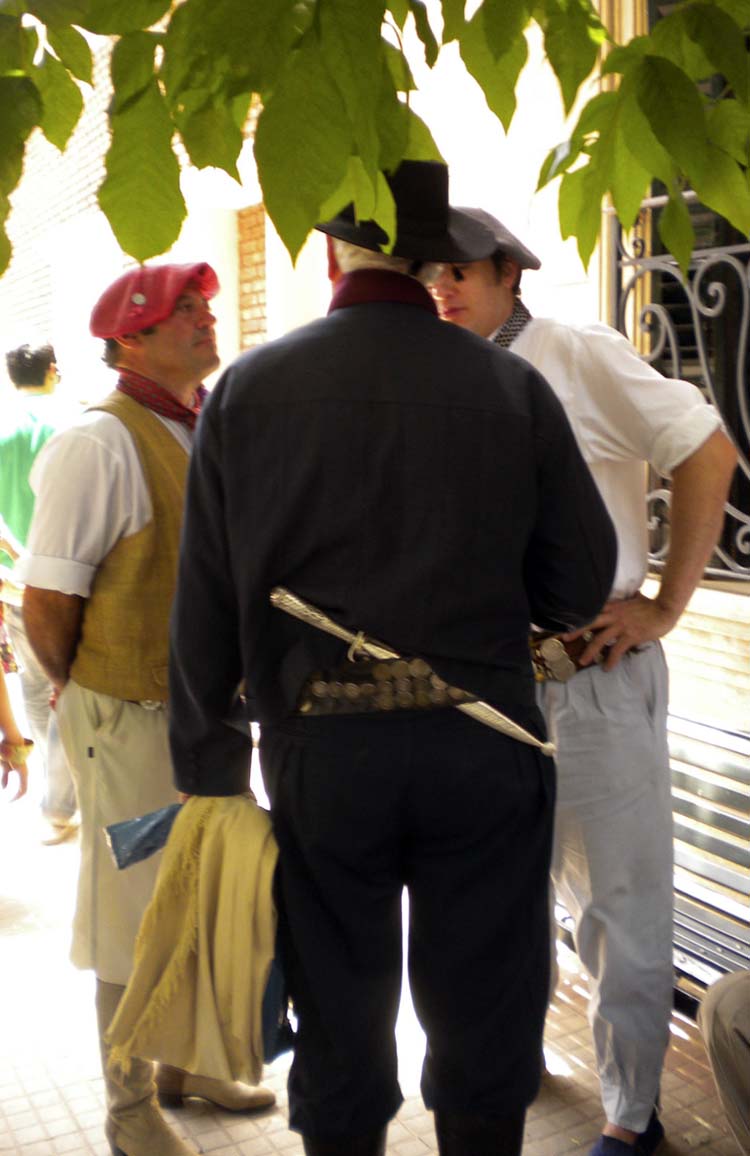
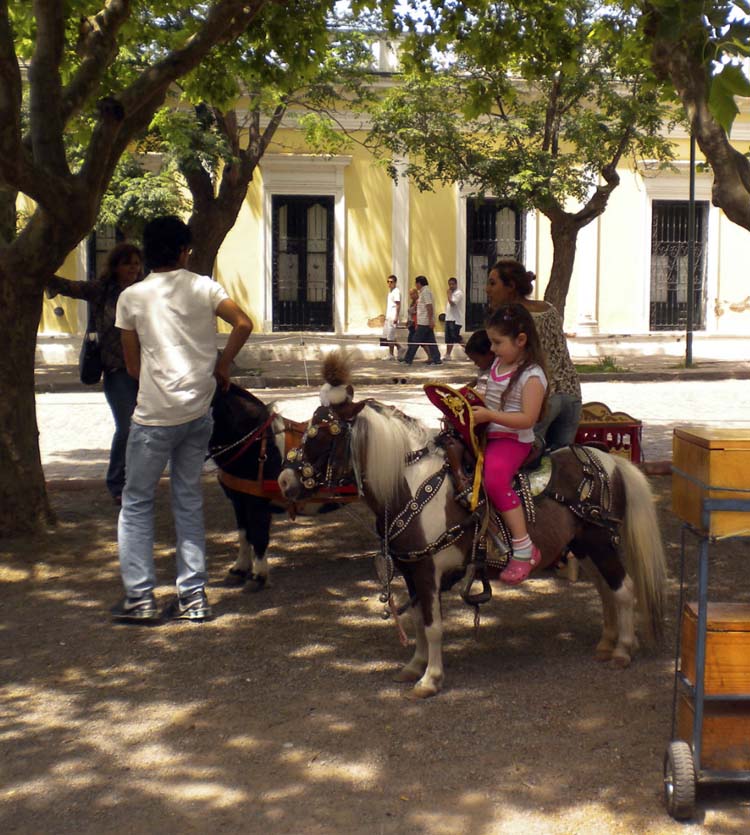
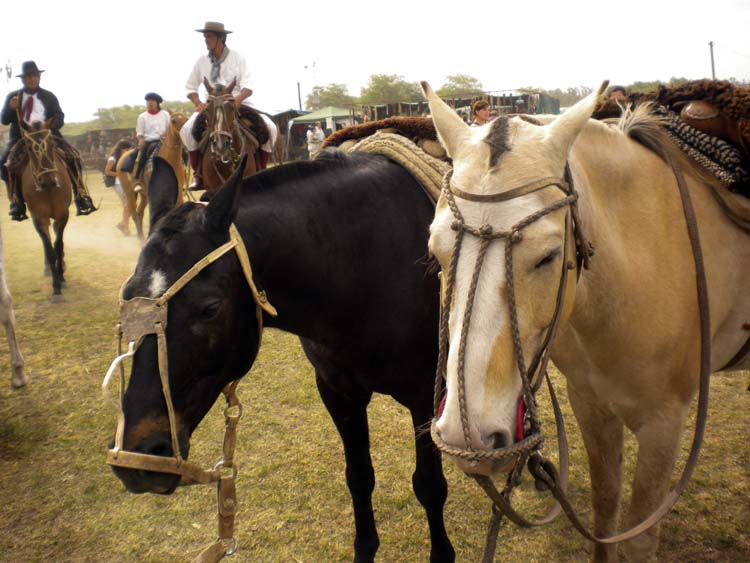
“We watched hundreds (perhaps thousands) of horses being led be a rider or loose, as most of them were in trapillos (a bell-mare group). A guacho rides his horse, leading a mare with a bell around her neck, and then the rest of the horses (having been brought up like this) are loose and stay right with the bell mare. Where else in the world could you see such a thing: people sitting and standing on the side of the streets with hundreds and hundreds of loose horses in the street! Incredible.

“Then it was off to lunch and then back to the arena to see the big festival with ALL the trapillos in the ring at the same time!

“We watched for two hours and were on overload, and so we returned to the estancia and recounted the fantastic day.”

.

(photo by Jill Ryder)

 .

(photo by Jill Ryder)

.

(photo by Jill Ryder)

.

(photo by Jill Ryder)

.

(photo by Jill Ryder)

.

(photo by Jill Ryder)

.

(photo by Jill Ryder)

.

(photo by Jill Ryder)

.

(photo by Jill Ryder)

.

(photo by Jill Ryder)

.

(photo by Jill Ryder)

.

(photo by Jill Ryder)

.

(photo by Jill Ryder)

.

(photo by Jill Ryder)

« Previous PageNext Page »