travel / destinations


This past weekend, A.J. and I met my parents in Asheville, N.C., for a day and a half of good company & conversation, good food, and some exploring of that city’s beautiful downtown.

Early on Sunday morning, while walking to breakfast through the center of downtown, we came across this pig in Pack Square:

.

.

The pig and the path she’s on, covered in a variety of footprints, commemorate the early roads and stagecoach routes that went right through the center of what is now downtown Asheville.

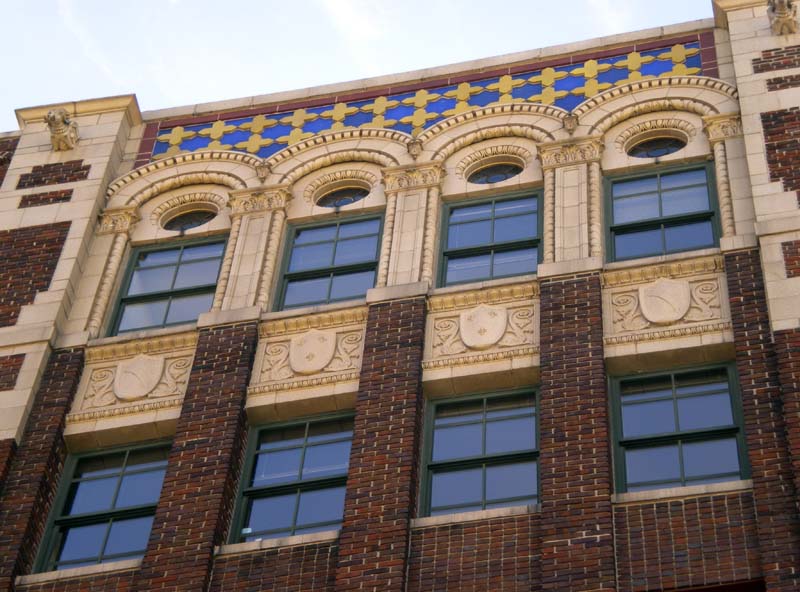
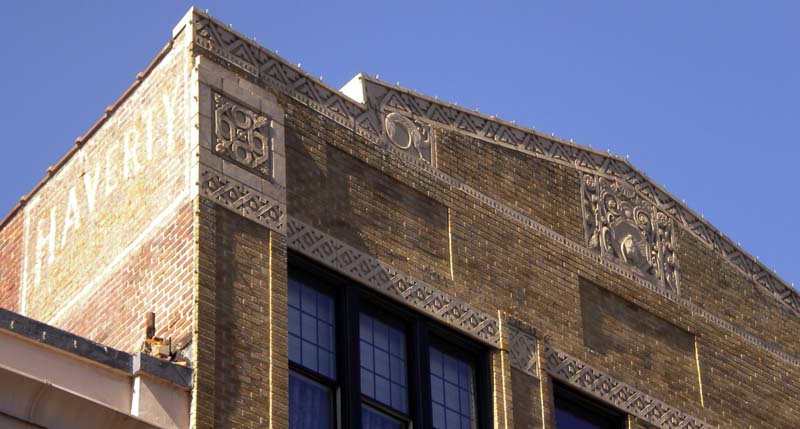
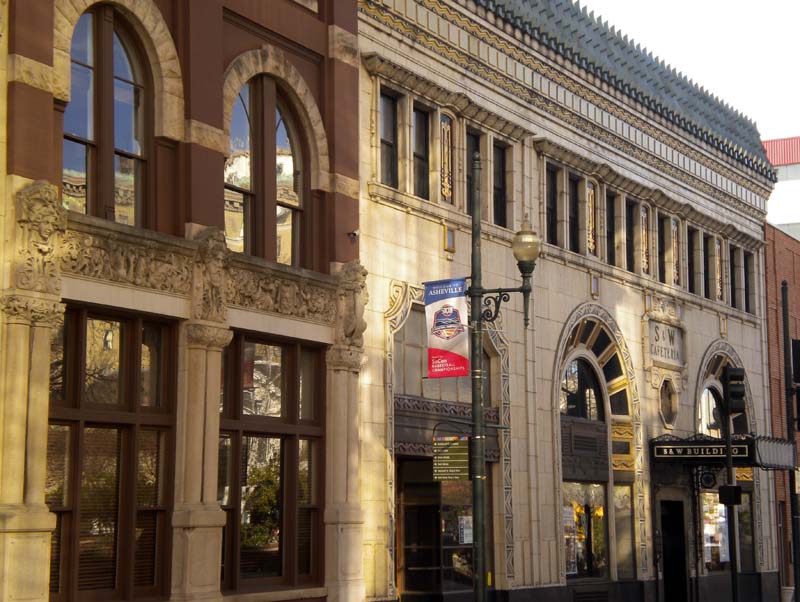
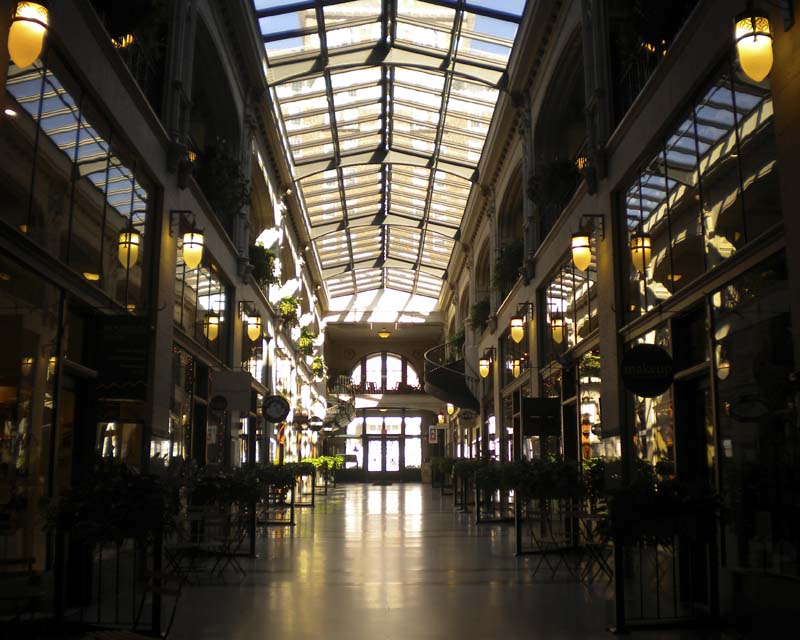
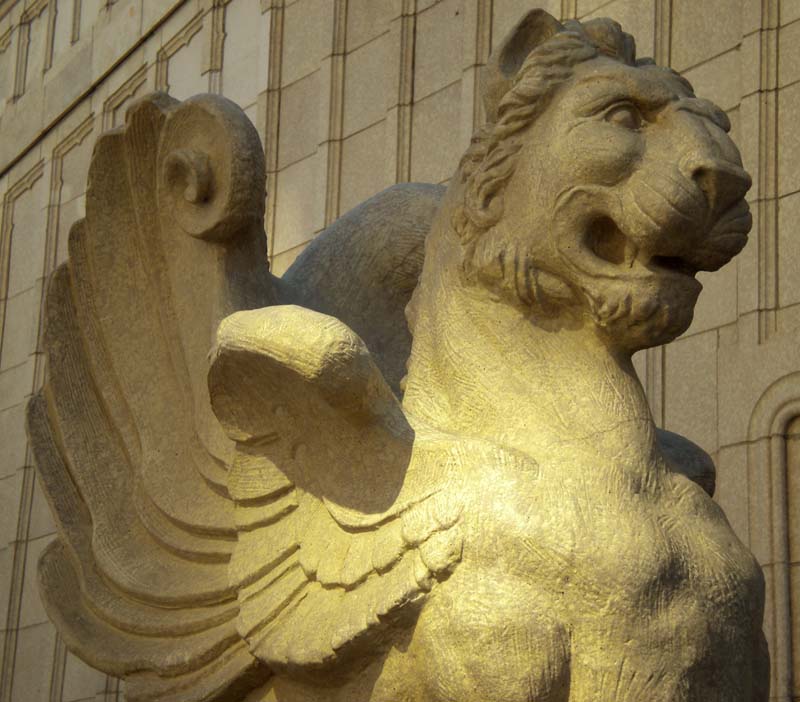
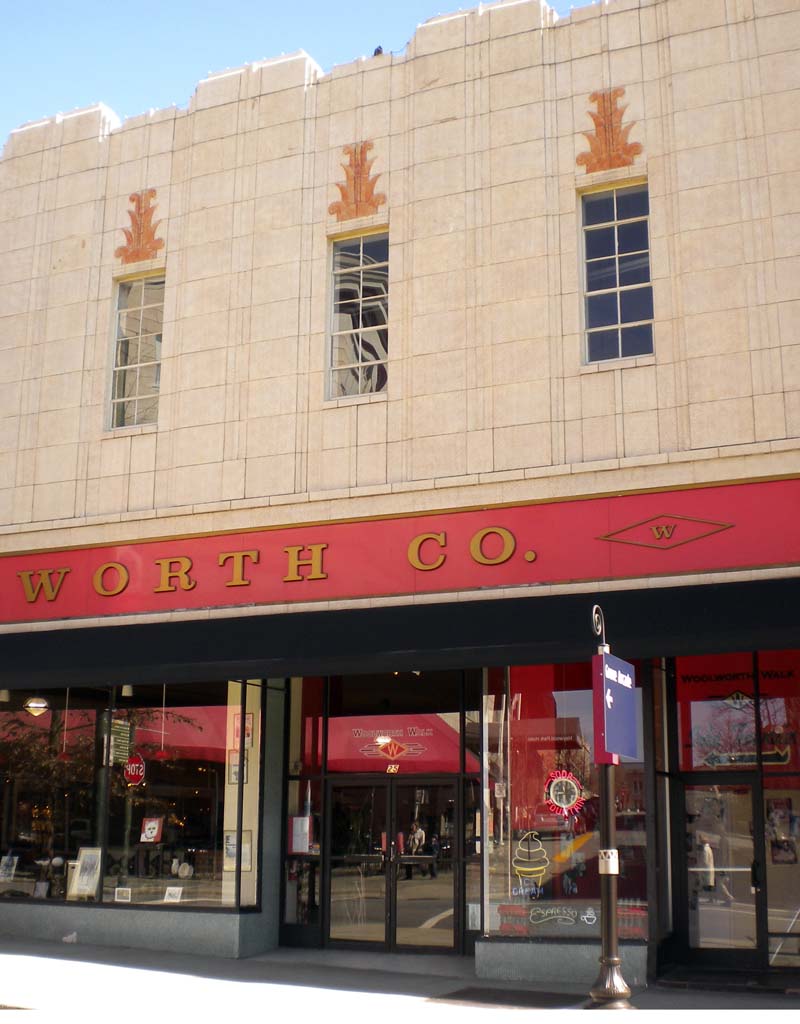
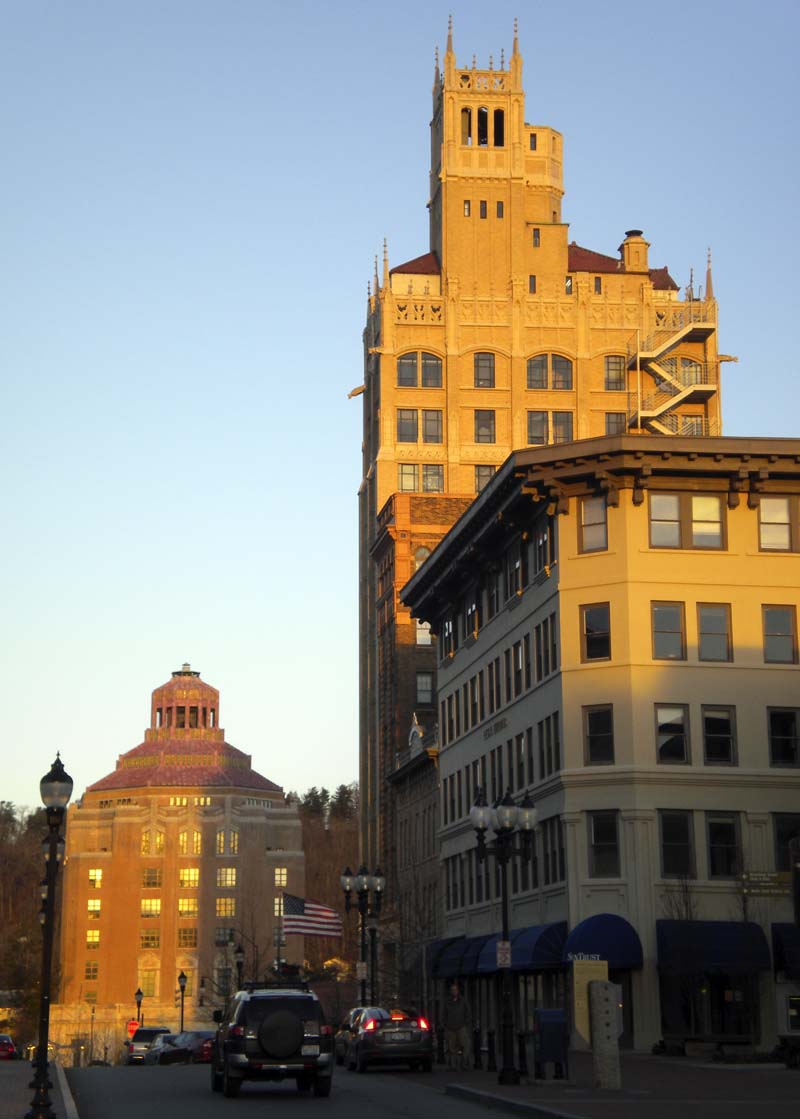
After a delicious breakfast in one of the city’s vast multitude of excellent restaurants, we wandered around downtown and enjoyed seeing the lovely old architecture …

.
.
.

.
.

.

.
.
.
.
.

And to bring this post back around to horse-drawn vehicles and yet keep it in artsy Asheville, here’s a “gypsy wagon” that I spotted on the sidewalk outside a shop:

.

Today, all over Alexandria, Virginia, are parades, parties, and celebrations in honor of George Washington’s 280th birthday. And, if you visit Washington’s beloved Mount Vernon today, you won’t have to pay to get in.

Way back when I used to live in Old Town Alexandria, about a dozen years ago, I would sometimes ride my bike or take a drive along the G.W. Parkway, from my apartment building down to Mount Vernon. The scenery and the views of the Potomac along the way are lovely, but I was rarely tempted to stop at Mount Vernon itself because it was always so packed with tourists. I do remember touring the house a few times in the decade I lived in the area, for special occasions or when they had free admission (and no crowds) on  Christmas day.

But next time I’m in Alexandria, I plan to make a point of visiting some of these interesting-looking areas of George Washington’s estate. These have either been renovated / opened in the fifteen years since I was last there, or I just never paid enough attention to what was available. There’s Washington’s whiskey distillery and gristmill, a sixteen-sided barn, beautiful gardens and a hiking trail through a centuries-old forest, heritage-breed farm animals, and more … all in addition to the house itself. Definitely worth a visit, I think.

Are you on Facebook? If you are, you too can “like” the Colonial Williamsburg page. A status update from Colonial Williamsburg just popped onto my FB news feed, and I thought it was really rather interesting, especially since we were just there, exploring the Historica Area and meeting people.

On this website of “behind the scenes” info at Williamsburg, you can listen to or (if you lack speakers) read the transcript of two interviews with the director of their Costume Design Center. There’s a lot of other interesting information there, as well.

P.S.
If you are on Facebook and haven’t yet “liked” the Carriage Association page, you can check us out here.

For a lazy winter-time holiday, here are some scenes from Colonial Williamsburg. I took these in the late afternoon last Friday.

.

.

.

.

.

.

.

On our free afternoon, several symposium attendees made their way to the wheelwrights’ shop to meet the artisans and see what they were up to.

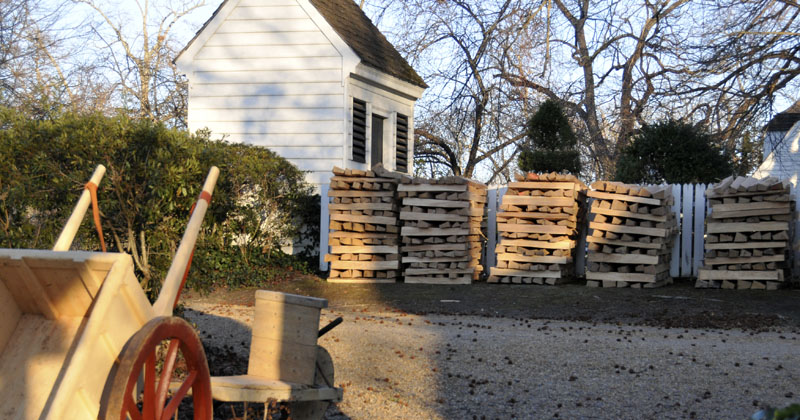
On this day — and for quite a number of days lately — they were splitting white-oak logs for spokes. Several big trees had come down on Williamsburg-owned land during a recent hurricane, and the wheelwrights were the lucky recipients of this unexpected bounty. There are so many logs that they will apparently have enough split wood to last through several years’ worth of spokes.

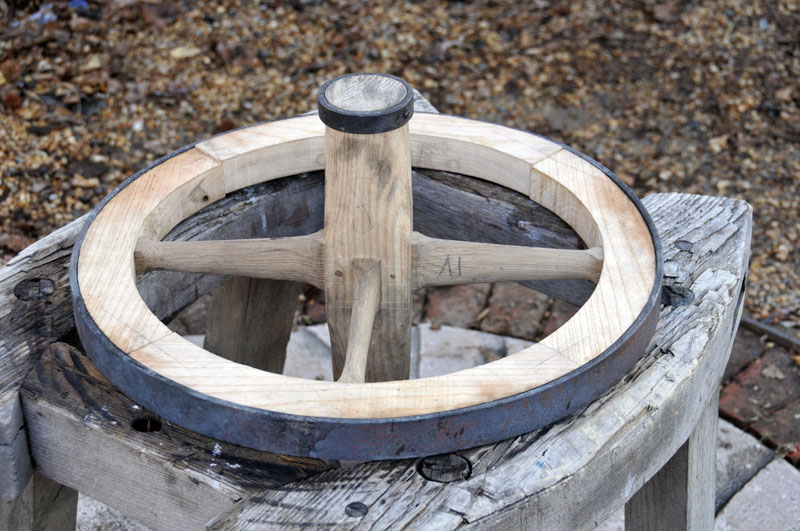
They explained to us that they use white oak for spokes and ash (from the center of the logs) for hubs. Once split, each piece of wood has to dry for one year per inch of thickness, so a twelve-inch chunk of ash must dry for an astonishing twelve years before it can be made into a hub.

In the lean-to next to the wheelwrights’ workshop is the blacksmith’s shop, and we were able to peek in there as well.

.

.

.

.

.

.

.

.

.

.

.

.

« Previous PageNext Page »