travel / destinations


Speaking of resorts built around springs …

On my way back to Lexington from Martin’s Auction, I stopped for an afternoon and overnight in beautiful Lewisburg, West Virginia. The mountainous area has fertile valleys, numerous caves, and several sulphur springs. In the nineteenth century, resorts were built up around these springs … the most famous of which, of course, became the iconic Greenbrier.

Besides the Greenbrier, which has obviously flourished, the evidence of the other resorts has mostly disappeared.

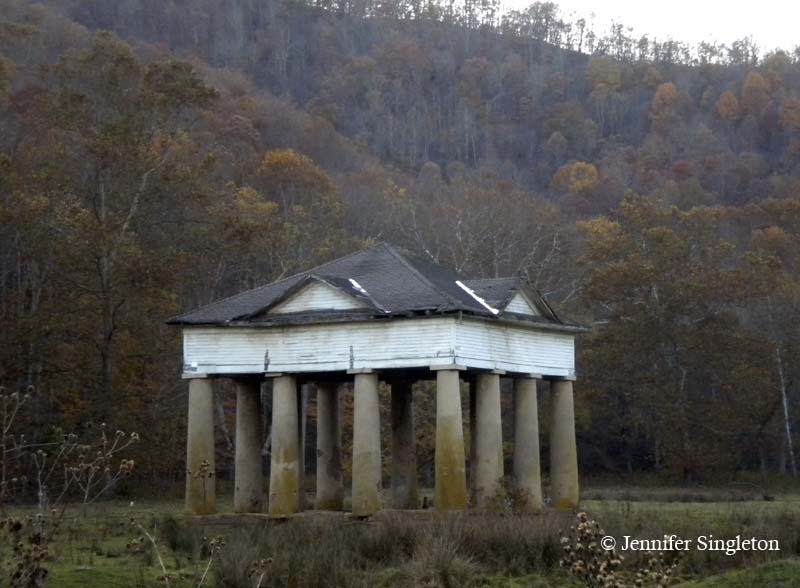
There is, however, this lovely old spring house.

.
.

Unfortunately, the structure has been neglected and cows have been able to wander through it, which surely hasn’t helped. But the local community is working to raise money to save their spring house.
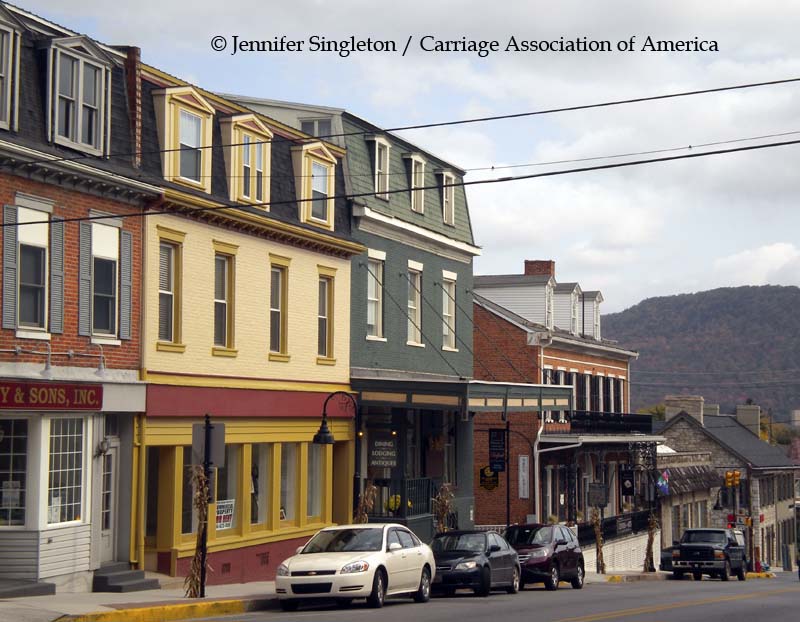
While driving toward Martin’s Auction, I stopped for lunch in Bedford, Pennsylvania. The well-preserved downtown is filled with shops and cafés.

.

.

.

.

.

.

.

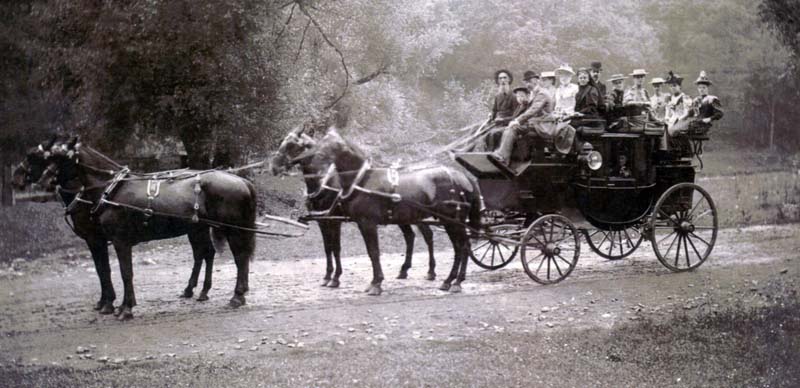
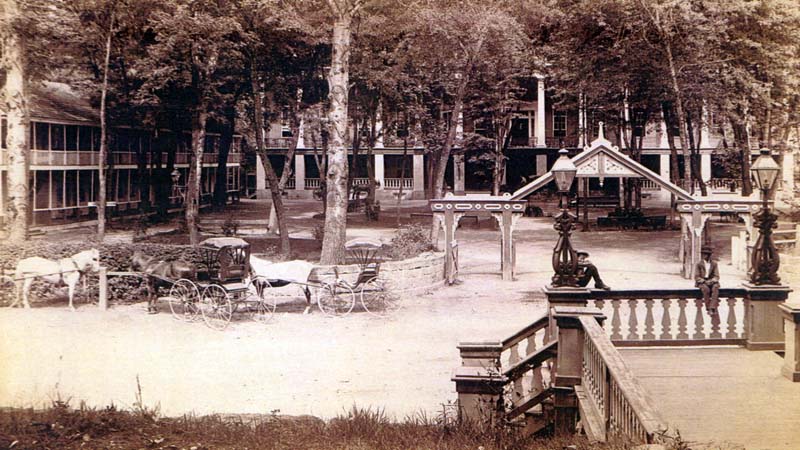
While in town, I found these wonderful postcards, with photos from the 1880s (the original photographs were found and reproduced by the owner of the local Bird’s Nest Farm). The photos show nearby Bedford Springs, which has been a resort since the early nineteenth century.

.

.

.


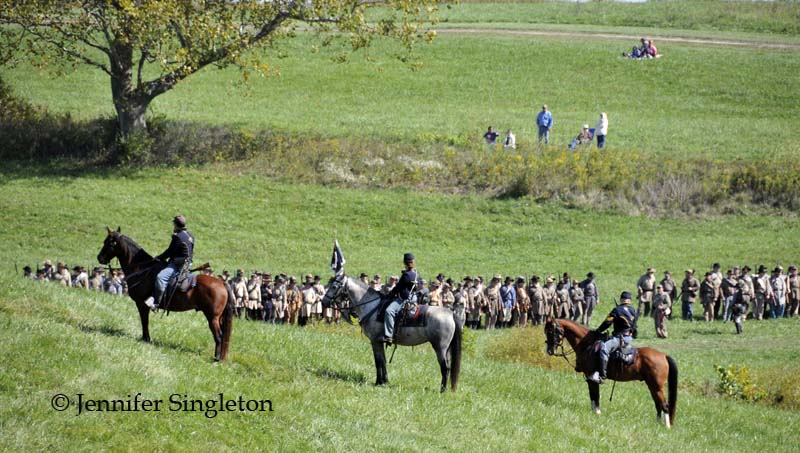
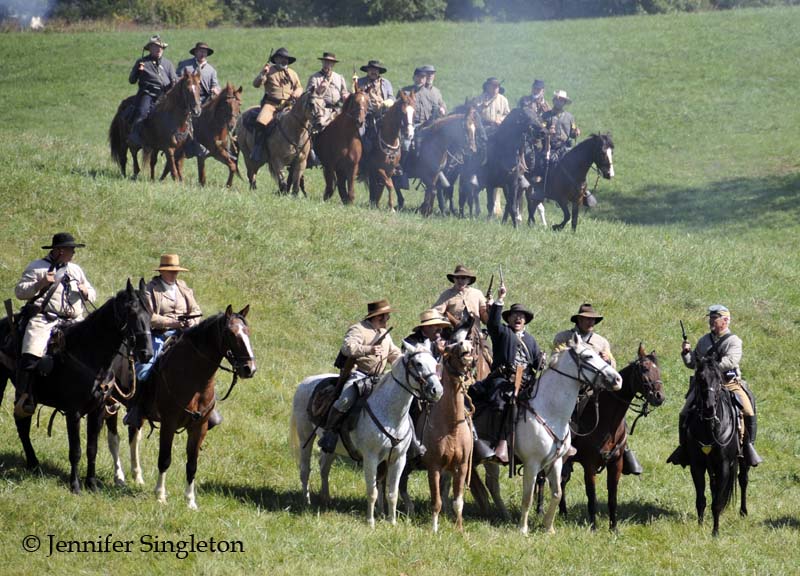
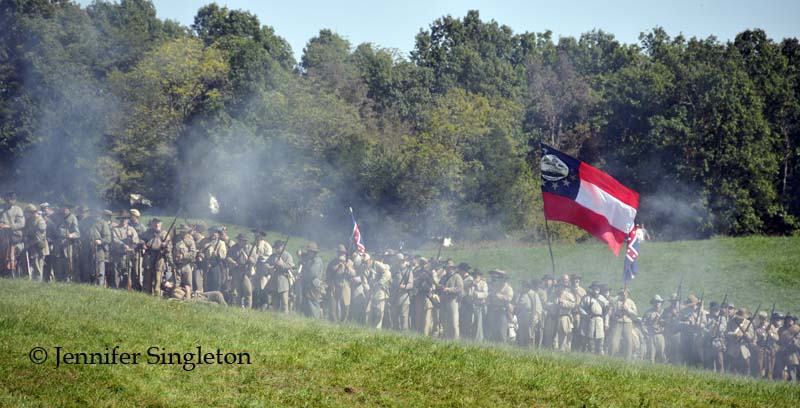
For our final look at the 150th-anniversary reenactment of the Battle of Perryville, here are a few scenes from the reenactment itself:

.

.

.

.

.

.

.

.

[Hey, I found an Internet connection!]

We’re (still) back at the Perryville reenactment for two more days …

While we were visiting with some of the folks in the horse-drawn artillery unit, we walked with a couple of them to meet another artillery unit and see their pieces, which were on display but not being used.

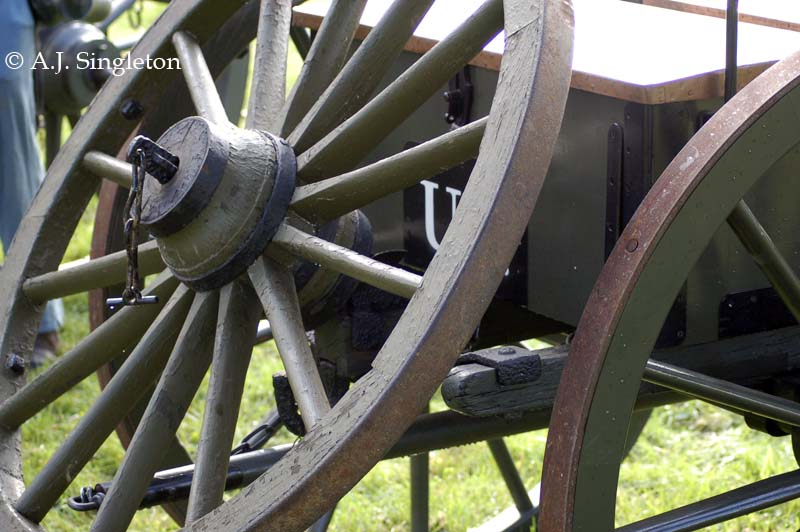
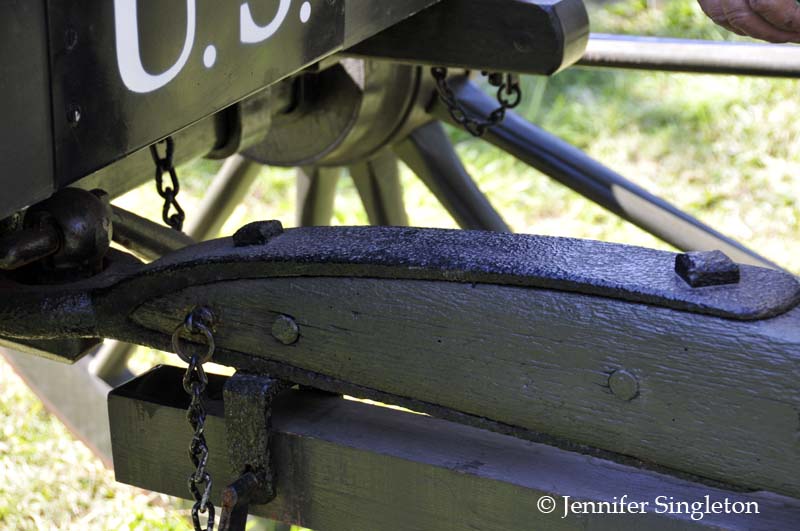
Over the course of the day, we learned that a unit of horse-drawn artillery would’ve had six or eight cannon, each pulled by six horses. As you’ve seen in the previous artillery photos, each cannon is attached to a limber (the front wheels of the four-wheeled device) with a box on top. That box carries the cannon’s ammunition (thirty-nine shells in the case of the twelve-pound howitzer we saw).

Each cannon, then, would’ve been accompanied by a second horse-drawn limber with a caisson attached, and each caisson carried another two boxes of ammunition. As you can see here, a spare wheel was carried on the back of the caisson.

.

.

.

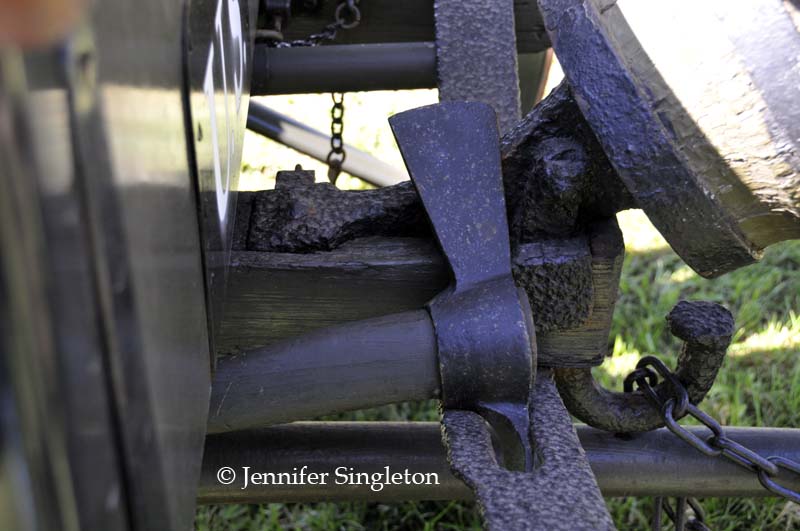
Portions of this particular limber and caisson are original, and it has all sorts of nooks and crannies and carrying cases for a spare pole, an ax, a hatchet, etc.

.

.

.

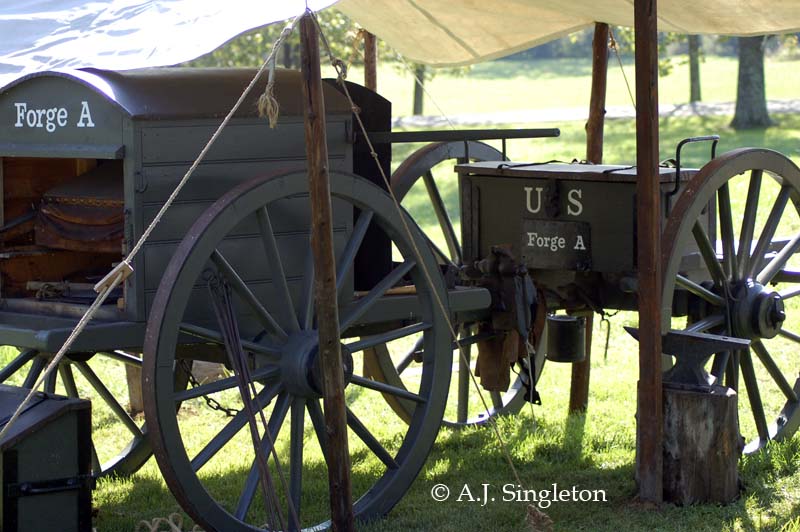
Each unit also had its own blacksmith, who would’ve had a setup like this:

.

.


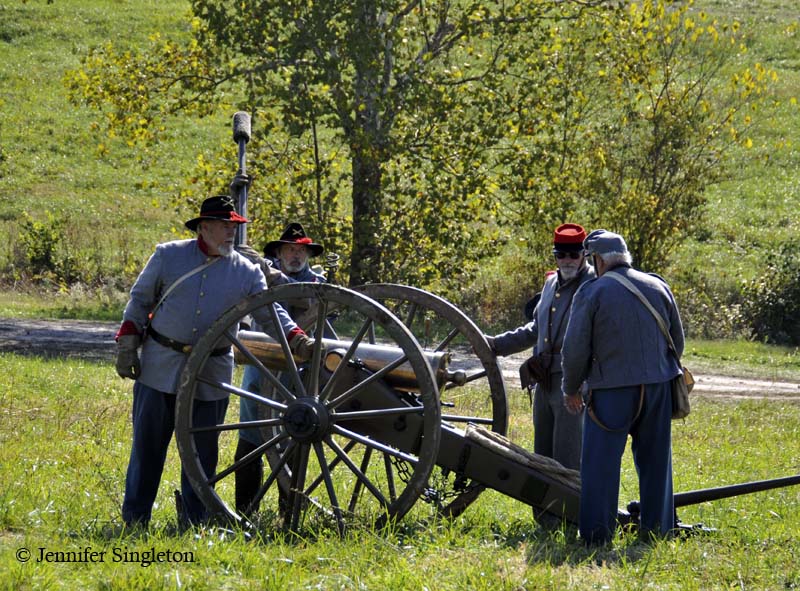
As you might guess, the most exciting (and loudest) part of the horse-drawn-artillery demonstration at Perryville was when they shot the cannon, which they did several times.

.

the gray-haired man (far right), a special-guest member of the horse-drawn artillery unit for the weekend, also participated in the 100th-anniversary reenactment of the Battle of Perryville … in 1962

.

.

By the final time they fired the cannon, I was able to capture the entire sequence. This looks really neat when you’re able to scroll quickly through all three.

.

.

.

.

« Previous PageNext Page »