travel / destinations


Today’s Glimpses of the World photo (our final 1892 look at the British Isles) shows a view of Windsor Castle.

.

.

The book’s caption for this photo reads:

“An hour’s ride by rail from London is this magnificent abode of royalty, the history of which dates from the time of William the Conqueror, [now more than] nine hundred years ago. It is an intensely interesting place to visit because so many different sovereigns have added something to its architecture and left to it still more imperishable souvenirs connected with their reigns. Such are the Gateway of Henry VIII, the Tower of Henry III, and St. George’s Chapel, built by Edward VI. It is in this chapel that takes place at intervals the installations of the Knights of the Garter, that order which includes among its members so many kings, emperors, princes, and distinguished leaders of the race. The most conspicuous feature of old Windsor Castle is its immense ‘Round Tower,’ the view from which is beautiful and remarkably extensive. This tower is no less than 302 feet in circumference and 230 feet high. Whenever the flag [the Royal Standard, actually, not the Union Jack] floats over it, the public knows that Queen [Victoria] is in the castle, as is frequently the case. Like most medieval strongholds, this royal abode is haunted by some gloomy memories. Captives have often languished here in misery. In the Round Tower, for example, the prince who afterwards became James I of Scotland was immured for eighteen years. In the Royal Vaults of Windsor are buried several of England’s sovereign’s, including Henry VIII and his Queen, Lady Jane Seymour, the unfortunate Charles I, and the Princess Charlotte (only child of King George IV), whose funeral monument is a magnificent work of art.

.

A hundred and twenty years after our book of old photos was printed, I took this photo one evening during the CAA’s trip to the 2012 Royal Windsor Horse Show. Coincidentally, it shows essentially the same view of the same castle:

.

.

Mardi Gras celebrations in New Orleans and elsewhere may culminate tomorrow, on Fat Tuesday, but in most of Germany it’s today — Rosenmontag — that marks the end of the Carnival (Fasching) season. And the highlight of Rosenmontag in several German cities is a huge, festive parade.

When I was growing up in southern California, the big parade, of course, was the annual Rose Parade on New Year’s Day. I dutifully watched it (and still do) every year on TV, and have even seen it in person a few times.

But I didn’t grow up in a culture, a town, or even a part of the country that really celebrated Mardi Gras and so never really knew much about it. Then, when I was twelve, we moved to Germany, where I lived for most of my teenage years. And we lived near Mainz, which is one of the hotbeds of Fasching celebrations. After growing up with the Rose Parade, Rosenmontag’s Fasching Parade was quite a change of pace (although, coincidentally, “Rosenmontag” literally means “Rose Monday).

Most of us skipped school that day to go into downtown Mainz with our families or friends, to stand along the parade route with thousands of other people, all of us bundled up against the cold, and many in wacky costumes. I remember a group of people waddling along the edge of the parade route one year, in chicken costumes, stopping periodically to perform the, well, the “chicken dance.” (You’re humming the tune now, aren’t you?)

In the parade were huge-headed “puppets,” bizarre floats displaying political satires, all sorts of crazy costumes, and people throwing candy and confetti and more candy. And everyone, participants and spectators alike, shouting “Helau!”

While we lived overseas our “hometown” English-language newspaper was, of course, the Stars and Stripes … which just last week published an article on Mainz’s Fasching celebrations. And there’s even a video, so you can see and hear a bit of the festivities for yourself.

Happy Rosenmontag! Helau!!

This year’s CAA trip to Argentina is underway, and Jill’s sent a few photos from the group’s first few days of visiting fellow CAA members and their estancias, horses, and carriage collections.

I think this photo — one of Dr. Gibelli’s Hackney horses at his Estancia La Invernada, near Buenos Aires — is lovely.

.

.

You can see more of Jill’s photos on the CAA’s Facebook page.

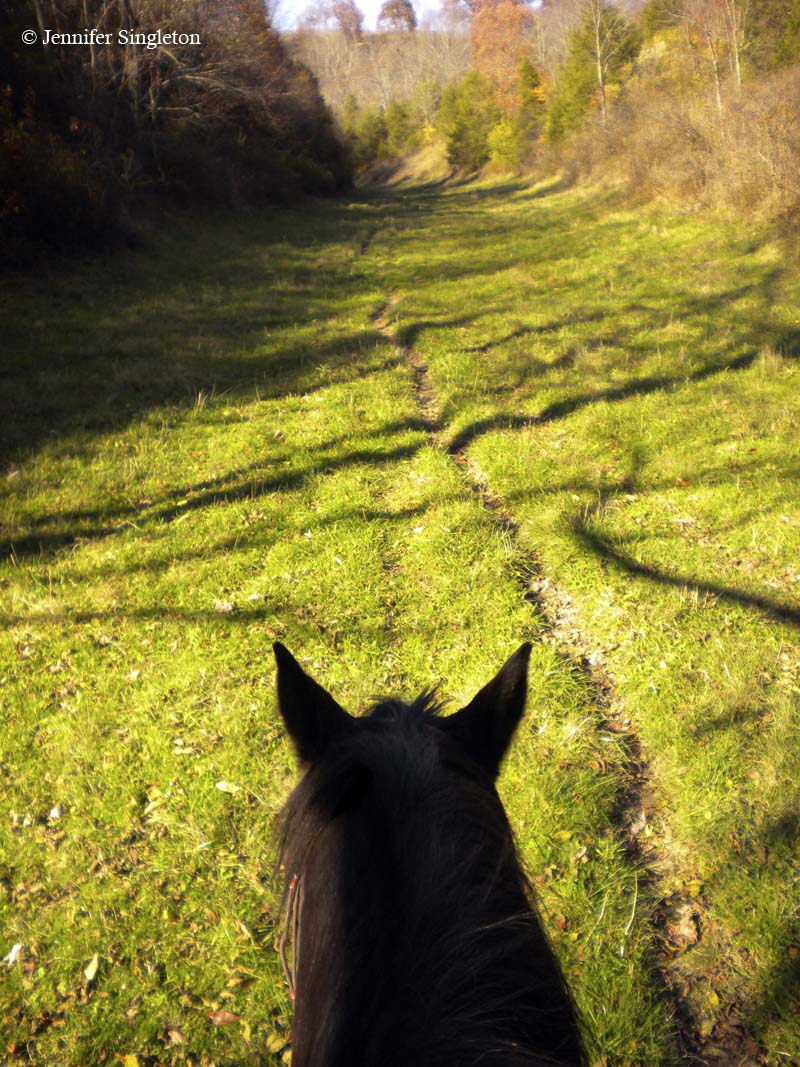
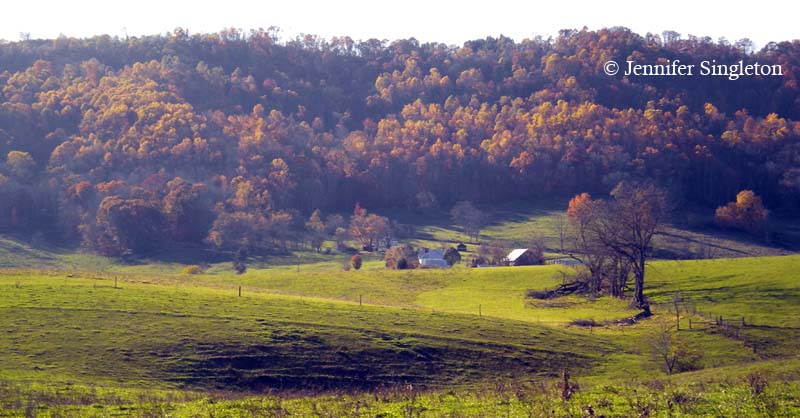
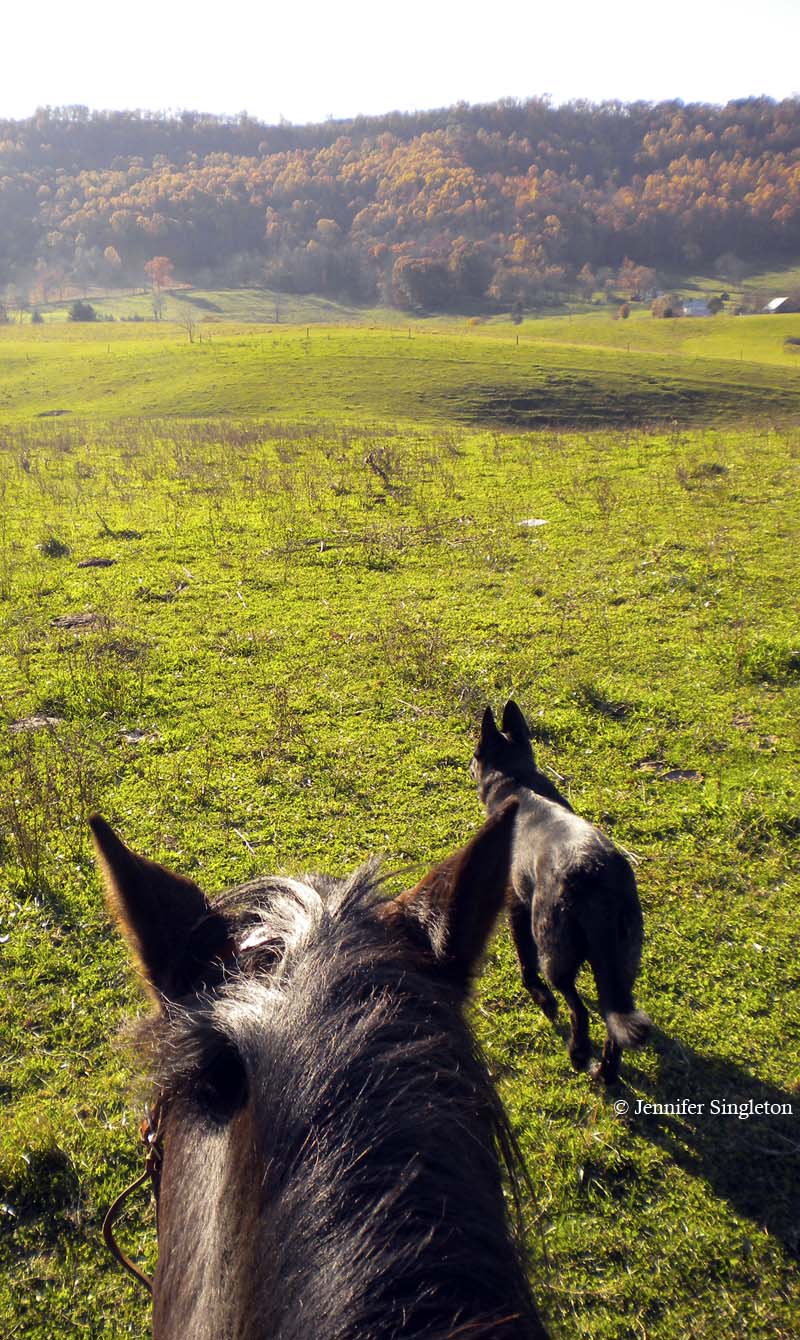
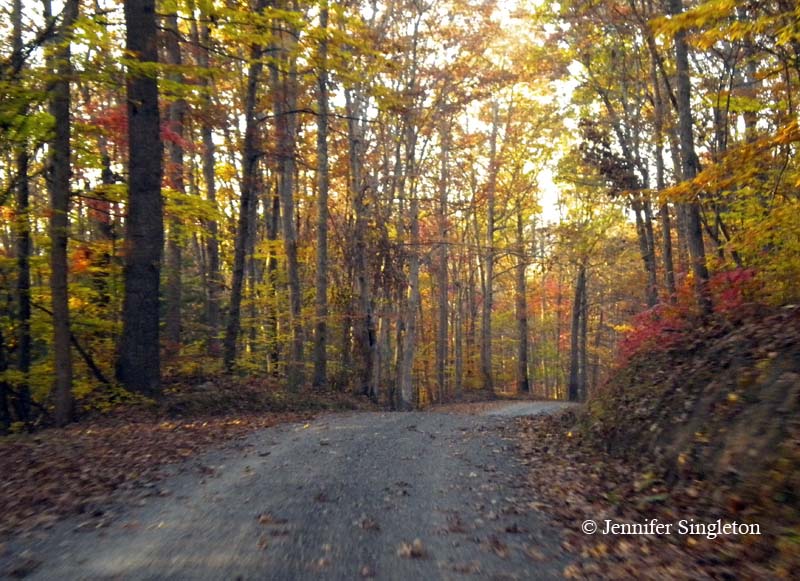
One of the highlights of my brief but delightful stay in Lewsiburg was the trail ride my hosts took me on. Before driving around the countryside to see some of the sights, two of which I’ve shown you over the past couple of days, we spent part of the glorious afternoon on horseback, wandering through the woods, along a dry creek bed, and through fields.

.

.

.

.

.

.

.

Needless to say, I’m already looking forward to my next chance to visit Lewisburg to see friends, take more photos, learn more about the local history, maybe go for a carriage ride, and definitely go for another trail ride.

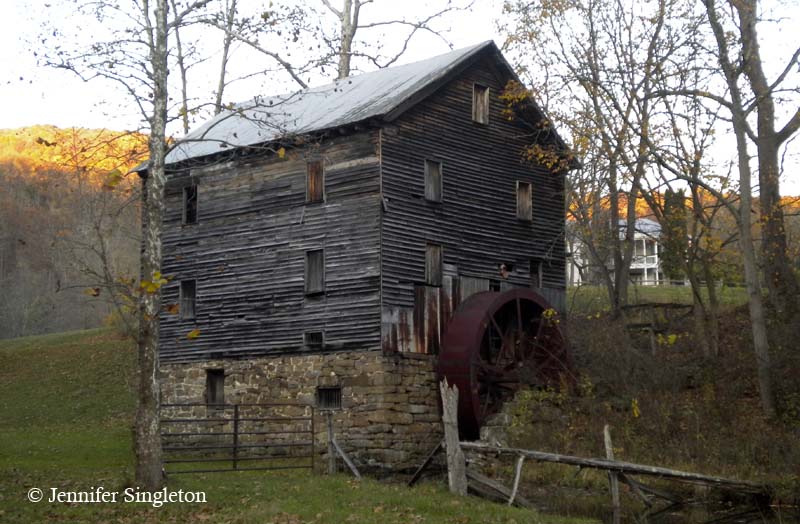
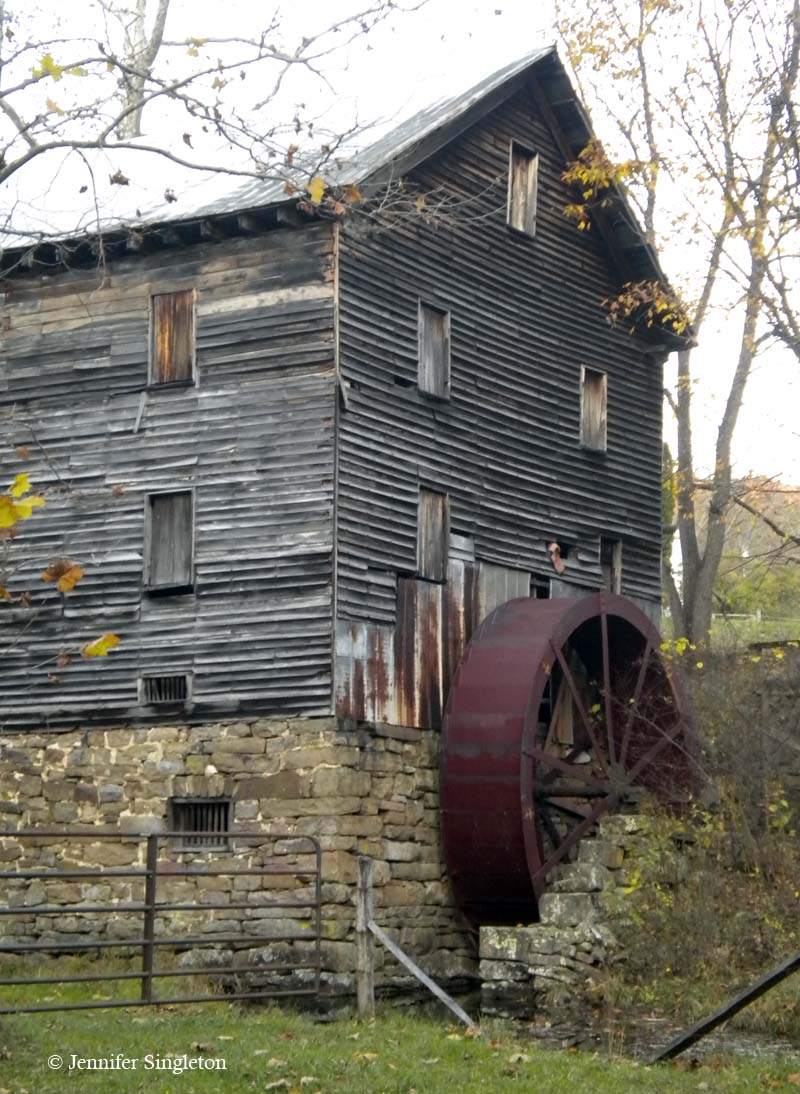
During my tour of the area around Lewisburg, WV, we visited this beautiful old mill.

.

… the road down to the mill …

.

.

.

.

back when the mill was in operation, this white building was a general store

.

« Previous PageNext Page »