France


Today and tomorrow, we’re going back to the CIAT Cuts (held in Cuts, France, back in May). The second morning of the competition featured the “country drive” phase …

.

.

.

.

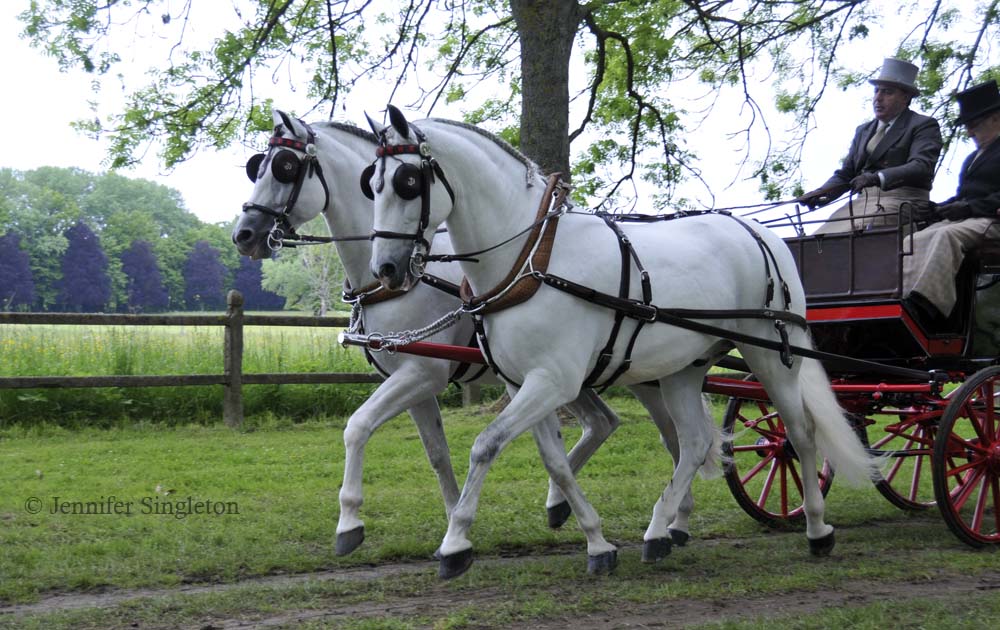
To read more about the entire Cuts competition, see our (A.J.’s and my) article in the August issue of The Carriage Journal. And to see Jacinto Planas Ros (above) and his pair of Spanish horses negotiating one of the exciting driver’s tests during the cross-country drive, check back here tomorrow!

A.J. and I wrote an article about the Cuts CIAT (which, as you may recall, we visited in May) for the August issue of The Carriage Journal. To illustrate it, I went through the several hundred photos that we’d taken over the two days of competition … and selected about twenty “finalists.”

These few, for one reason or another, didn’t make the final cut and so won’t be in the pages of the magazine, but I wanted to go ahead and share them with you here. I do still plan to post more photos from Cuts; needless to say, those won’t be the same ones featured in the magazine. I’m hoping to do this next week, now that the August issue is FINISHED. I hope you enjoy these, and stay tuned for more … both here and in the magazine!

.

With the chateau in the background, Dominique Posselle (France), driving a mixed pair to an original-condition dog-cart built in 1899, is heading out on Sunday morning’s cross-country drive …

.

Antonio Gutierrez (Spain) brought a traditional Andalusian turnout to the Cuts event. The carriage is a roof-seat break, built by Brewster in 1870. Here, he’s driving up to the third and final judge’s stop in the presentation phase …

.

John Brown (Great Britain), shown here on the cross-country-drive phase, drove a pair of Gelderlanders to a demi-mail phaeton built in 1844 …


.

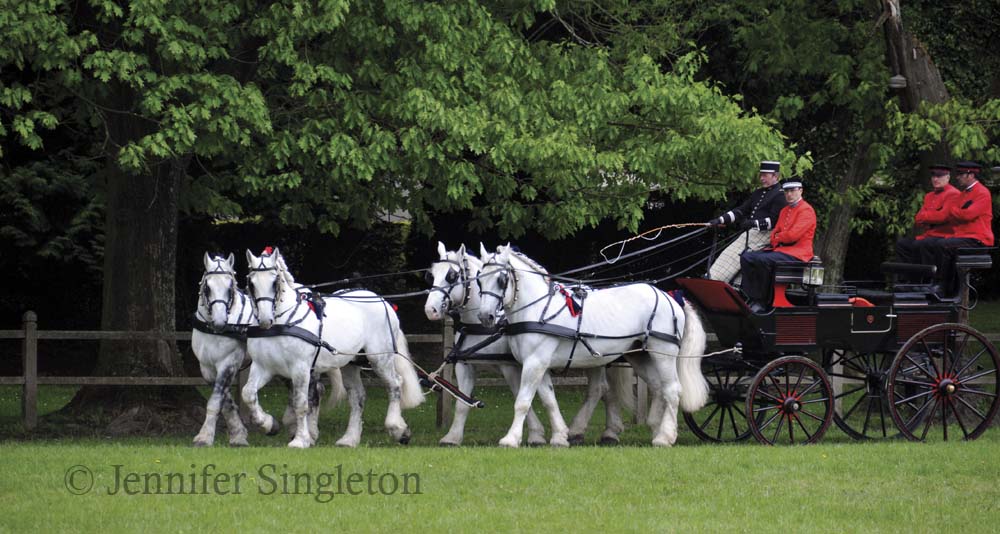
This was the first year at Cuts for the Percheron stallions of the local state stud farm at Haras …

.

Hugo Livens (Belgium) and his pair of New Forest Ponies, put to a 1905 derby cart, are shown here on the cones course. This turnout won the cross-country and cones phases, and the overall award, in the pair-pony division …

.

A couple of days ago, I shared a few photos from our visit to Omaha beach.

Today, on the sixty-ninth anniversary of the D-Day landings on the Normandy coast, I thought I would share a few more photos from our visits last week.

First, another look at Omaha …

.

.

.

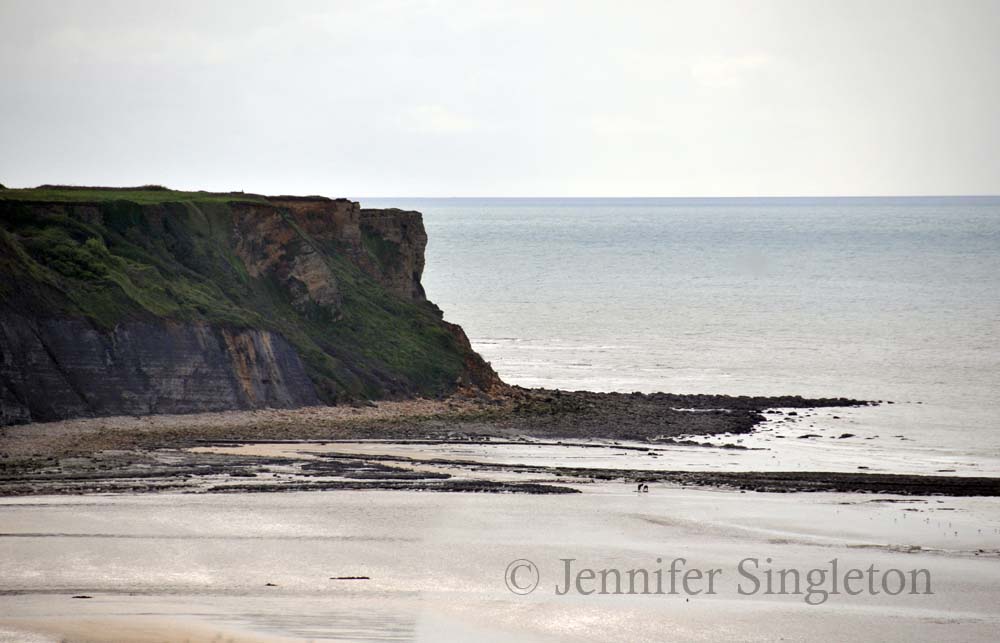
A couple of views of the coast at Arromanches, and one from the cliffs, looking back toward the town itself …

.

.

.

.

Looking out to sea from the remarkable preserved-as-it-was-left German gun battery at Longues …

.

.

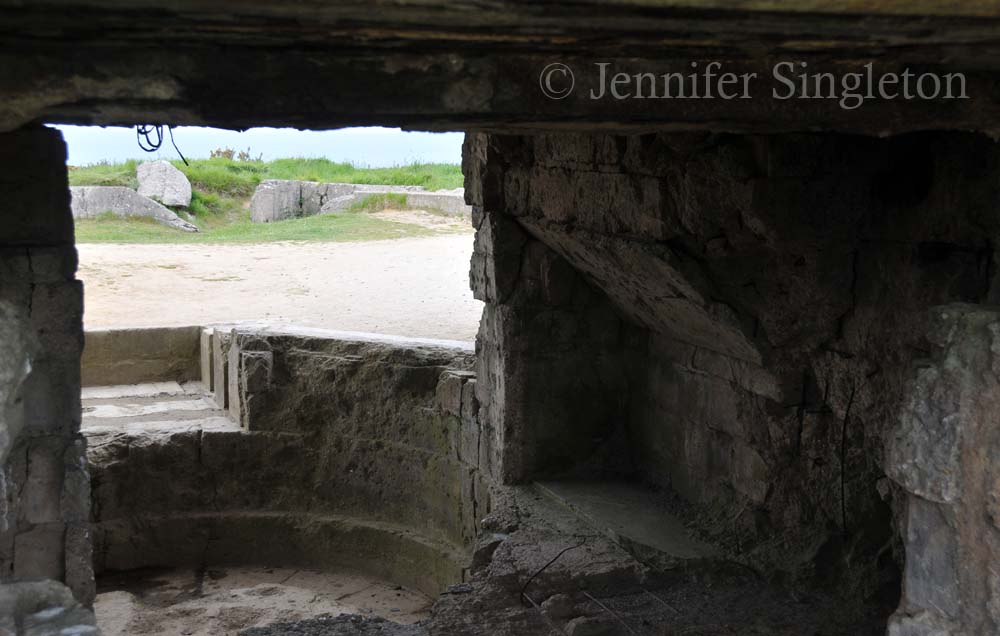
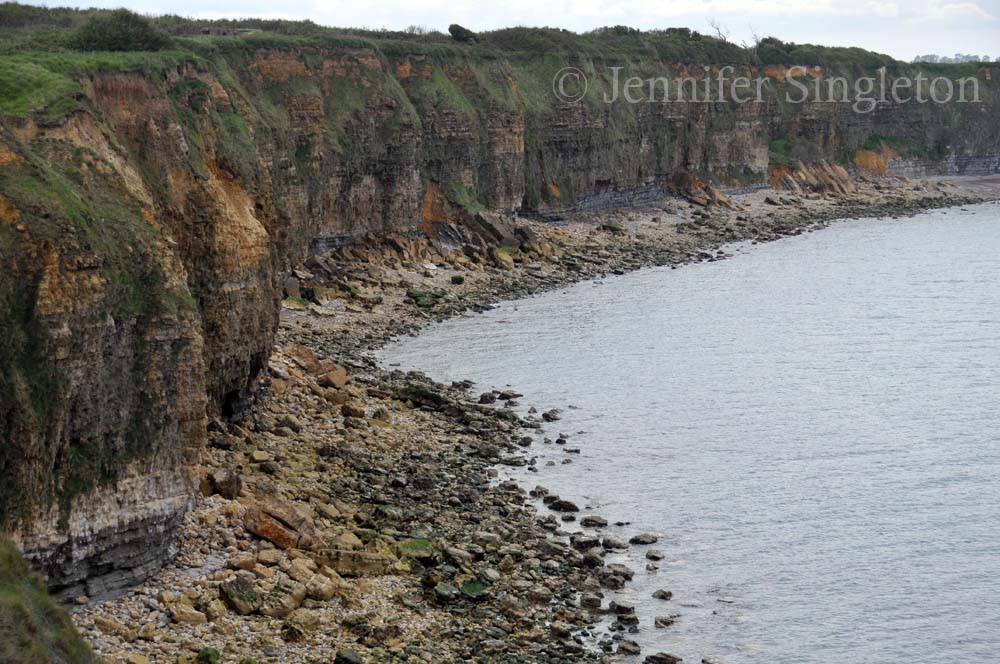
And, finally, several views of the craters, the gun-turret remnants, the cliffs, the coast, and the monument at Pointe du Hoc …

.

.

.

.

.

.

.

.

.

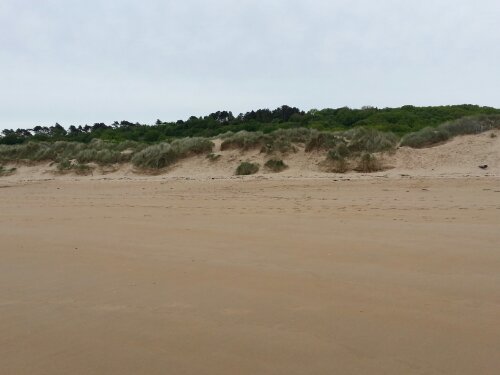
This is rather off topic, but I thought I would share another then-and-now set of photos from our recent trip. While we were in Normandy, we visited several of the D-Day sites, memorials, cemeteries, etc. One of these was Omaha Beach. I understand that one of the things that made June 6th, 1944, so incredibly difficult for the American soldiers landing on that beach was, in fact, the beach itself … it’s incredibly wide and flat and completely without cover from the gunfire that rained down on them. Those same features, especially if one is visiting on a cool, gray day when hardly anyone else is there, now make the beach a remarkably beautiful, peaceful place.

.

.

.

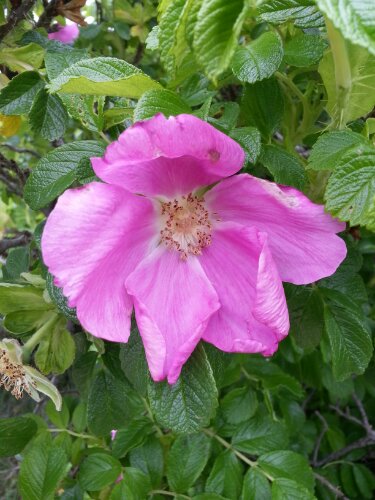
As we were leaving the beach, we walked for a bit along the trails on the dunes, which are now a nature preserve and filled with greenery, flowers, and birds …

.
.

And then we happened on to this, just over the crest of the dunes:

.

.

The visitor-information plaque says, “On 6 June, at around 10 a.m., hundreds of men were stuck on this beach amongst the destroyed landing crafts. In front of them was the small Ruquet valley, protected by two fortified points. Today, all that is visible is one large gun in its blockhouse [above]. It was hit by fire from an approaching vessel 1 km (1,000 yards) away, and was destroyed for good by a ‘half-track.’ The U.S. engineers immediately opened this road toward the plateau, and at around 3 p.m., the heavy U.S. equipment took this first, and only, cleared exit from the Omaha site. The 1st Division ‘Big Red One’ used the blockhouse as a command post, and soon, thousands of GIs took this road to liberty.”

This photo, from the information plaque, shows a 1944 view of the same blockhouse we visited, from about the same vantage point.

.

.

… Well, not really. We’re back home in Kentucky now. But, as I have so many photos to share, we’ll still be in France for quite a while here on the blog.

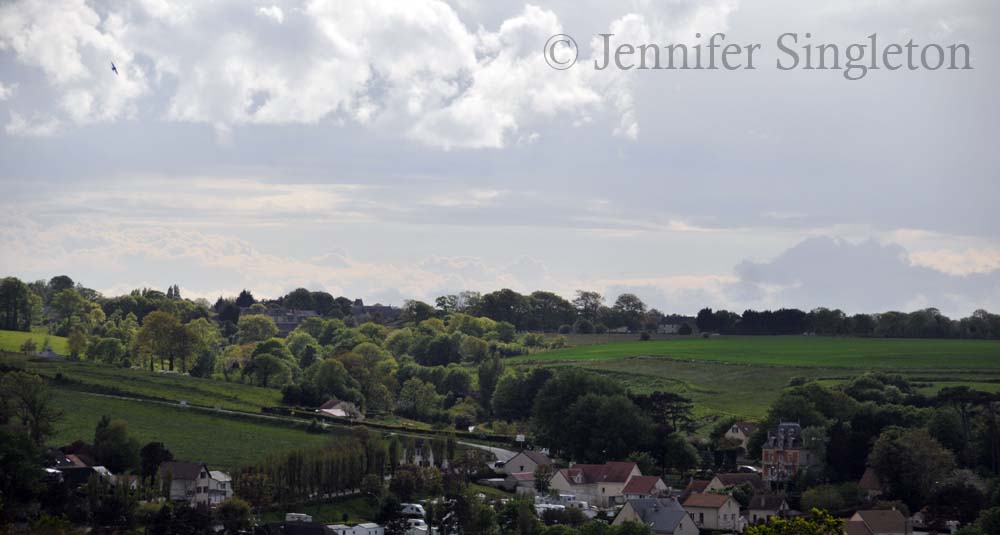
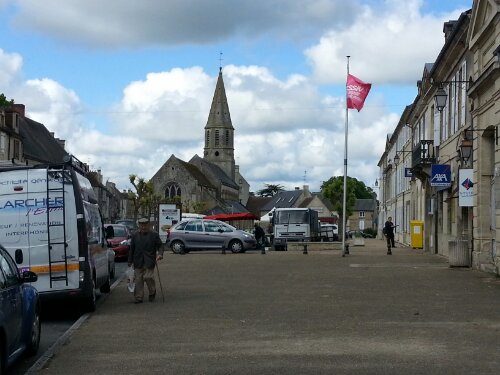
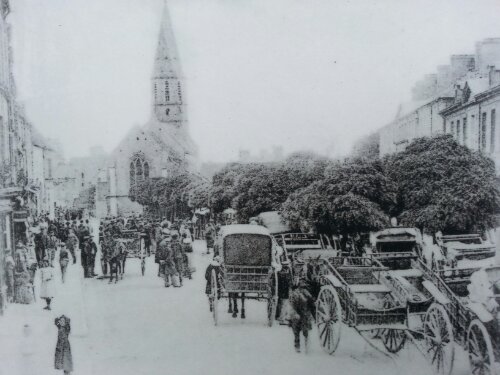
One of the villages we visited is called Creully, and we happened to visit while there was a small outdoor market in the square …

.

.

On one of the village’s tourist-information plaques, we saw this photo, taken from nearly the same spot as the one I took above, of an earlier market day … when all the vehicles were horse-drawn.

.

.

« Previous PageNext Page »