reference


I have so many photos from the Light Trade Vehicles class at the Royal Windsor Horse Show that I’ll be sharing them with you in three parts.

Today: some of the various entries in the class, which featured a tailor’s vehicle, fruit-&-veg sellers’ wagons, a butcher’s cart, a small Royal Mail vehicle, a milk float, and more.

Tomorrow: the class champion. (Can you guess who it might’ve been?)

And Saturday: some of my favorite details from the champion vehicle.

Enjoy!

.

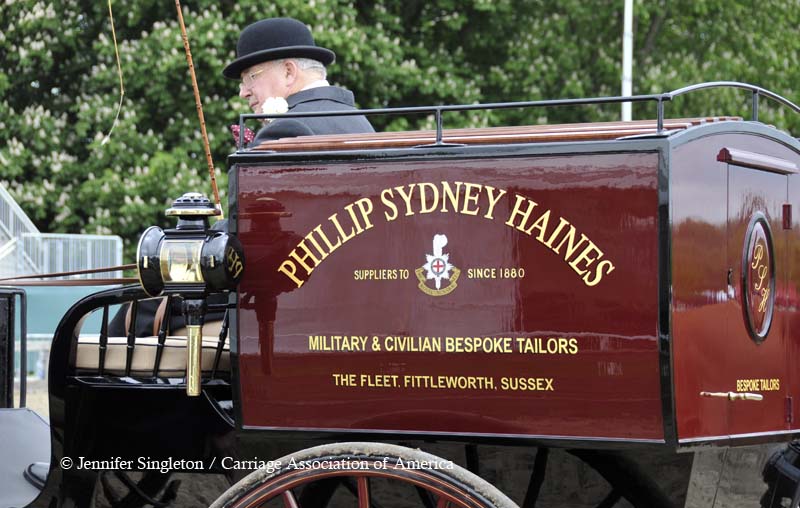
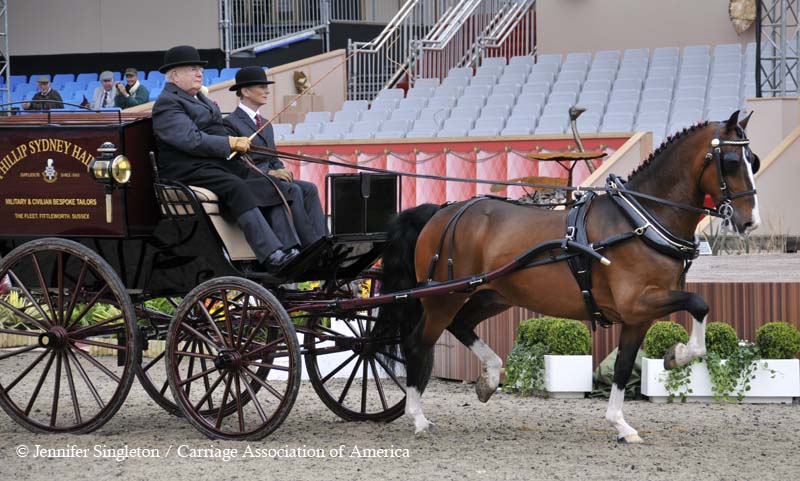
This tailor’s vehicle was inspired by the owner/driver’s grandfather, who was a tailor:

.
.
.

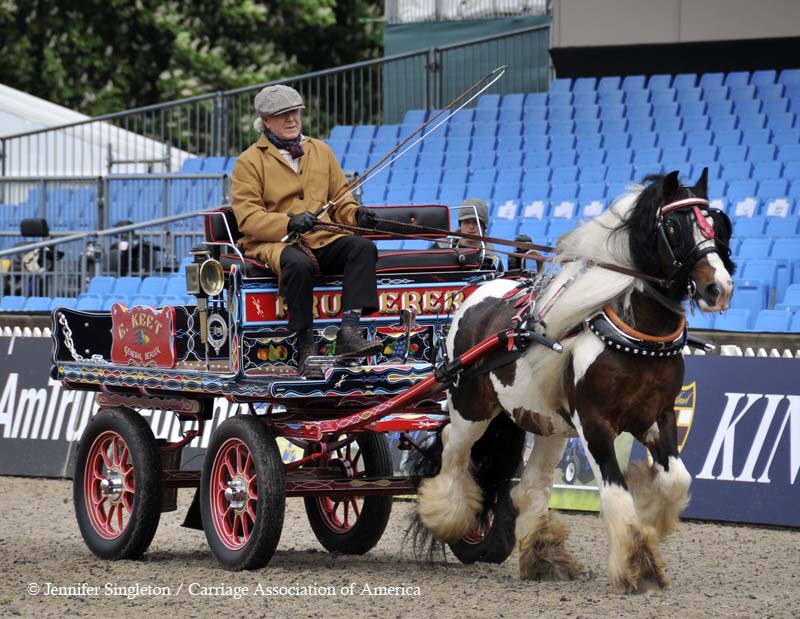
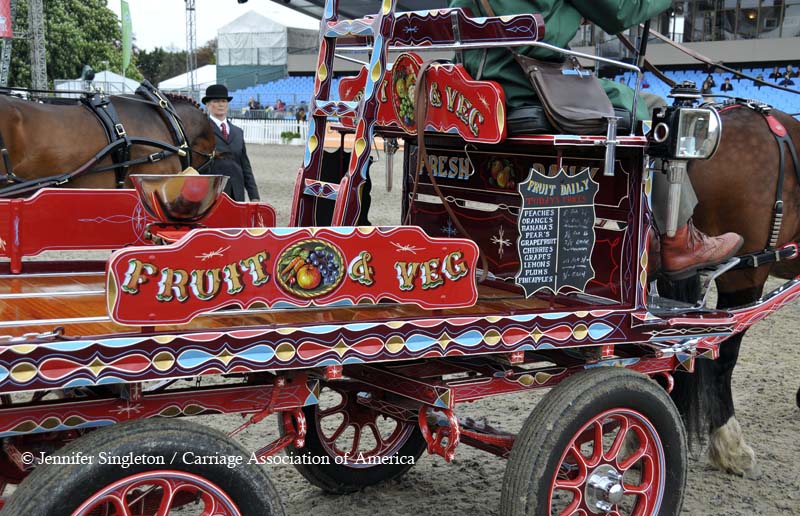
One of the two fruit-&-veg sellers’ wagons …

.
.

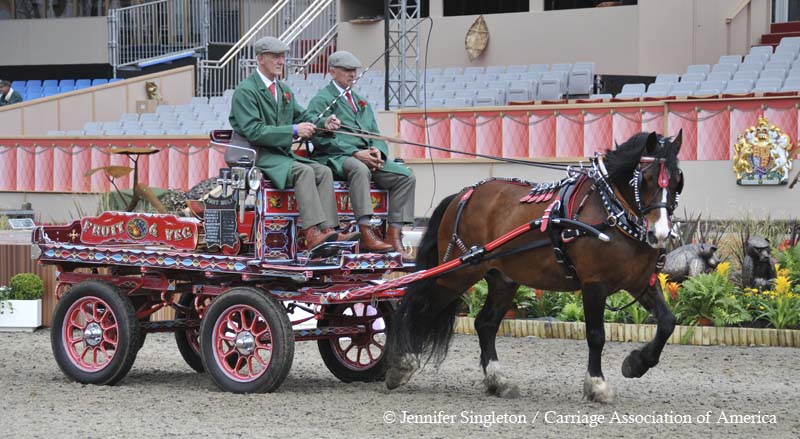
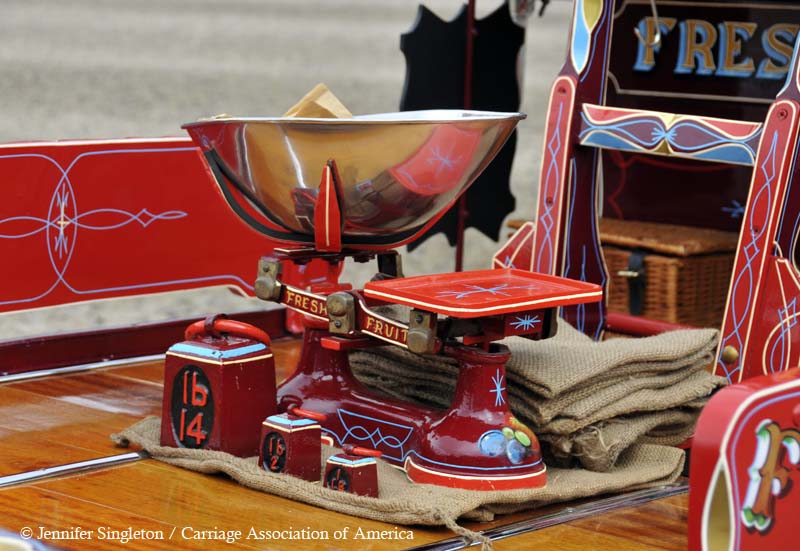
… and three views of the other one:

.
.
.
.

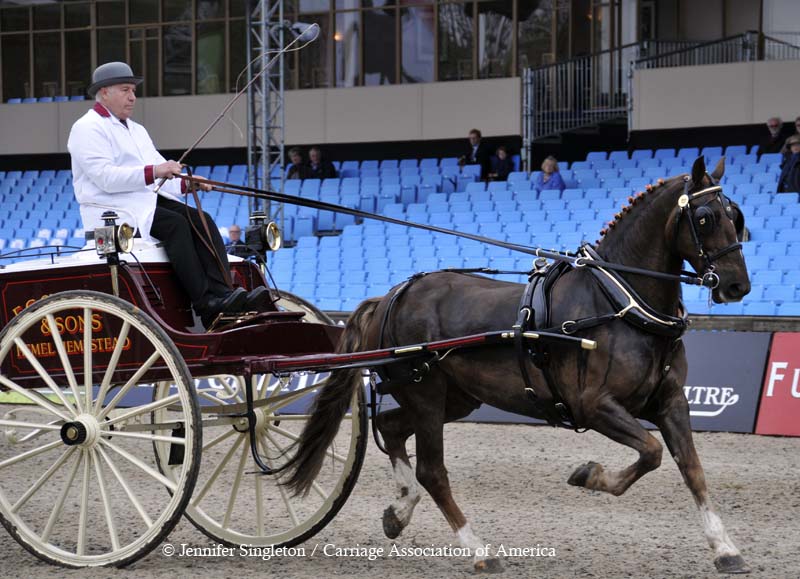
The butcher’s cart, and the butcher’s pony:

.
.

.

The lovely small Royal Mail vehicle:

.

.

.

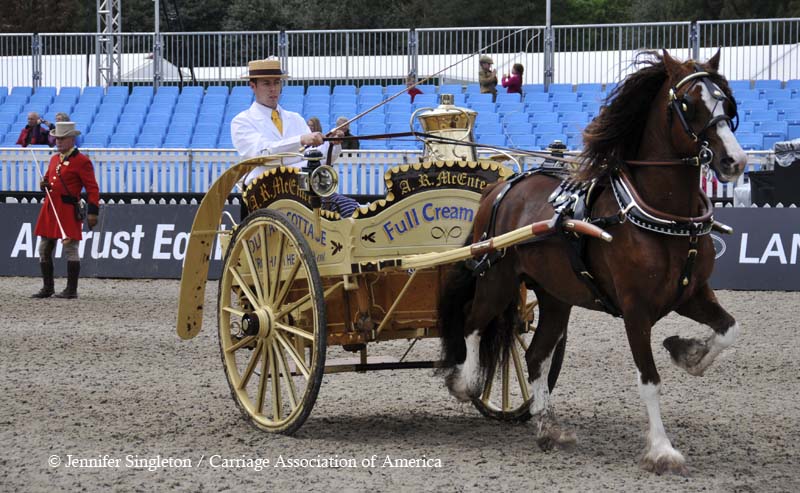
And, finally, the beautiful milk float:

.
.

.

As I mentioned in yesterday’s post, I’ll be sharing some lovely old images from a French book called Voitures & Attelages. Today, let’s look at a fancy Post Chaise from the era of Louis XV, who ruled France from 1715 until 1774 …

.

.

Katharine came into my office yesterday and handed me a book. She had been looking in the CMA’s library for something and had come across a 1942 French publication called Voitures & Attelages. It’s full of beautiful engravings, each showing a different type of carriage and its accompanying harness. The text, of course, is all in French, but I assume that it would tell us about the various vehicles and how each one would’ve been turned out in its heyday. Interestingly, in each image, the vehicle, harness, and livery are all in color, while the horses and backgrounds are nearly all done as simple black-and-white line drawings, so that the important details really stand out.

Because these images serve as such wonderful references, I’m going to share most of them here with you over the next couple of weeks.

We’ll start — today and tomorrow — with two rather elaborate vehicles. Today’s is an elaborate coach from the era of Louis XIV, who ruled France from 1643 to 1715.

.

.

I was sticking loads of stamps on stacks of envelopes today, for a big mailing we’re doing, and I started thinking about horses and carriages / wagons on stamps.

After an Internet search, I found these interesting specimens: a 1958 stamp celebrating the hundredth anniversary of Butterfield’s Overland Mail service to California; a 1974 stamp honoring the hundredth anniversary of the Chautauqua tradition in rural America; a 1983 stamp honoring America’s first streetcar (1832); a 1983 stamp honoring a 1926-era style of streetcar; a 1989 stamp with a Stagecoach; and this 1996 stamp honoring the U.S. Post Office’s Rural Free Delivery service.

As I mentioned yesterday, A.J. and I picked up two old books at an antique store last weekend. The first was a sweet little children’s book from 1869.

The second is a paperback reprint of an earlier book on training horses, from 1877. The earlier version was published in 1872.

.

.

In a relatively quick online search, I was unable to find out anything else about Mr. A. H. Rockwell, but he and his fellow horse trainer and co-author, Mr. E. A. Hurlburt, had devised a method of driving without reins, which they demonstrated at exhibitions throughout New England and New York in the mid-1800s.

.

.

The book begins with their “History of the Famous Horses Tiger, Star, and Mazeppa, and Other Horses Driven Without Reins,” which I may delve into here on the blog at a later date, just because it’s so unusual.

The rest of the book contains Mr. Rockwell and Mr. Hurlburt’s methods for (in their words) educating horses. Most of the procedures and gadgets described and illustrated in the book look quite cruel and unusual by today’s standards. But the authors insisted that they were not mere horse-tamers; that they were, in fact, able “by careful, patient, and kind treatment [to] guide, direct, and teach the horse what is required of him.”

.

.

Click on the image above to enlarge it, if you’d like to read the fine print on the right-hand page.

« Previous PageNext Page »