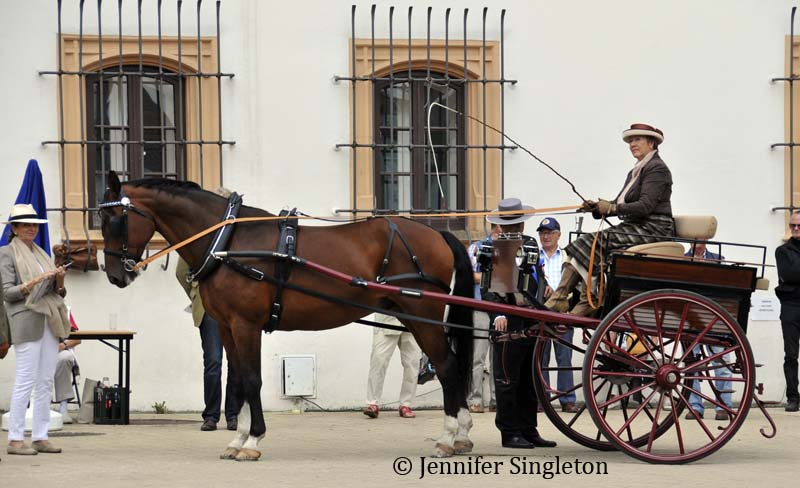
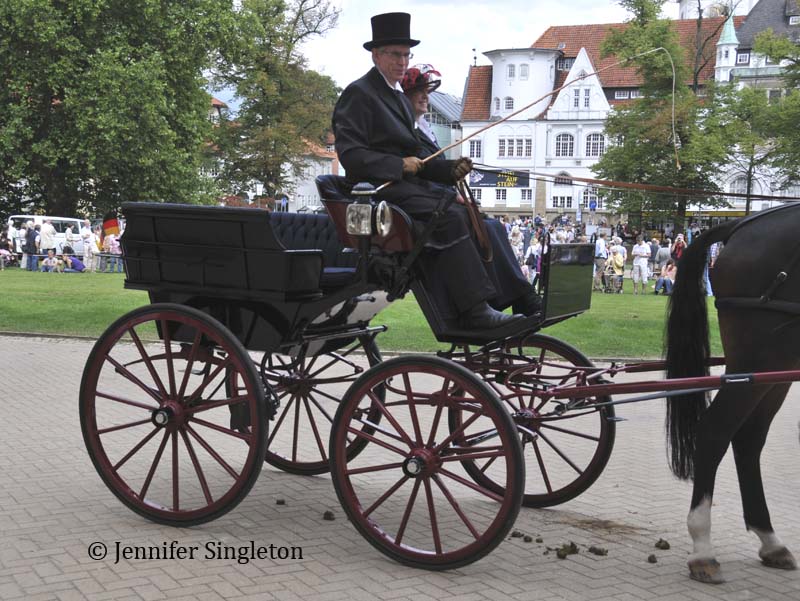
carriages / carriage types


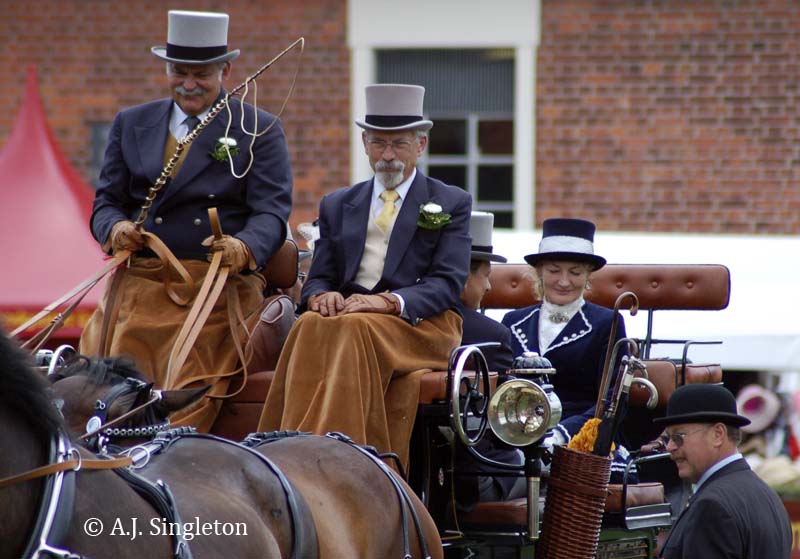
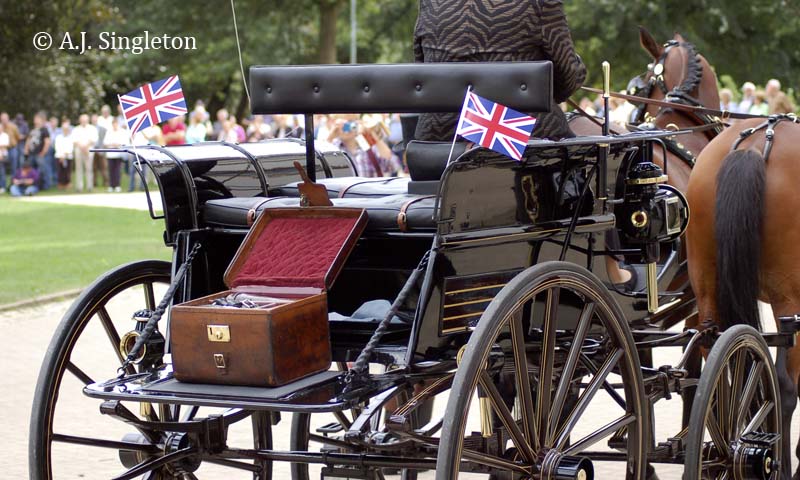
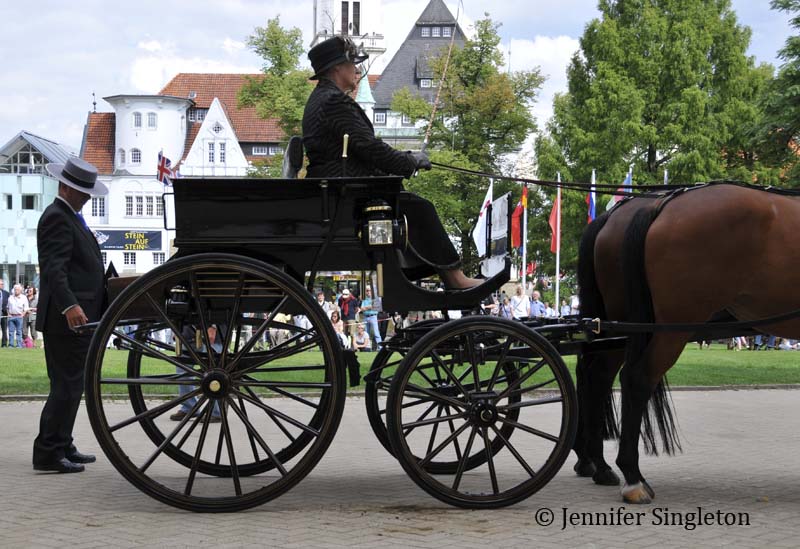
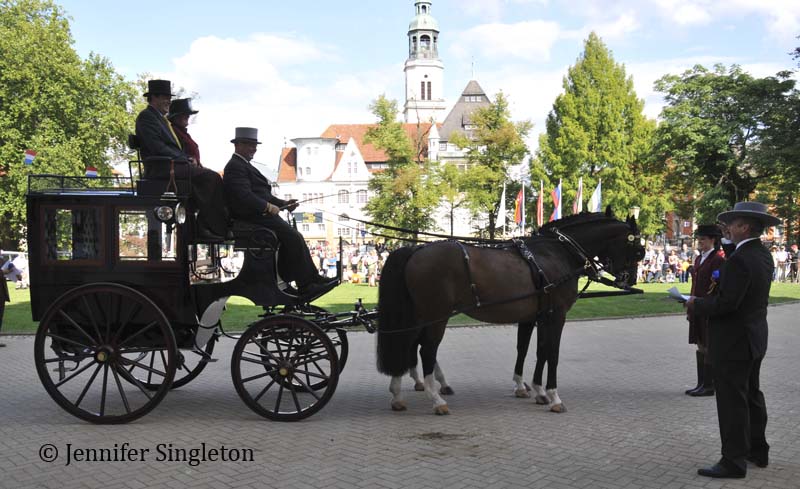
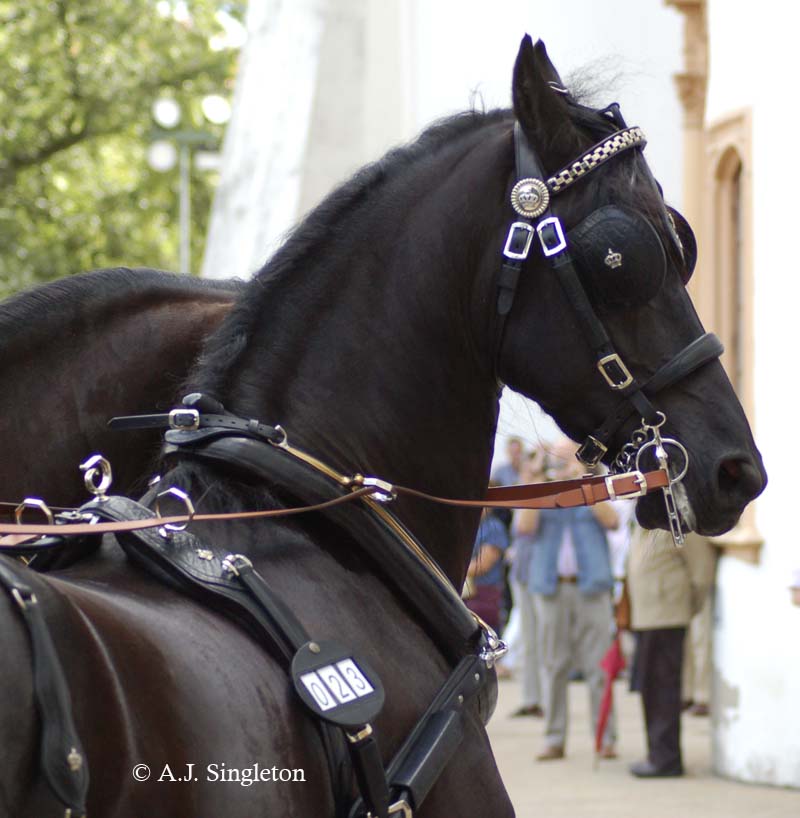
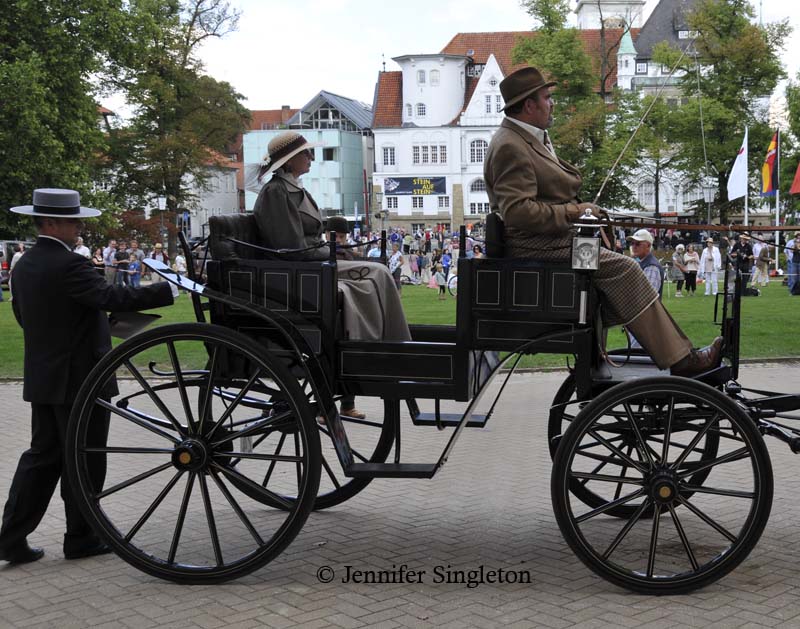
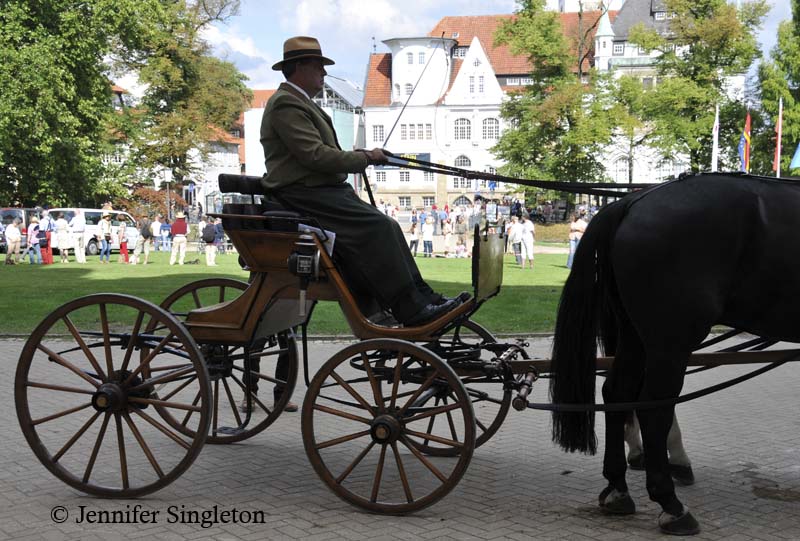
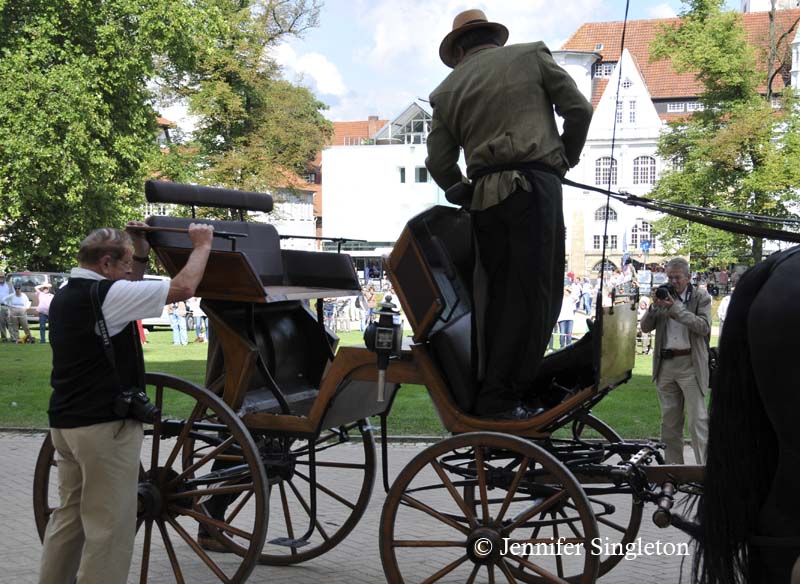
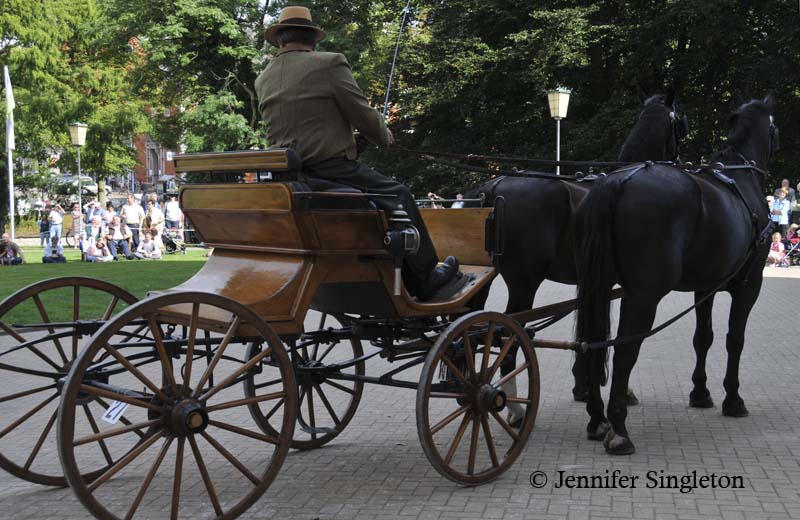
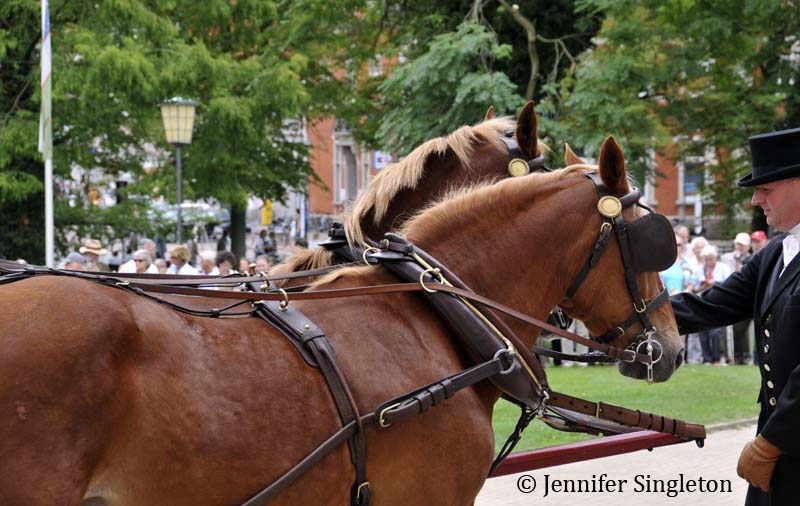
And, finally (well, for the presentation phase, at any rate): here are a few views of Krzysztof Szuster’s five-in-hand, put to a 1901 Break de Chasse (Hunting Break). The driver, his passengers, grooms, and horses all made the trip to Celle from Poland.

.

.

.

.

.

.

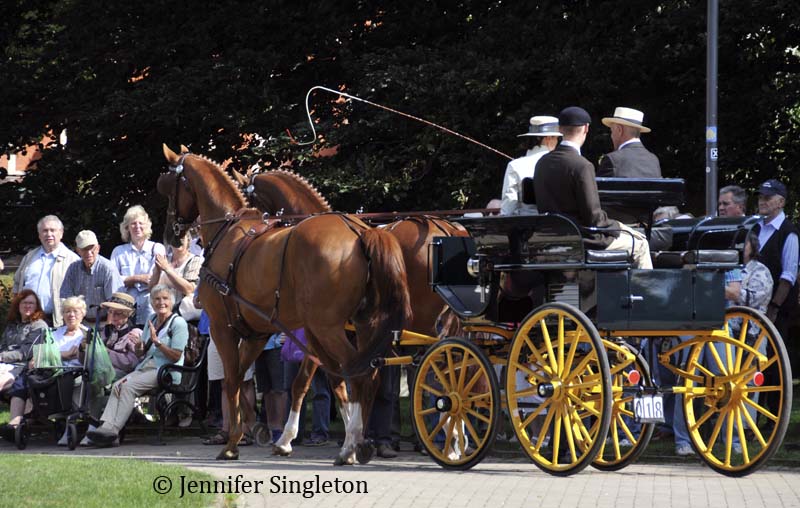
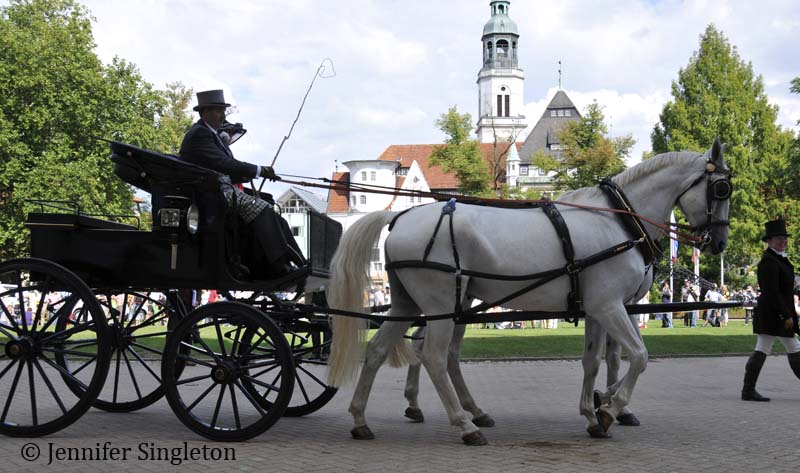
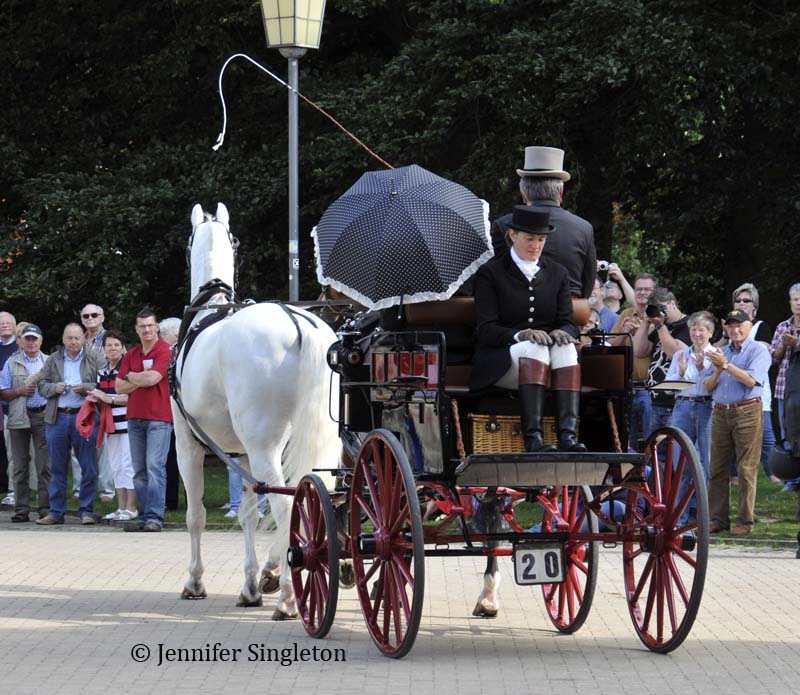
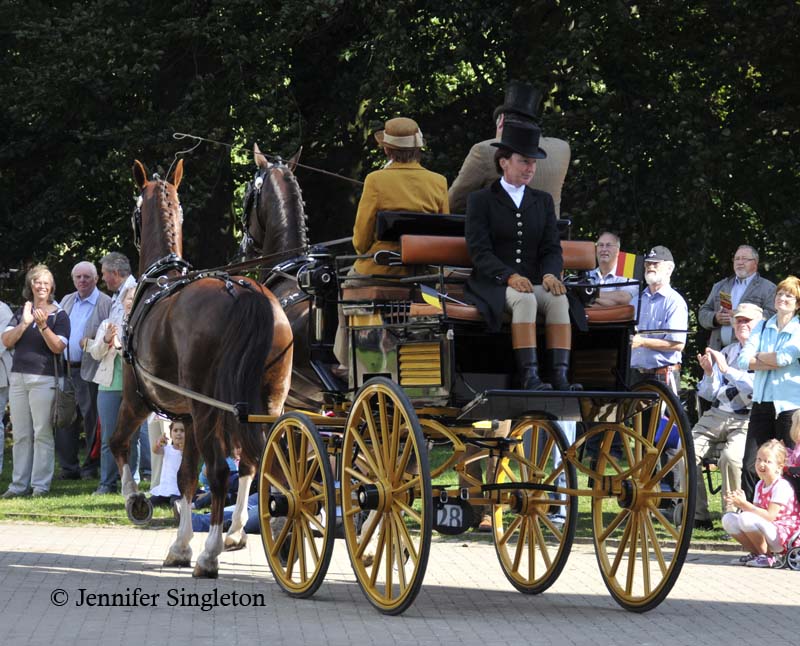
Today, I offer three of A.J.’s “artsy” photos of a few of the four-in-hand teams that competed at the recent Celle CIAT:

.

Henri Hage, representing Denmark, drove his four-in-hand to a new (2008) coach

.

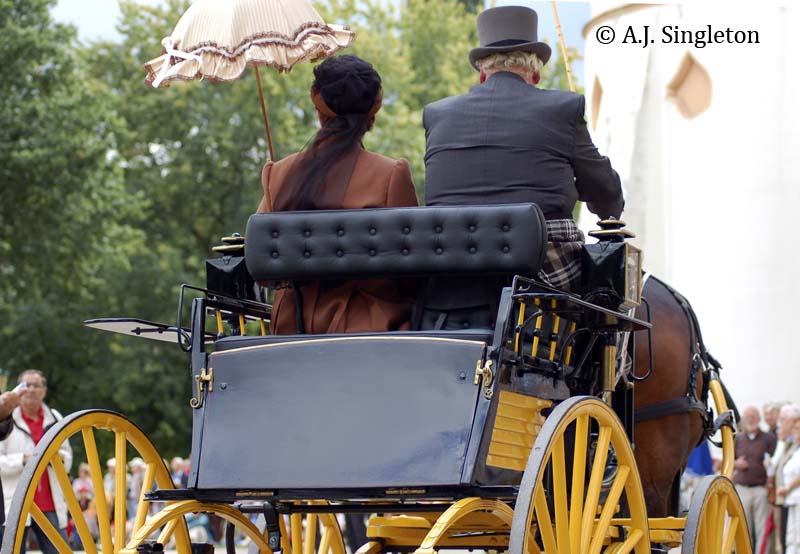
Sara Fraziska Schulz, representing Germany, drove an Omnibus, built c. 1900

.

Matthias Pfeifer, representing Germany, drove a Wagonette, built c. 1900

.

This Celle CIAT recap may take even longer than I’d planned. Both A.J. and I got a little carried away with photographing two of the beautiful tandems competing in the event.

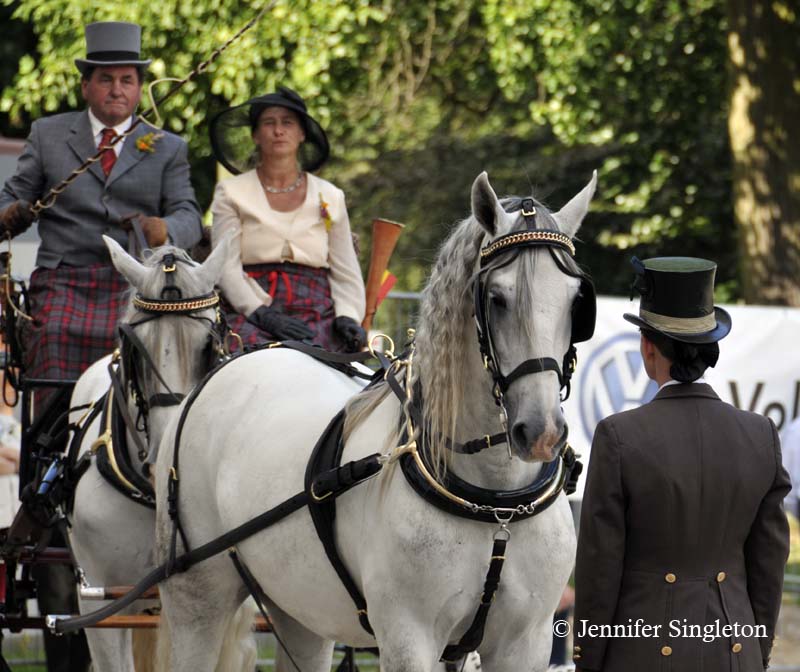
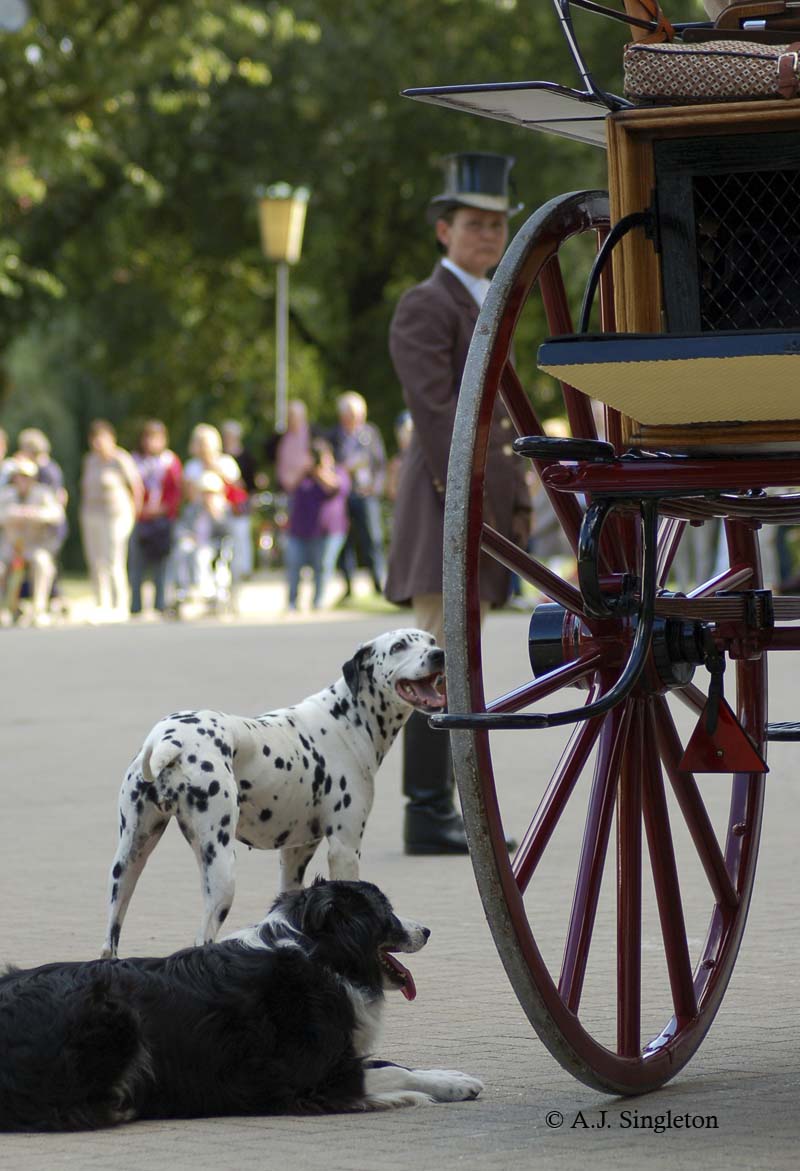
But how can you blame us, really? Both drivers had gorgeous Spanish horses hitched to lovely American-made Going to Cover Carts. And there were even dogs!

Out of four competitors in the tandem division, the first one shown here (the one we took *so many* photos of) finished the competition in first place overall in the division, and the other (shown second here) won the presentation phase among the tandem drivers.

.

First, we have Urbain van de Voorde, from Belgium, driving a Going to Cover Cart built c. 1900. We even had the good fortune to meet these two lovely dogs on Friday evening.

.

except for an “extra” fifth hoof, this looks like a single, but it is actually a tandem

.

.

.

.

.

.

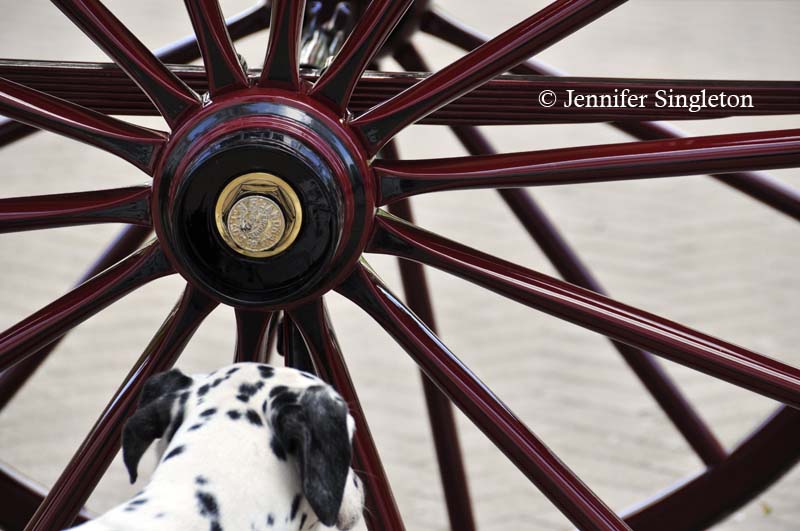
you probably can’t read this axle cap, but it says, “Flandrau & Co., N.Y., Broome St.”

.

.

.

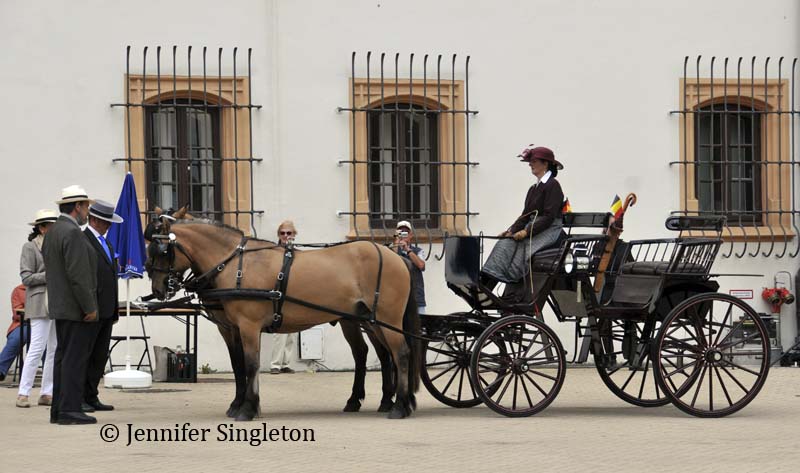
Next up was Danielle van der Wiel, representing her native Great Britain and driving a Brewster Going to Cover Cart, built c. 1890.

.

.

.

.

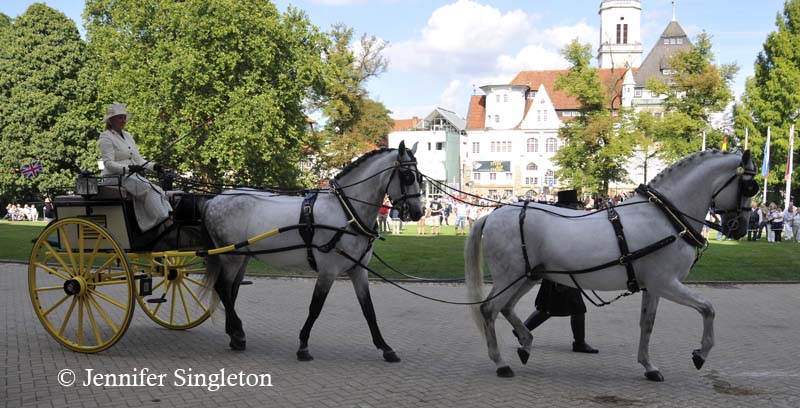
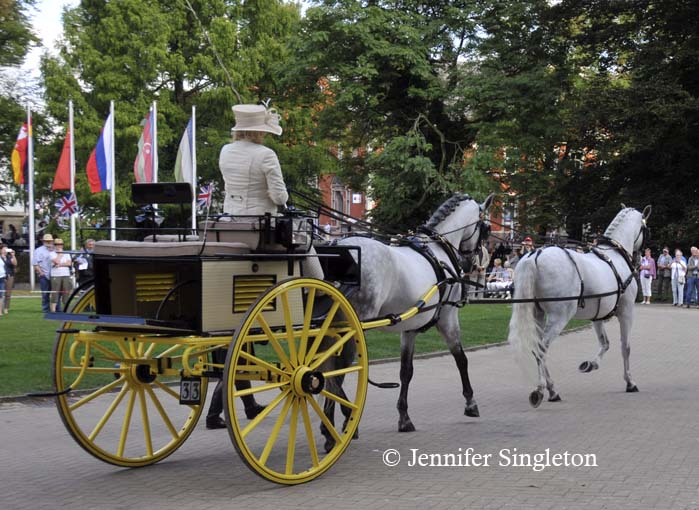
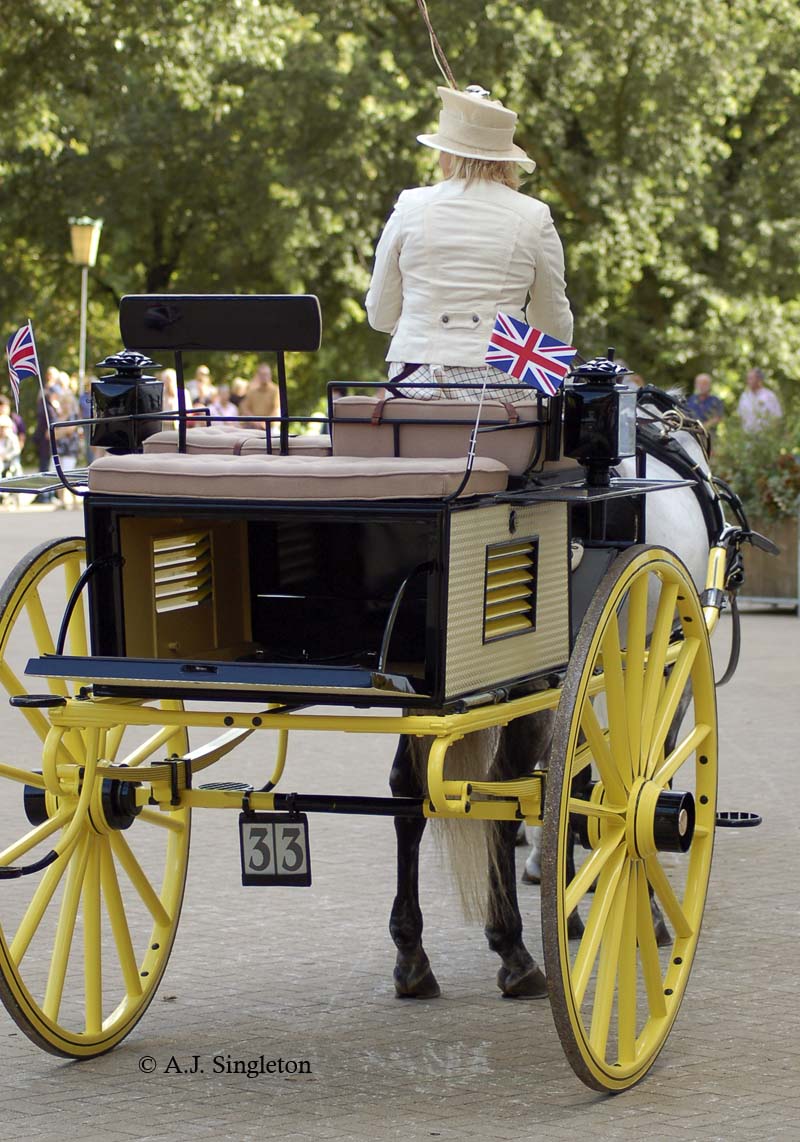
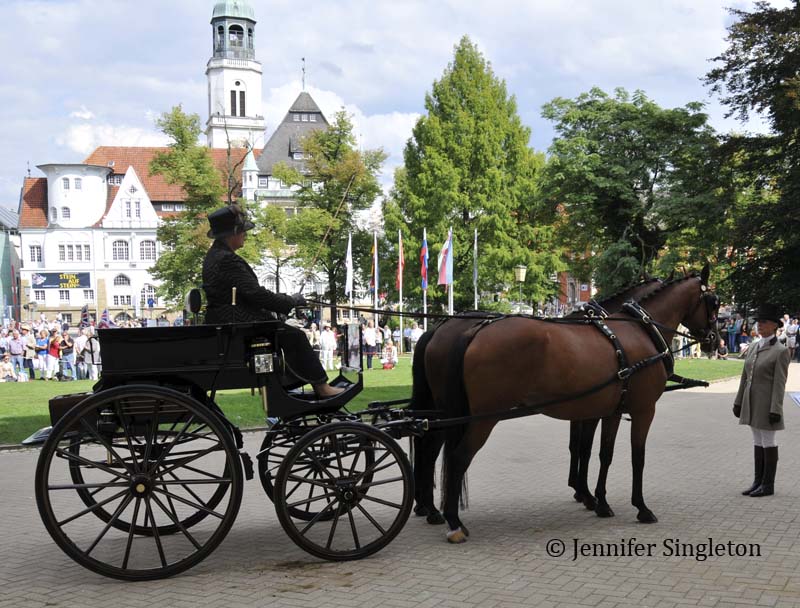
Here are some of the pairs of horses from the Celle CIAT …

.

Representing the United Kingdom, Elizabeth Cartwright-Hignett drove her pair to a four-wheeled Ralli Car:

.

.

.

.

.

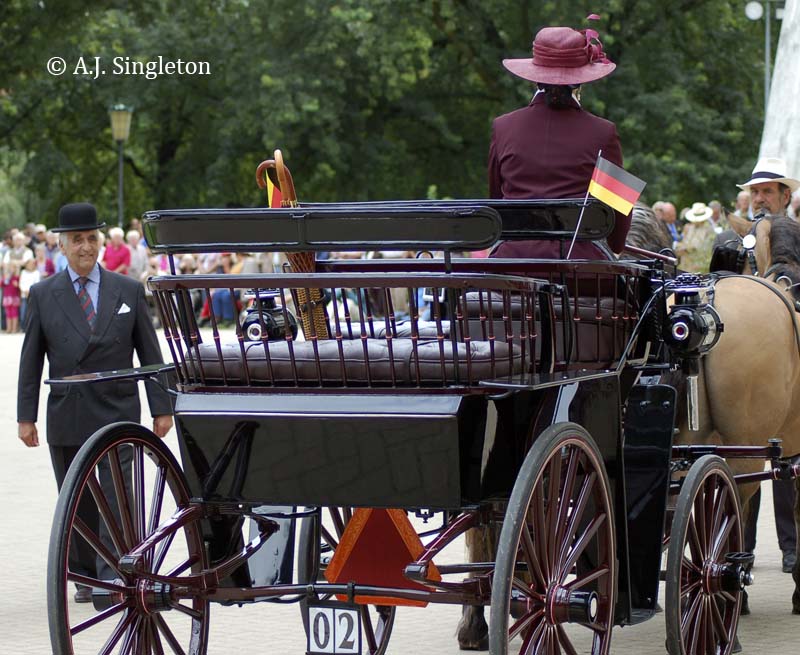
Dr. Florian Geyer, representing Austria, drove a Siamese Phaeton built c. 1910:

.

.

.

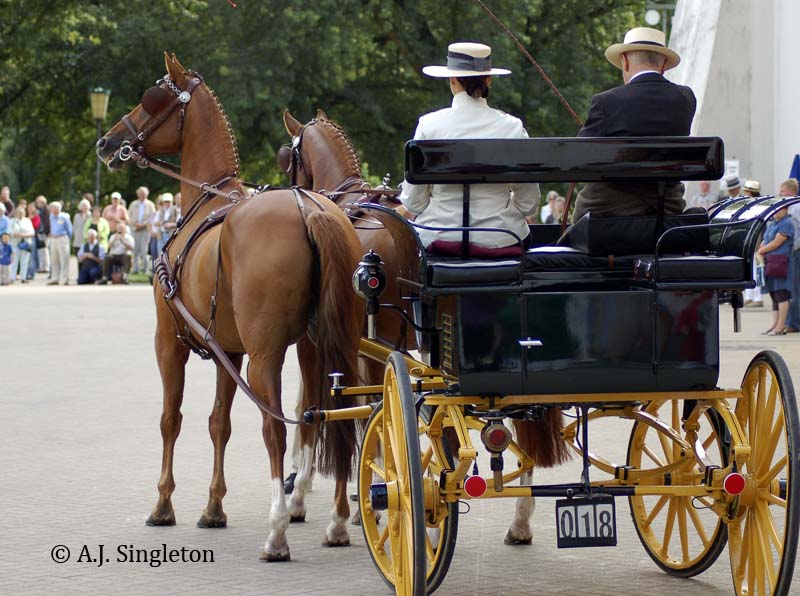
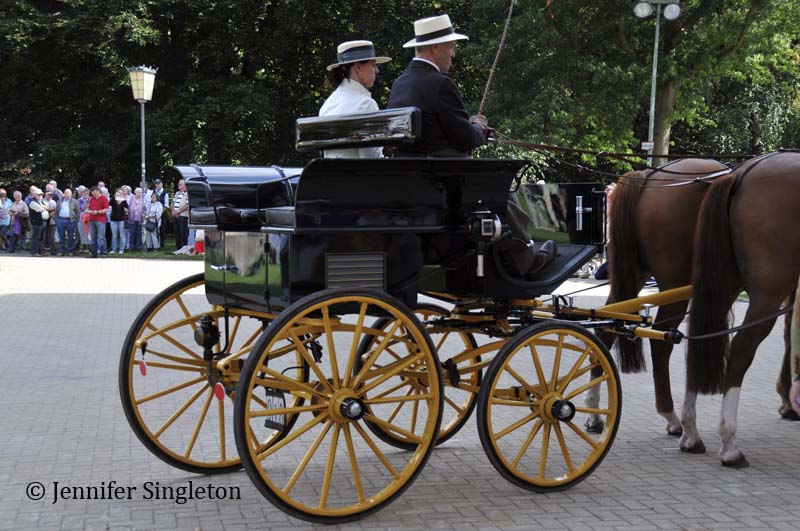
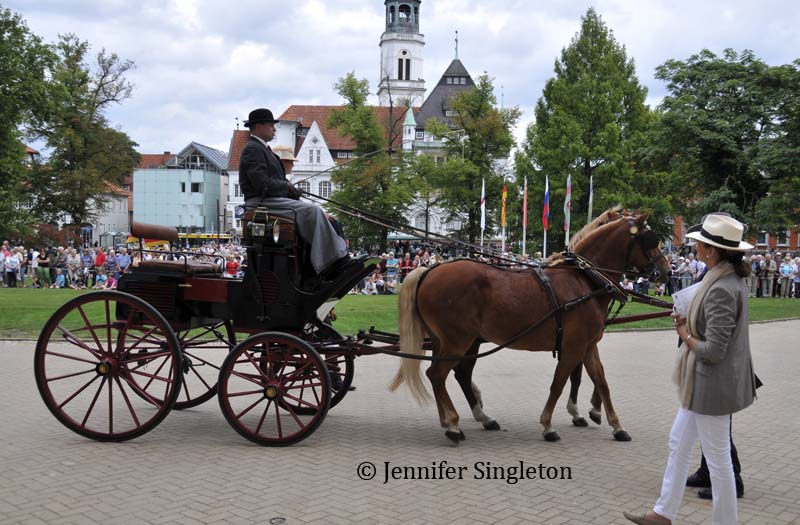
Siegfried Kusel, representing Germany, drove his pair to a vehicle built c. 1900:

.

.

.

.

.

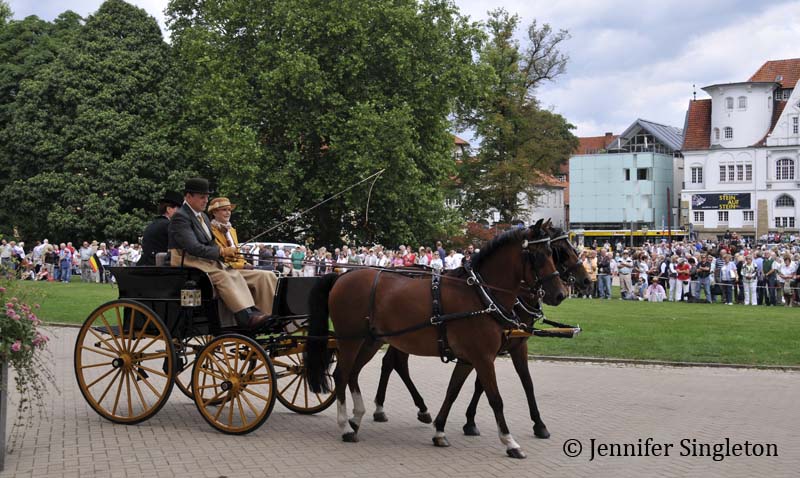
Heinrich Lindemann, representing Germany, drove a Demi-mail Phaeton, built in 1893:

.

.

.

Also representing Germany, Jürgen Matthies had his pair hitched to a Dog-cart, built c. 1900:

.

.

.

Dutch driver Bert de Mooÿ drove an Omnibus, c. 1890:

.

.

.

Hans-Jürgen Niemeyer, representing Germany, had his Friesians hitched to a Demi-mail Phaeton, c. 1890 (which, if I remember the announcer’s information correctly, was built in nearby Bremen, Germany):

.

.

.

.

Bruno Retzlaff (Germany) drove a German Jagdwagon, or Hunting Wagon, built c. 1900:

.

.

.

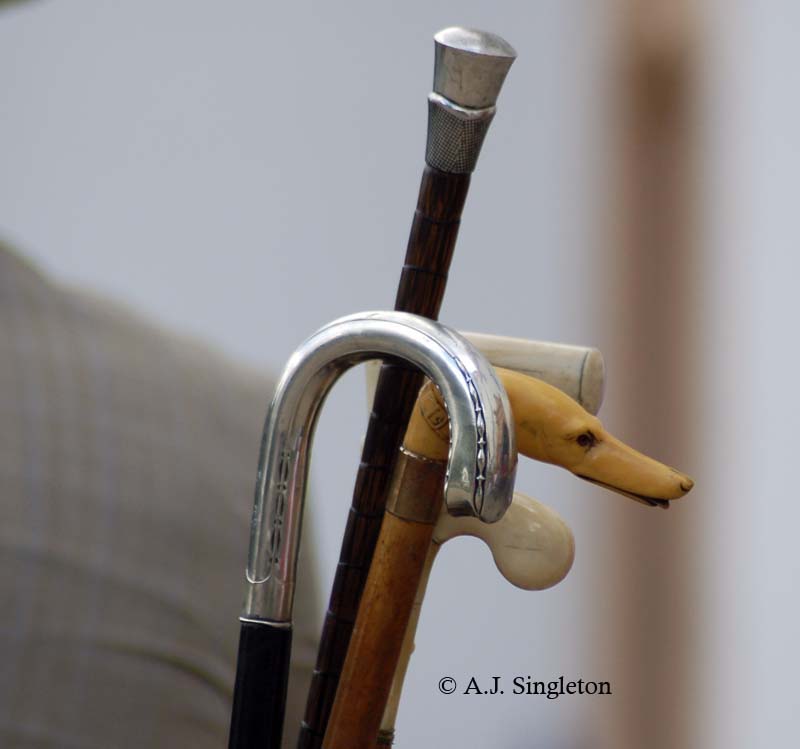
One of the walking sticks on display with Thomas Schlimgen’s Dos a Dos, c. 1900, has a dog’s head … and it’s sticking its tongue out:

.

.

.

Heinrich Schumacher, representing the local Landgestüt Celle, drove a pair of the stud farm’s Hannoverian stallions:

.

.

.

Günter Stolle, representing Germany, drove an Oppenheimer Phaeton, c. 1910. And, at the announcer’s urging and with a spectator’s help, he demonstrated how the vehicle switches easily from one to two seats:

.

.

.

.

.

.

The final pair of the day was the one owned by Belgian harness maker Henk van der Wiel, hitched to a Sporting Break, built c. 1900:

.

.

.

CIATs, which I mentioned in yesterday’s post, consist of three phases: standing presentation in front of three separate judges, a drive with several “tests” of the drivers’ skill, and a cones competition. This year’s Celle CIAT featured nearly forty competitors in several divisions: ponies, single horses, horse pairs, tandems, horse teams, and a lone five-in-hand of horses. Like the CAA’s own Sporting Day of Tradtional Driving, this type of event celebrates traditional driving and (mostly) antique vehicles.

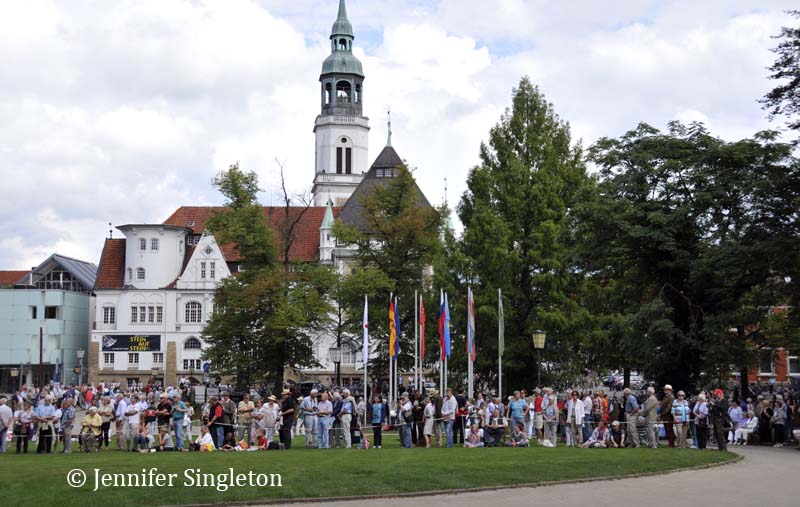
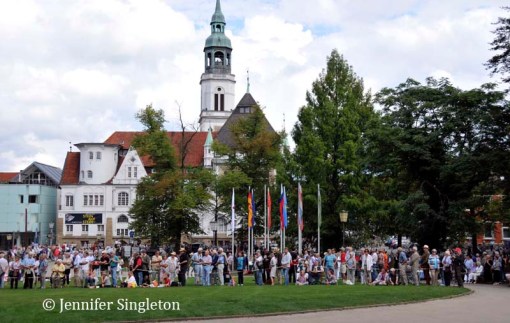
To my mind, one distinct advantage of this type of competition over CDEs is that there’s a wide variety of vehicle types, sizes, and styles on display … which makes the event both interesting and educational for spectators. And speaking of these, there were quite a lot of people on the grounds of Celle’s palace, watching Saturday’s presentation competition:

.
.

A.J. and I stationed ourselves in different spots, and we both had fun photographing the various turnouts as they stood in front of the palace to be reviewed by two judges: first by Christian de Langlade (France) and then by Raimundo Coral Rubiales (Spain). The third review, in front of judge Reiner Wannenwetsch (Germany), took place in the main arena at the Landgestüt Celle. Here are some of our favorite photos from among the pony and single-horse divisions.

.

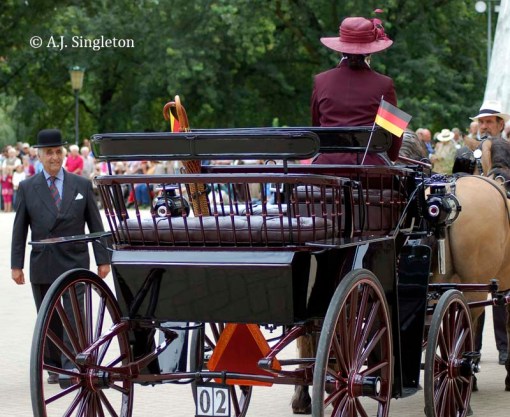
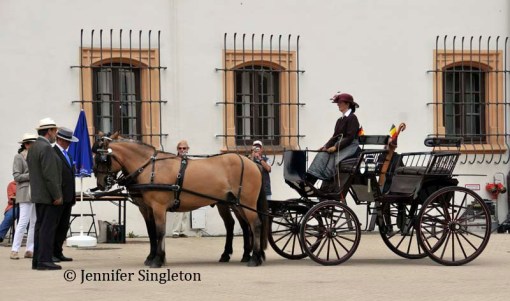
Consuelo de Grunne, representing Belgium, drove her pair of Highland Ponies to a Siamese Phaeton, c. 1890:

.
.

.
.

.

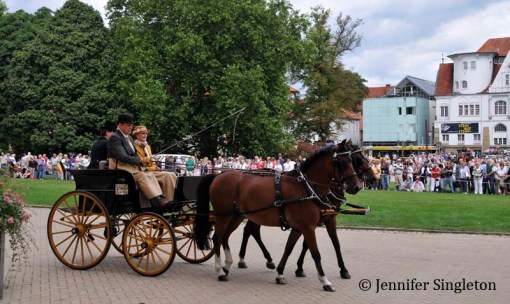
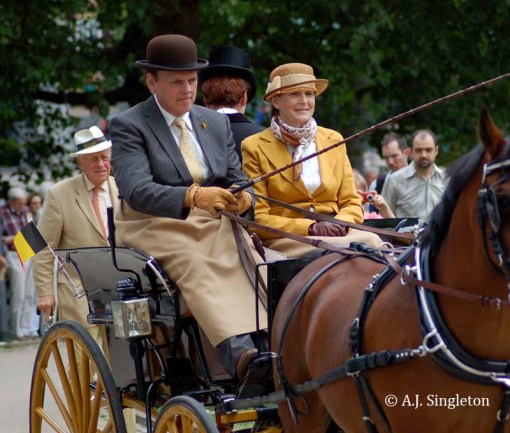
Hugo Livens, also representing Belgium, drove a Ralli Car built in 1890:

.
.

.
.

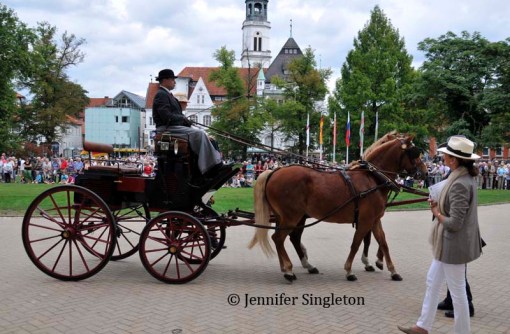
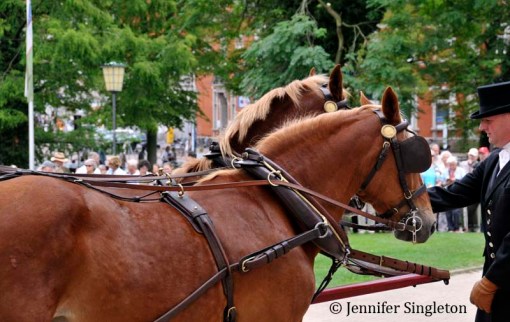
Representing Germany, Carsten Ringe drove a Shooting Break, c. 1880;

.
.
.

.

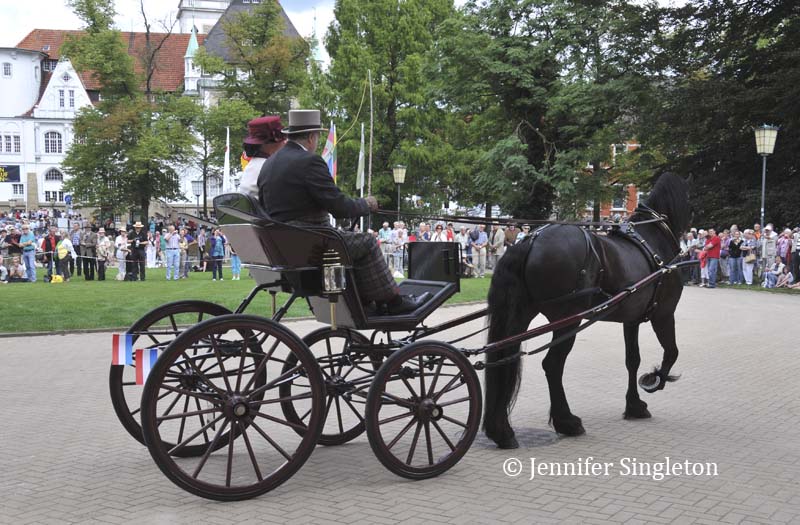
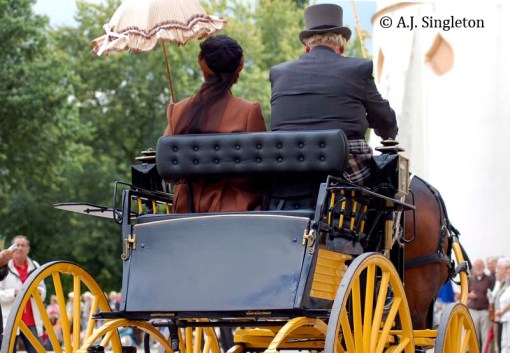
The first of the single-horse competitors, Rolf Bette, representing Germany, drove an American-made vehicle from 1900:

.

the man standing at the right is the event’s organizer, Count von der Schulenburg

.
.

.

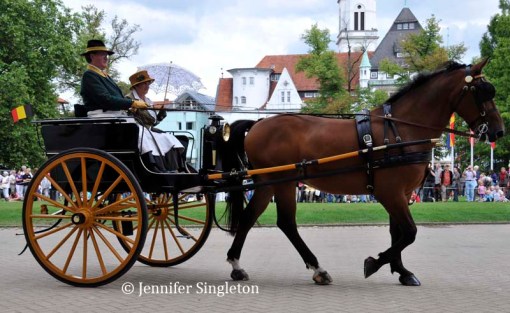
Cornillie Idès, representing Belgium, drove a Ralli Car built in 1924:

.
.

.

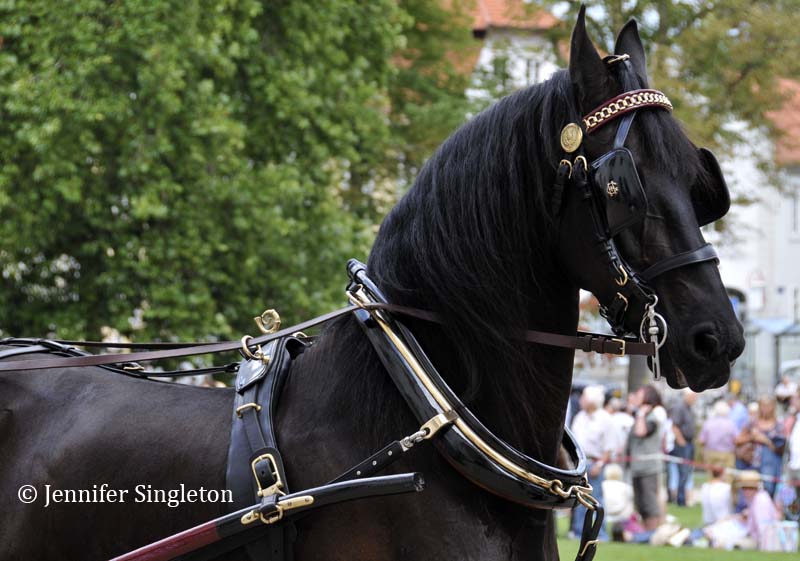
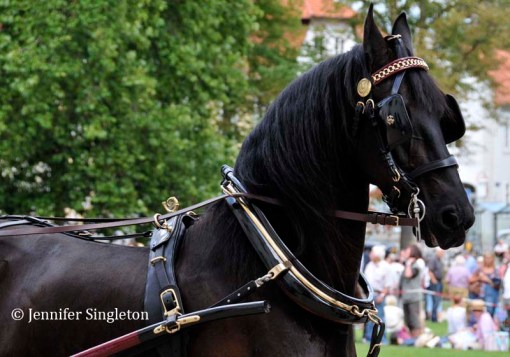
Dutch driver Ruud Korst drove his Friesian to a Spider Phaeton built in 1900:

.

.
.

.

Barbara Löschenkohl, of Germany, drove her horse to a Dog Cart, c. 1900.

.
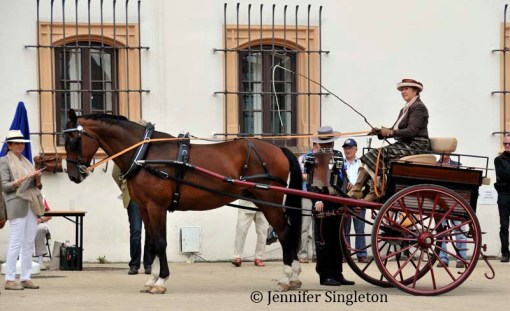
unfortunately, Barbara’s horse looks rather too tall for this carriage

.

.

The final competitor in the single-horse division, Eberhardt Stripling (representing Germany), drove a Danish-built Wagonette, c. 1905:

.

.

I’m busily working on the October issue of the magazine, so I’m going to streeeetch our vacation photos out throught the rest of the week! Stay tuned for more presentation (pairs of horses tomorrow, then tandems, teams, and the five-in-hand on Thursday), to be followed by photos from the drive on Friday, the cones competition on Saturday, and the awards ceremony (in the pouring rain!) on Sunday.

« Previous PageNext Page »