horses & driving


Thanks to Allyn for sending the link to this fabulous old photo.

In this 1905 view of New York’s Fifth Avenue are pedestrians, horse-drawn delivery vehicles, a mounted policeman, a Hansom Cab, and Alfred Vanderbilt’s Belmont coach, all passing in front of the Holland House Hotel.

.

Sorry for the delay. I meant to post this yesterday and then had some computer issues … and then forgot.

Our second annual CAA Carriage Festival begins just one week from tomorrow today!

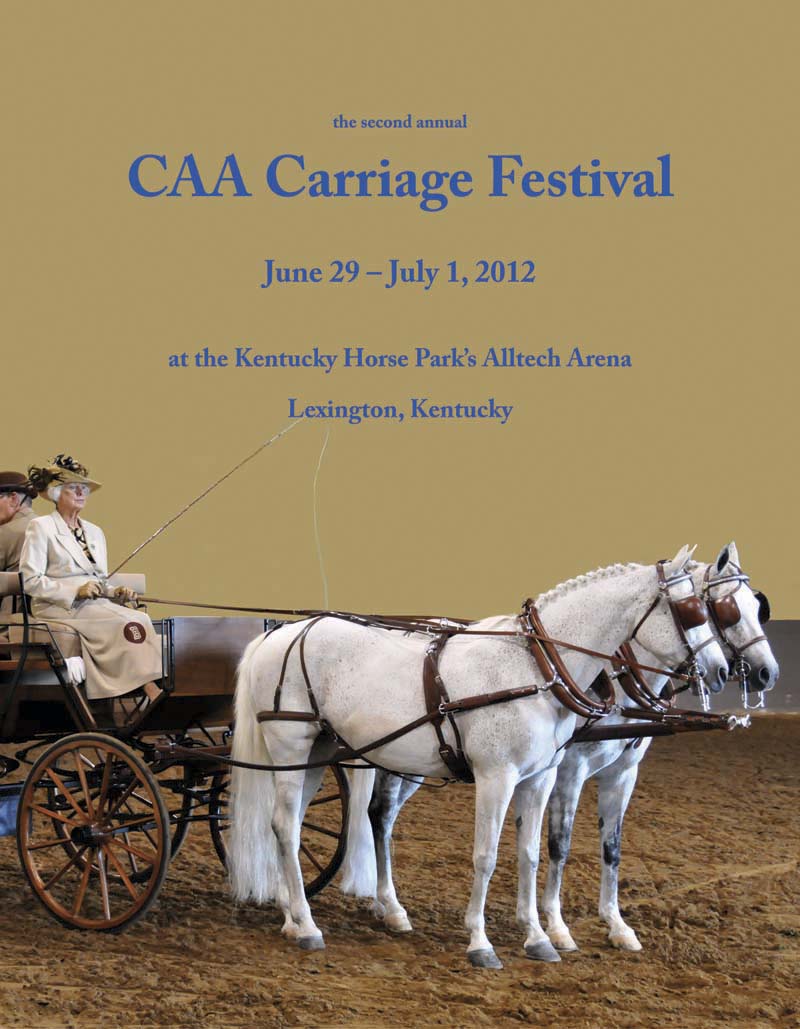
I’ve been working on the (full-color!) program for this year’s Festival and have sent it off to the printer. Here’s a peek at the cover:

.

.

If you’re in the Lexington area next weekend, join us at the Kentucky Horse Park’s Alltech Arena. There will be a pleasure-driving show all day (and evenings) on Friday and Saturday, a beautiful horse-drawn carriage “parade” through the Horse Park and neighboring farms on Sunday, and, on Saturday: a display of restored carriages and an antique car show. The restored carriages and the antique cars will be vying for People’s Choice Awards.

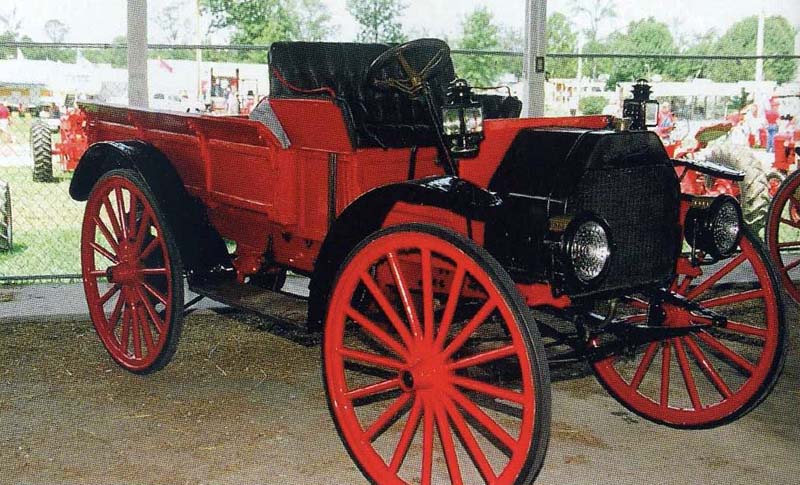
One of the extra-special cars we’re expecting is this gem, a 1915 International Auto Wagon:

.

.

We hope you’ll join us at the Festival! If you can’t be here in person, join us online. I’ll be reporting from the Festival each day, and posting photos, here on the blog, and on the CAA’s Facebook and Twitter pages.

Yesterday afternoon, I drove out to the Gayla Driving Center to work with Sterling Graburn on a photo shoot to illustrate an article on long-lining, scheduled for the August issue of The Carriage Journal.

Here are a few things I saw, and a couple of the other animals I met, while there:

.

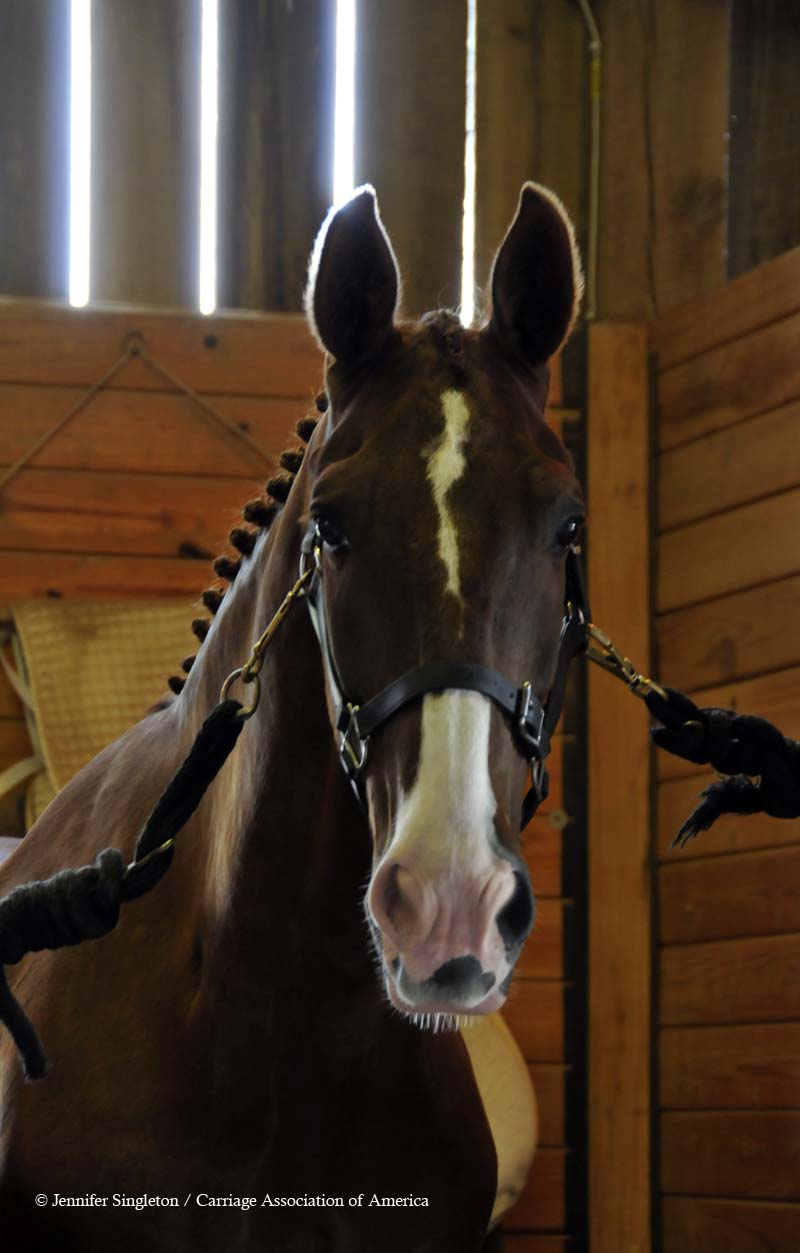
Ulano (a Dutch Harness Horse) waited patiently in his cross-ties, before getting suited up to be the star of our photo shoot on long-lining

.

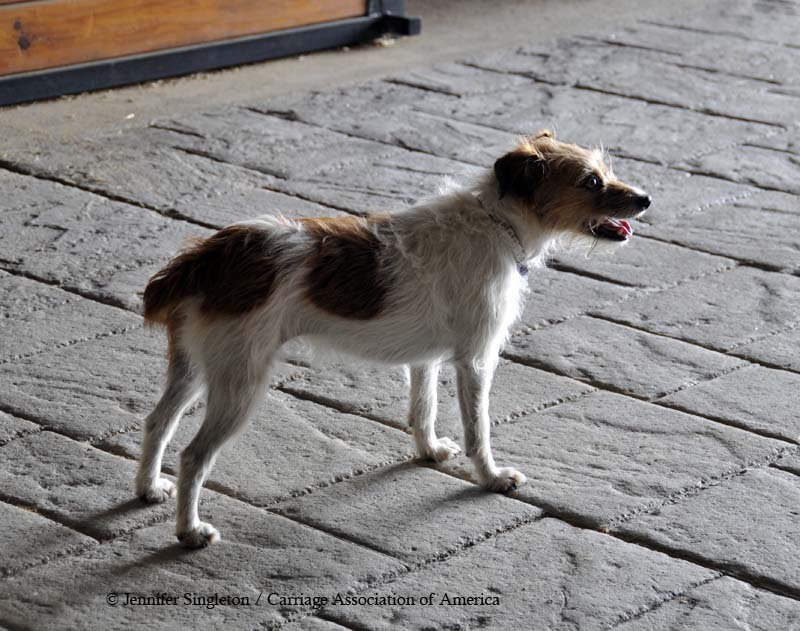
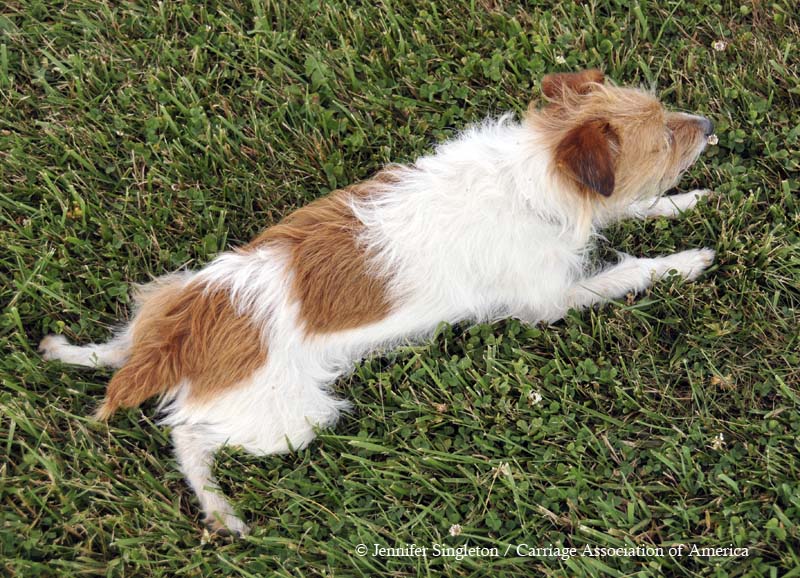
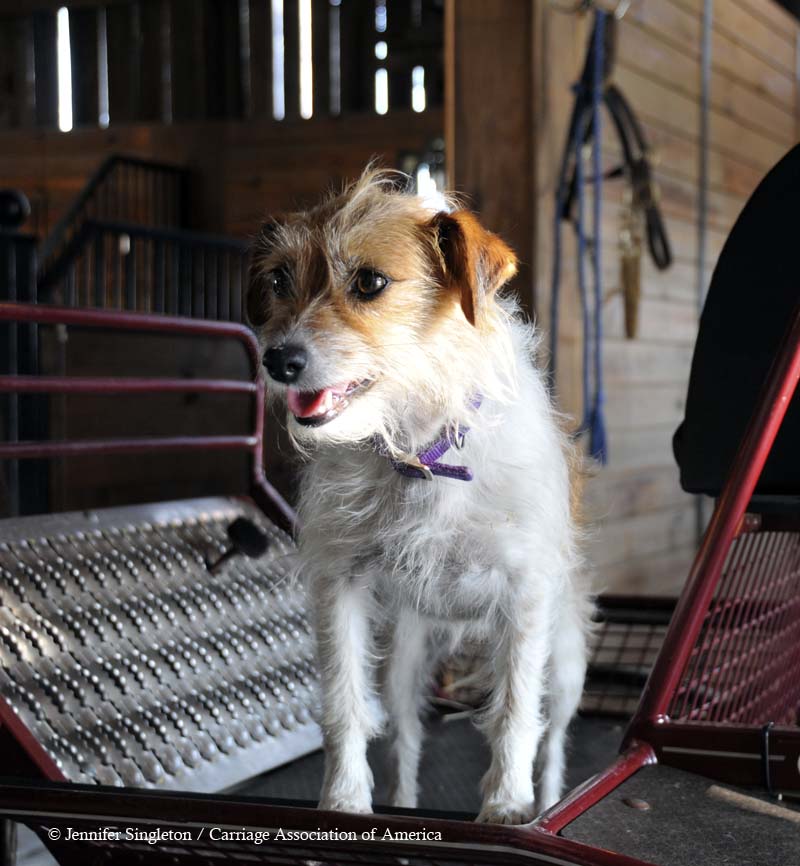
Katie is very friendly and, as you’ll see, kept us company for the duration

.

… Lucky, however, chose to simply watch us from the rafters

.

on the way out of the barn … I kinda love this shot

.

Katie, still keeping me company …

.

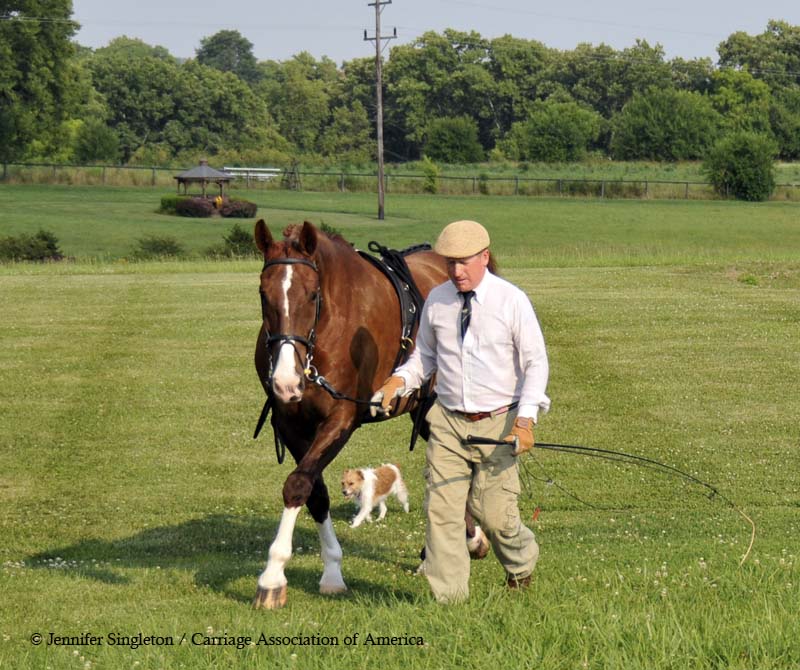
… and walking back to the barn with Ulano and Sterling …

.

… and, after we were finished, waiting to go on a carriage ride

.

Sterling and Ulano

.

Are you ready for a celebration?

Here’s a short article on the carriage-related portion of the official Jubilee weekend (tomorrow through Tuesday), from Britain’s Telegraph newspaper:

.

Royal Horses, Cars, and Carriages at the Ready for the Queen’s Diamond Jubilee Procession

During the Diamond Jubilee weekend, the Queen and the Duke of Edinburgh will take part in a carriage procession [on Tuesday, June 5] from Westminster Hall to Buckingham Palace, where the route is expected to be lined with thousands of spectators. If the weather is dry, they will travel in an open-topped 1902 state Landau carriage, which is looked after by Head Coachman Mark Hargreaves in the Royal Mews in Buckingham Palace. “Because this is a special occasion and it’s the right time of year, it’s perfect conditions for having an open carriage so that we can all see the Queen,” Mr. Hargreaves said. Also taking part in the carriage procession will be the Prince of Wales and the Duchess of Cornwall, the Duke and Duchess of Cambridge, and Prince Harry. The procession will also be accompanied with a Sovereign’s Escort of horses and military personnel. The spectacle will be part of a series of Diamond Jubilee events on June 5, starting with a St. Paul’s Cathedral service of thanksgiving and ending with the Royal Family gathering on Buckingham Palace’s balcony.

.

For the Telegraph’s full timetable of the weekend’s events, click here.

And to watch a wonderful video on the horse-drawn and motorized vehicles in Tuesday’s procession, click here.

Here’s the fourth and final part of our look at the chapter related to driving horses in a horse-care book from 1731. If you’re just joining us, you can scroll down or click through to read parts onetwo, and three.

“As for those horses which carry burdens, there needs no other care to be taken of them, but what is in common with all others, exceptin that their pillions and packsaddles be well fitted, so as not to pinch or gall them, and that their loads be not more than they are able to bear. A load, when it is too heavy, must needs injure a horse very much; it exposes him to a swaying of the back, to burstenness, pissing of blood, strains in the shoulders and loins, and likewise to accidents in the knees, hams, and pastern joints, sometimes to chest-foundering, and to other mischances which affect the wind. And as all things ought to be moderate in the beginning, so a horse that is to carry burdens should, contrary to the usual method of some, have his first loads but of a moderate weight; and they may be increased to a horse’s strength and ability. When the saddle, pillions, and all the other appurtenances of a pack-horse are rightly fitted, and his load adjusted to his strength and ability, which is easily known after a short trial; and that a right economy is also observed in his feeding, &c. he will last many years in that service. And that some horses, though they be injured in their wind, will, nevertheless, carry burdens of a moderate weight, because their walk is easy, and their exercise no other than what conduces very much to their preservation.

“In short, there are no services wherein a horse will continue longer than in carriage or drawing. Those being to strong large horses no other than what is convenient to keep them in a perfect state of health; for as their bodies are, for the most part, gross and heavy, their proper business is work or labor, and not riding.”
« Previous PageNext Page »