I was looking through a file drawer of CMA archival material in our office library recently, and I came across a folder entitled “American Transportation.” In it were, among other things, several newspaper clippings from the late 1920s and early 1930s.
This is one I find particularly interesting, both for the earlier history it shares and for the historical perspective it provides. Unfortunately, I have no idea which newspaper this was clipped from. But someone did date-stamp it: April 12, 1932.
COLONISTS AGHAST AT SPEED OF STAGES
Time Between New York and Philadelphia Cut From Five to Three Days.
HAWKS DID IT IN 20 MINUTES
Aviator Predicts That Some Day Flying Machines Will Outrun the Sun.
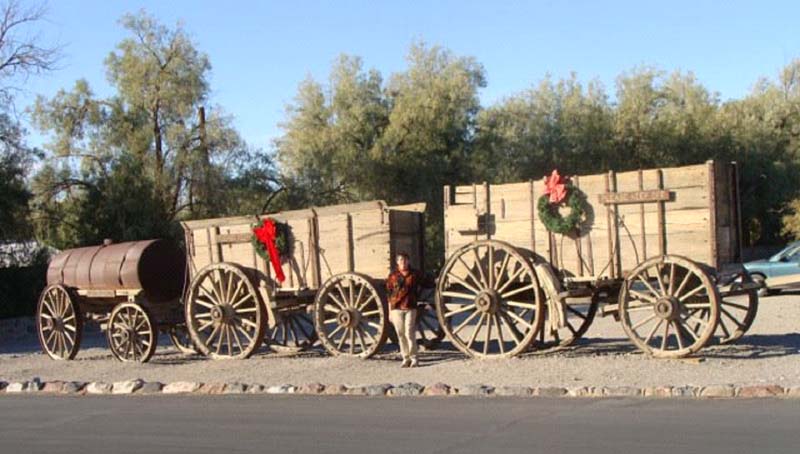
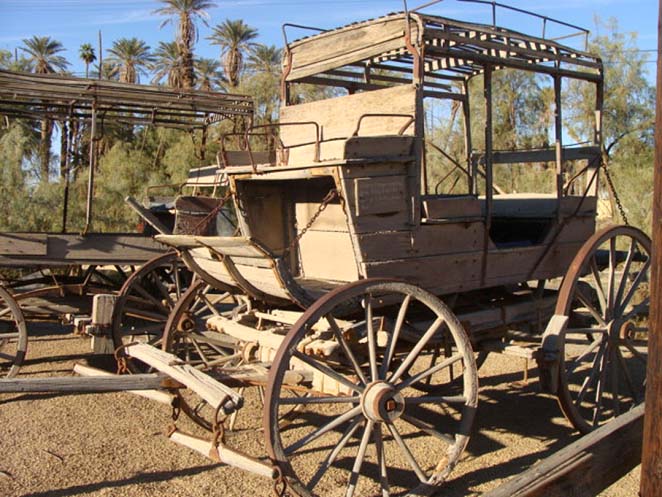
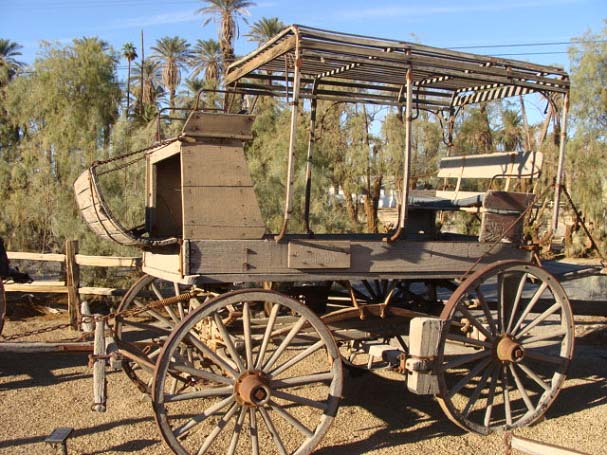
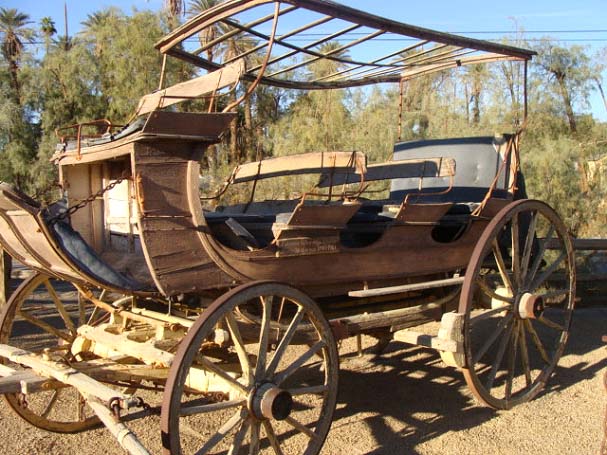
In 1750, under the lash of heavy competition, stage-coaches had speeded up their schedules so that a journey from New York to Philadelphia was a “breath-taking dash” of five days, according to an article in The Texaco Star, a publication of the Texas Company. New Jersey farmers, according to the story, “shook their heads and wondered what the world was coming to when foaming, sweating horses with top-heavy coaches in tow careened madly past six years later, to deposit white-faced passengers in Philadelphia on Wednesday night when they had left New York as short a time ago as Sunday.”
Capable hands soon took charge of transportation and improved not only the roads upon which the stage-coach traveled, but the stage-coach itself. Samuel Pepys, in his diary for May 1, 1665, had written that “after dinner I went to the tryall of some experiments about making of coaches go easy. And several we tried, but one did prove mighty easy.” The use of coaches with seats set in springs to absorb the road shocks did not come into general use in the American Colonies until 1765, but after one stage line from the Battery, New York City, to New Brunswick, N.J., had made use of such “flying machine” coaches, others soon looked to the comfort of their passengers rather than lose business to competitors.
There were 106 stage lines running out of Boston alone in 1832, the article says, and keen competition on one of the runs, between Boston and Providence, caused the rate for the trip to be reduced from $3 to nothing, with a meal and a bottle of wine thrown in. A Providence editor, describing the trip, said that “we were rattled from Boston to Providence in 4 hours and 50 minutes. If any one wants to go faster he may send to Kentucky and charter a streak of lightning.”
May Outrun the Sun.
Captain Frank W. Hawks recently predicted that “some day man in a modern ‘flying machine’ will outrun the sun and hours.” Compare Captain Hawks’s record of twenty minutes’ flying time between New York and Philadelphia with the seven days required exactly two centuries ago. The speed of transportation has been increasing by inverse ratio since stage-coach time between the two cities was improved by seventy-two hours in twenty-two years.
Roads in the United States were rough and muddy for some time after the Revolution, until chartered turnpike companies began building roads that in 1828 covered more than 3,000 miles. Although both the states and the new government were in debt, attempts were made to encourage road-building, but the coming of railroads and canals later made highway travel somewhat unpopular for a long time.
Tolls on turnpikes were not always as nominal as the public has been led to believe. On one New Jersey turnpike, the driver paid out two large copper pennies for every mile his two-horse carriage traveled, and the passenger rate had to be set accordingly.
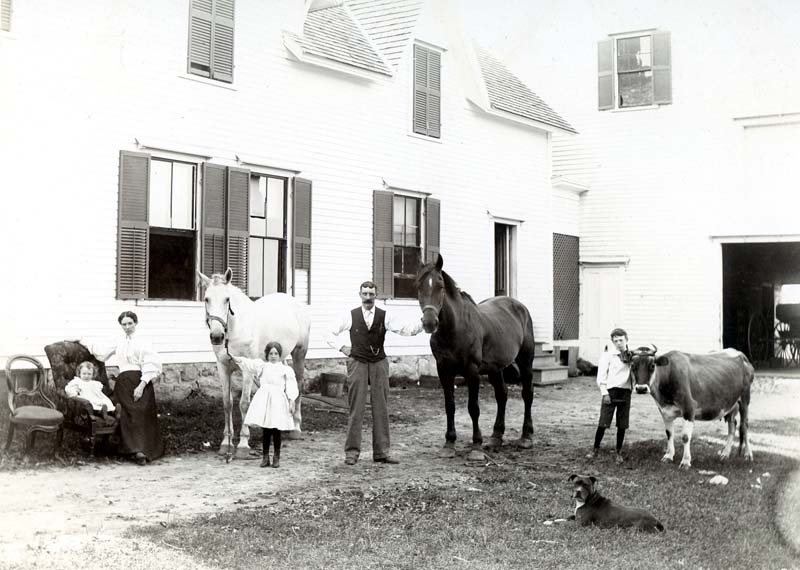
The wayside inn became the exchange center for social and political ideas in days when the only social intercourse between residents of different regions came from travel by horseback and stage-coach. Advantageously situated about a day’s journey one from the other, taverns were meeting places where stage line crosses and the merchant from New England could sit before a roaring fire with the statesman from the South talk over problems ranging from states’ rights to the best remedy for gout.
“Sitting all day in a springless coach was a wearying procedure, and companions on the journey were not always to one another’s liking,” says the writer [of the article in The Texaco Star?]. “The tavern spelled food and rest to the traveler and, in Boston at least, beer at a penny a quart with the host subject to a penalty if he did not fill the bowl as often as his guests desired.”
Old Days Are Gone.
“The old days are gone, but some of their customs and institutions remain. No longer is there need for the traveler to shift his seat to keep his vehicle upright, for 625,000 miles of improved highways in this country have taken the place of roads fit only for travel on horseback. The toll is still with us, for, though the motorist does not stop every mile to hand coppers to a gate-keeper, his share of the cost of road building and maintenance is paid every time his gasoline tank is filled.
“Travel by bus, the modern personification of the stage-coach, has been increasing in favor for a number of years. The taverns and wayside inns of other years are now great hotels with hundreds of rooms, and at times, instead of giving the present-day host an opportunity to serve him, the traveler chooses to eat at a roadside stand or tea room, other descendants of the old tavern.
“For one who goes from place to place in his own automobile, as a colonist might have traveled on horseback when this country was young, there are tourist camps which probably have more of the wayside-inn spirit and hospitality than any other form of stopping place.
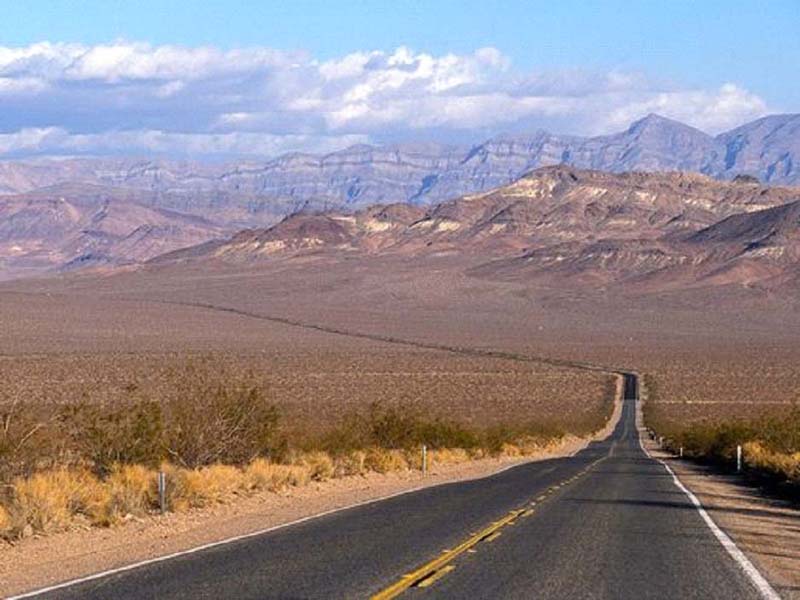
“From the first real road in the United States — one that gradually developed from an Indian footpath between the settlement of New Amsterdam on Manhattan Island to the Dutch and Swedish settlements on the Delaware River — highways of the United States have developed into smooth, hard links of transportation on which the average speed of travel is from 75 to 100 times greater than it was two centuries ago. Whatever the loss in quaintness, the ease and comfort of modern transportation over good roads in improved vehicles has its benefits.”





 The Slower Road