history


The day after we got home from our quick trip to Asheville, I had a day off from work (which, if you’re keeping track, is also why there was no blog post on Monday … sorry).

It was a beautiful day, and I was feeling inspired by our architectural tour of Asheville the day before, so I took a loooong walk around downtown Lexington that afternoon to get a few photos of our local architecture.

.

this lovely old facade is one of three in a row that were renovated a decade or so ago, while the interiors were transformed into theater, art gallery, and restaurant space

.

a pretty corner of a building on Short Street, which runs behind the old court house

.

Lexington's opera house

.

an old (and current) livery stable on the alley behind the opera house

.

this office building, built in 1885, sits across the street from the old court house

.

.

The photo above shows the carriage house at the Hunt-Morgan House. The front of the house (below) looks out over Gratz Park.

.

.
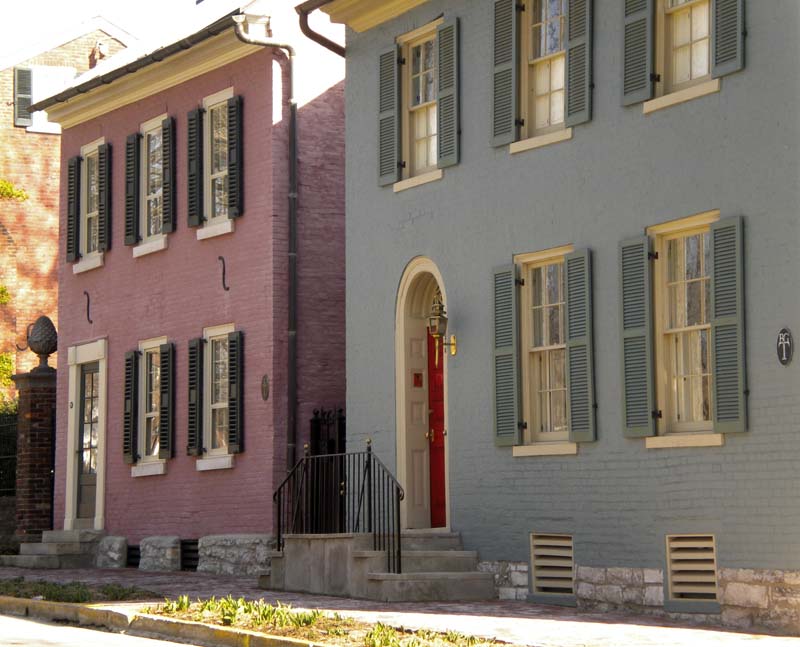
on the other side of Gratz Park sit these two Federal-style houses

.
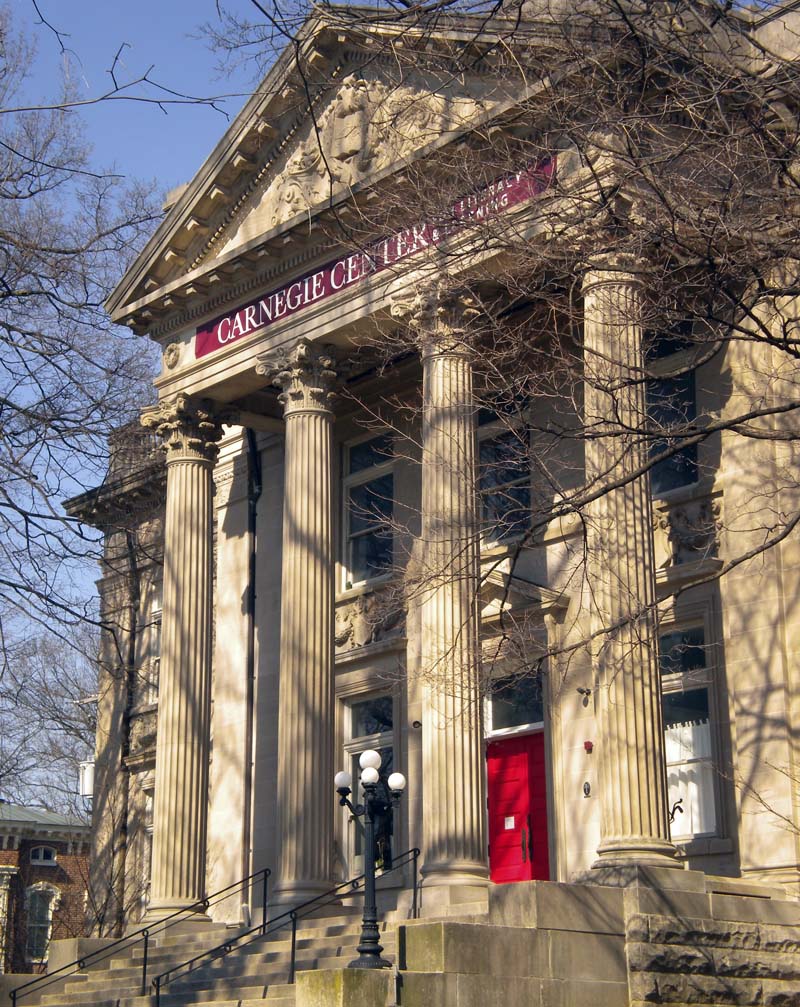
on the two "short ends" of the rectangular Gratz Park are Transylvania University's administration building (known as "Old Morrison") and this building, Lexington's old Carnegie Library, which now houses the Carnegie Center for Literacy and Learning

.
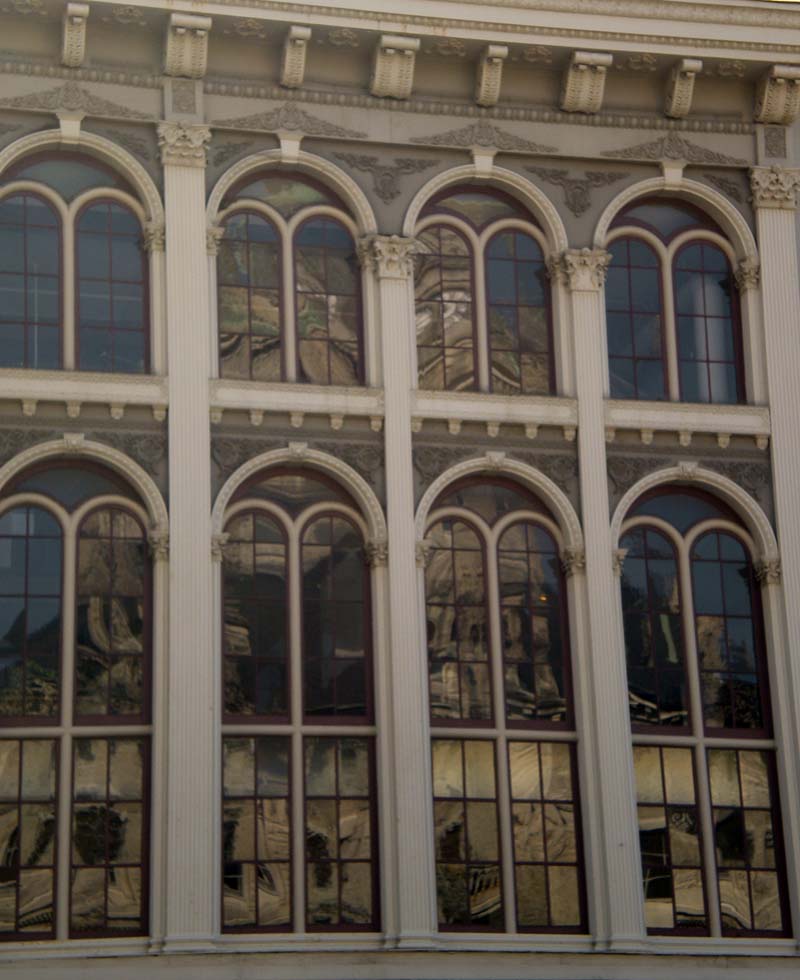
a pretty building on Main Street, with the old court house reflected in its windows

.

You’re probably already well aware — from movies and costume dramas, if nothing else — of the role that footmen played in the lives of great houses. They typically stood at the back of coaches, always at the ready to open the doors and lower the steps for the vehicle’s occupants. And, among other tasks, they helped serve dinner in these house’s very elegant dining rooms. They were usually attractive young men in fancy livery, who acted as a sort of status symbol for the family.

But did you know (I certainly didn’t) that there were men who served as “running footmen” in the days before roads were improved enough to allow for faster, more reliable carriage traffic?

You can read more about these athletic men in a recent blog post at Two Nerdy History Girls.

This past weekend, A.J. and I met my parents in Asheville, N.C., for a day and a half of good company & conversation, good food, and some exploring of that city’s beautiful downtown.

Early on Sunday morning, while walking to breakfast through the center of downtown, we came across this pig in Pack Square:

.

.

The pig and the path she’s on, covered in a variety of footprints, commemorate the early roads and stagecoach routes that went right through the center of what is now downtown Asheville.

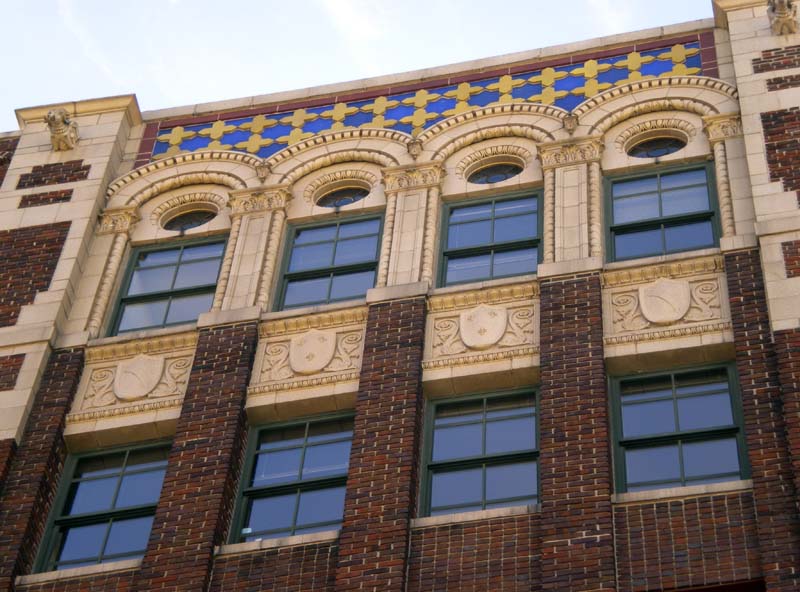
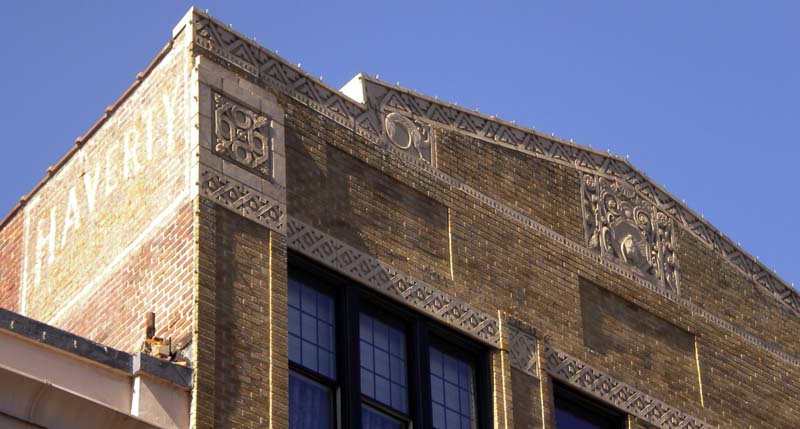
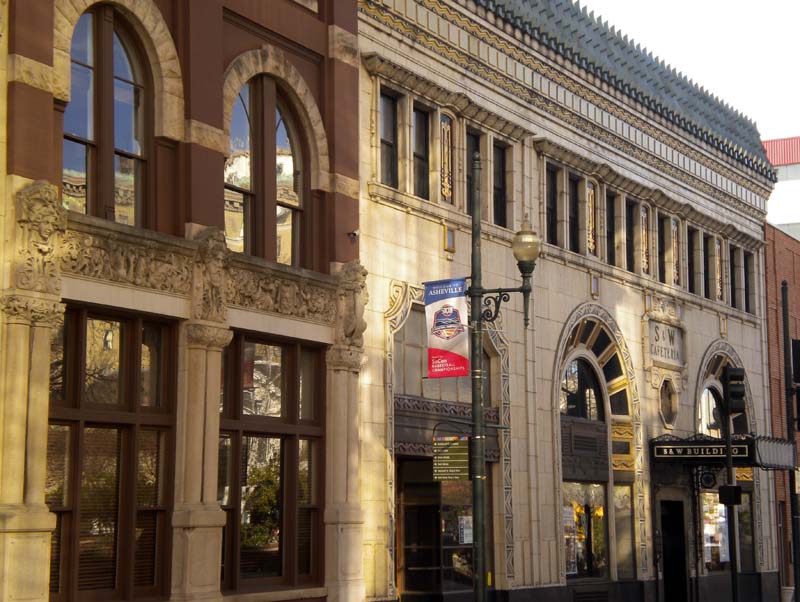
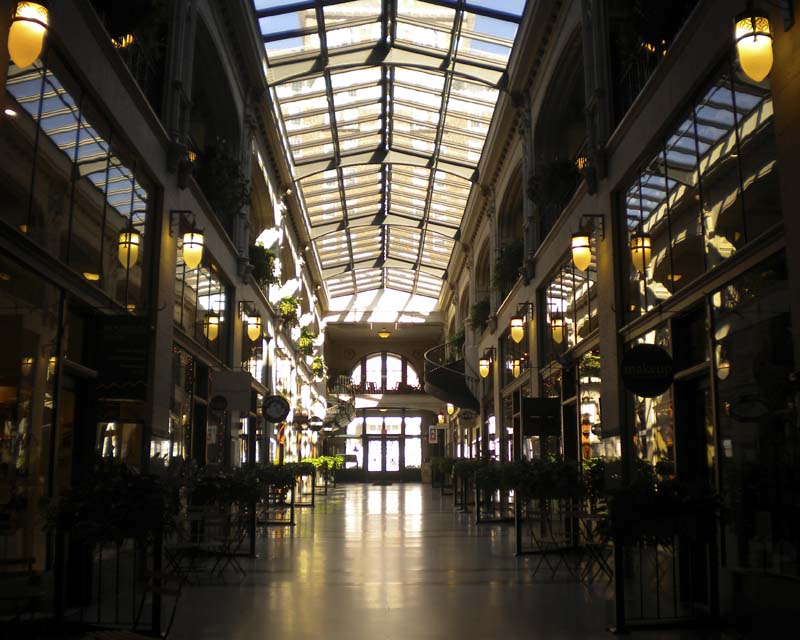
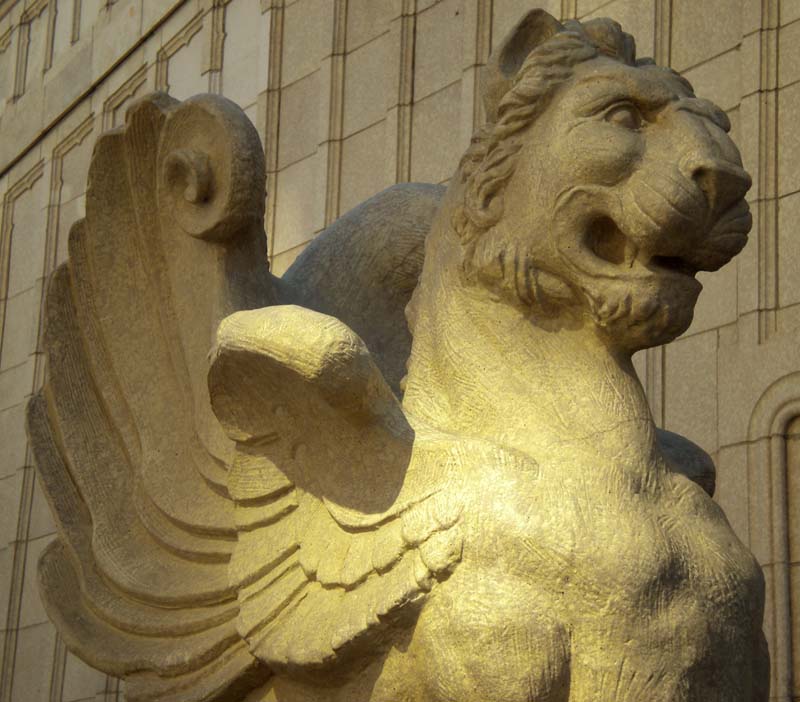
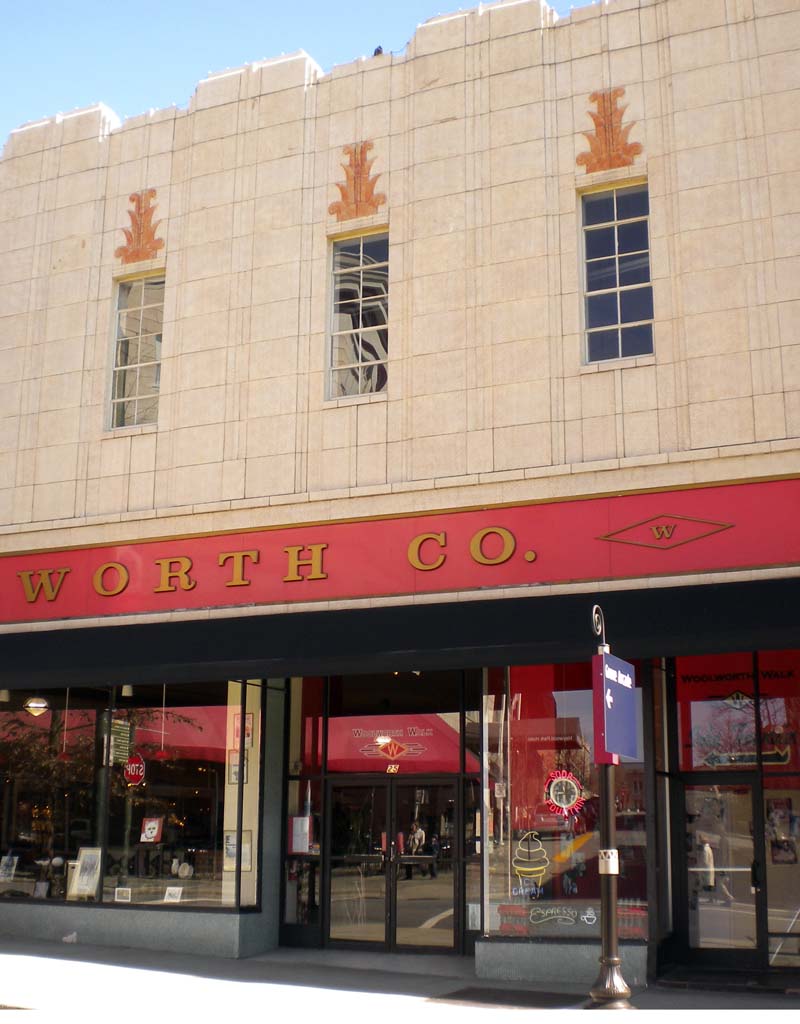
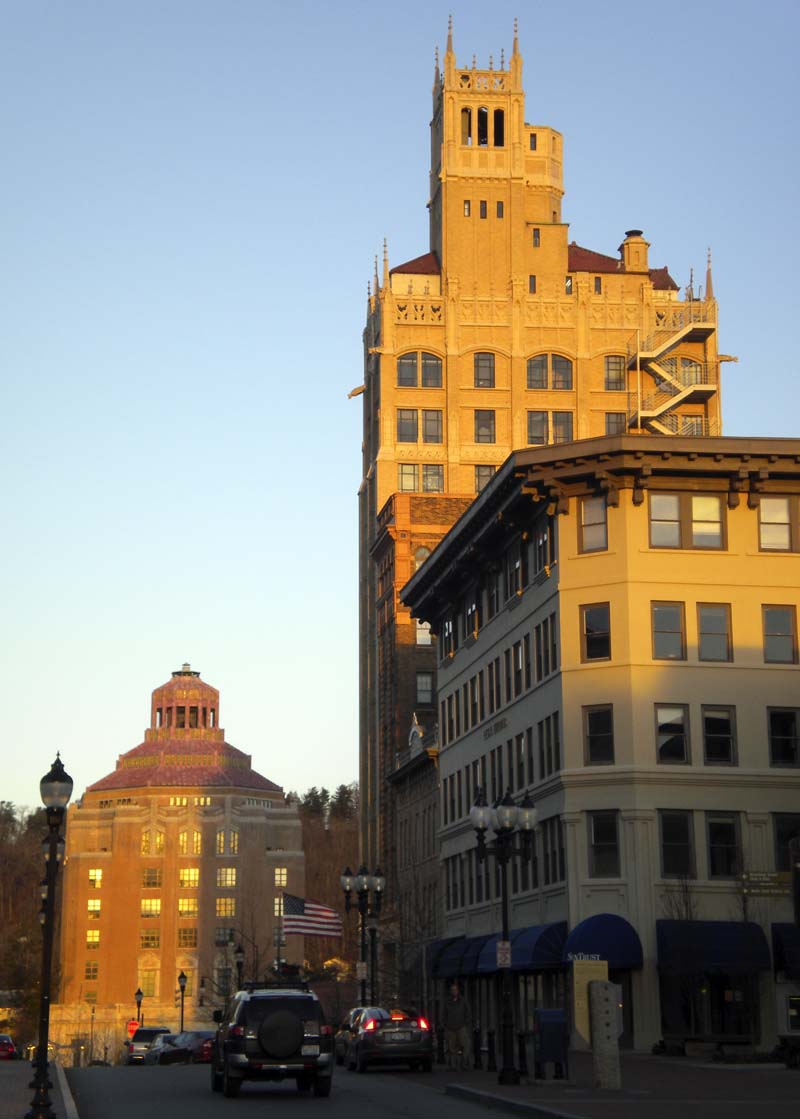
After a delicious breakfast in one of the city’s vast multitude of excellent restaurants, we wandered around downtown and enjoyed seeing the lovely old architecture …

.

.

.

.

.

.

.

.

.

.

.

And to bring this post back around to horse-drawn vehicles and yet keep it in artsy Asheville, here’s a “gypsy wagon” that I spotted on the sidewalk outside a shop:

.

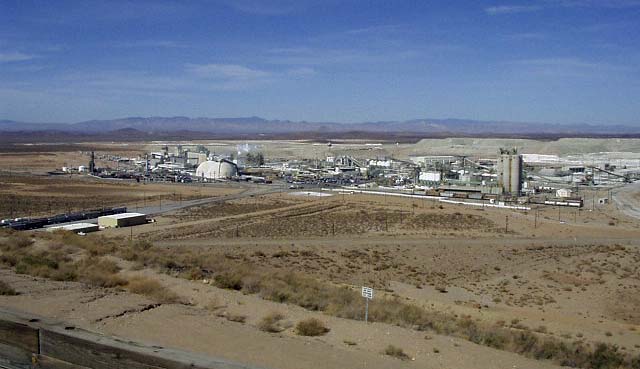
After reading the post about Thom Mezick and Linda Freeman’s visit to Death Valley, Randy Solle sent some photos from the borax mine in Boron, California. Having already seen photos of the old mule-drawn vehicles, let’s take a look at the mine itself, shall we?

.

(photo by Randy Solle)

.

(photo by Randy Solle)

.

(photo by Randy Solle)

.

This modern mine produces more than 12,000 tons of borax each day.

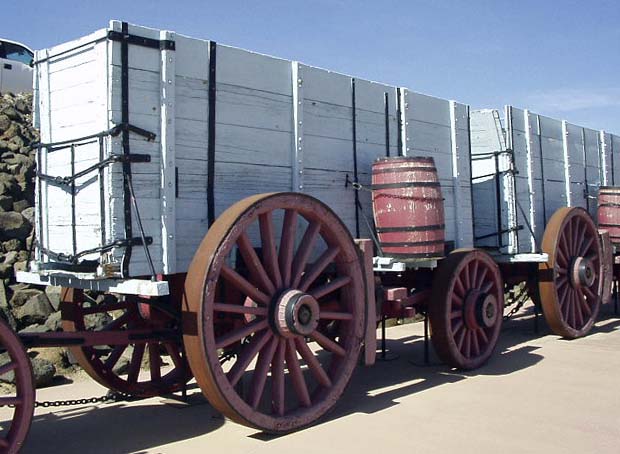
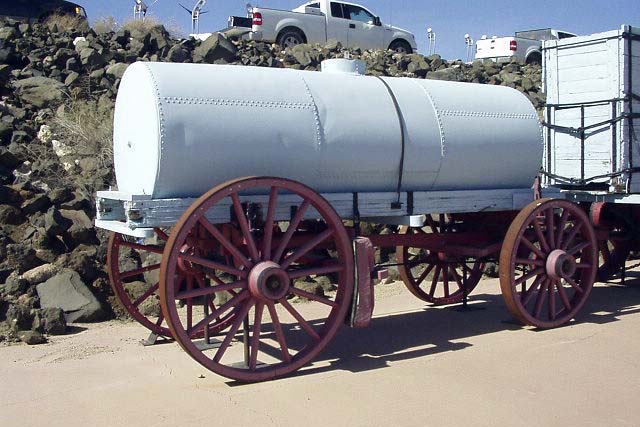
From 1883 to 1888, each twenty-mule team (pulling two loaded wagons and a water tank) took ten days (round trip) to travel from the Death Valley mine to the nearest railroad junction in Mojave. Each team carried about twenty tons of borax per trip, and the teams delivered more than 10,000 tons of borax during their years of operation.

This set of two wagons and water tank are on display at the mine:

.

(photo by Randy Solle)

.

(photo by Randy Solle)

.

(photo by Randy Solle)

.

(photo by Randy Solle)

.

As we’ve all heard by now, a Pekingese named Malachy won Best in Show at this year’s Westminster Kennel Club Dog Show.

Here’s a look at another Pekingese:

John Fullerton sent this photo to Barry Dickinson, who sent it to us. The judge in this photo (at a Detroit horse show in 1935) was Mrs. Gerken, daughter of Francis Ware, who wrote Driving. Can you see the fluffy little Pekingese in the carriage?

.

« Previous PageNext Page »