history


One of our Carriage Association members in California sent me the following story and photos, which I thought y’all might enjoy as well. Thanks, Randy!

.

“I work at a family-owned molding / tool shop near San Diego, and the owner is into collecting and driving early automobiles and motorcycles. Occasionally, one of these will wind up at the shop, where we will provide various maintenance or repairs. Recently, he rolled in with his 1915 Pierce-Arrow Limousine, which I had not seen before.”

.

car 1

.

“Upon looking the car over, one particular item caught my attention. The body on this vehicle had been built by the C. P. Kimball & Co. of Chicago. I have seen a number of Brewster-body cars, but I had never seen a Kimball before.”

.

car 2

.

“Those of us who are into carriage history are well aware that a number of carriage manufacturers continued on to build bodies for automobiles as the carriage industry dwindled down. Probably the most notable is Brewster building the bodies for Rolls Royce. In that era, you would order an automobile from one of the more high-end automobile manufacturers, and this would consist of a rolling chassis (engine, drive train, fenders, and cowl). It would then be sent off to a coach builder, who would construct the wooden body onto the chassis.

“Although Pierce-Arrow of Buffalo, New York, built their own bodies, this particular vehicle was a special order. In talking with my boss, he informed me that this particular vehicle was ordered by the Kimball family as their personal vehicle. He also mentioned that there are only two of these Limousine-bodied cars in existence (I’m not sure of the boundaries of that statement). The other one is also a 1915 Pierce-Arrow, and who do you think it belonged to? Why, the Vanderbilts of course. It’s always amazing how the people from the carriage era continue to come back to us.”

For today: a glimpse (c. 1912) of the New York Public Library.

The streets are filled with pedestrians, cars, a motorized bus, and several types of horse-drawn vehicles. And there’s even a bicyclist and a dog. Enjoy looking around …

.


A year and about a week ago, A.J. and I were in Normandy for the first time, where we visited several of the beaches, monuments, and cemeteries.

In case you missed it on the blog then, here’s a look back at our visits to Omaha Beach and to Pointe du Hoc and a few other locations.

.


Guest post from the CMA’s Mindy Groff …

.

“Clearance” is not a word I typically associate with antique vehicles. So when I came across a catalog advertising the “Eighteenth Annual Clearance Sale of Seasonable Carriages,” I was intrigued.

.

Henderson1

.

Henderson2

.

This booklet was printed in 1900 by the Henderson Bros. of North Cambridge, Massachusetts. The company was founded in 1856 by John J. Henderson and Robert Henderson. In addition to selling vehicles built by other companies, they also manufactured their own carriages and carriage parts.

According to the opening page, “the purpose of this booklet is to SAVE YOU MONEY, and at the same time reduce our stock quickly. We have reduced the prices on these carriages in some instances to one-third less than what we have been offering them for.” They boast that “we can supply you with any kind of a carriage or wagon that is in common use in this country, and at any price you wish to pay.” The reader is encouraged to “WRITE US NOW” to check availability and place an order. The carriage equivalent, it seems, to buying a used car today.

The vehicles advertised inside do indeed look like bargains. A Brewster Opera Bus, originally priced at $2,600, now reduced to $525. A brand new Break discounted from $2,500 to $650. A six-seat Rockaway for just $185. The booklet is filled with descriptors like “good as new,” “thoroughly renovated,” and “rare bargain.”

If you’d like to view the full listings and see images of the vehicles, you can! We have the original catalog in our library, but it is also available digitally on the Internet Archive, which is a non-profit Internet library. And If you’re not familiar with the Internet Archive, I’d encourage you to check it out further. This is an amazing online resource of digitized books and other printed materials, including many carriage catalogs and texts.

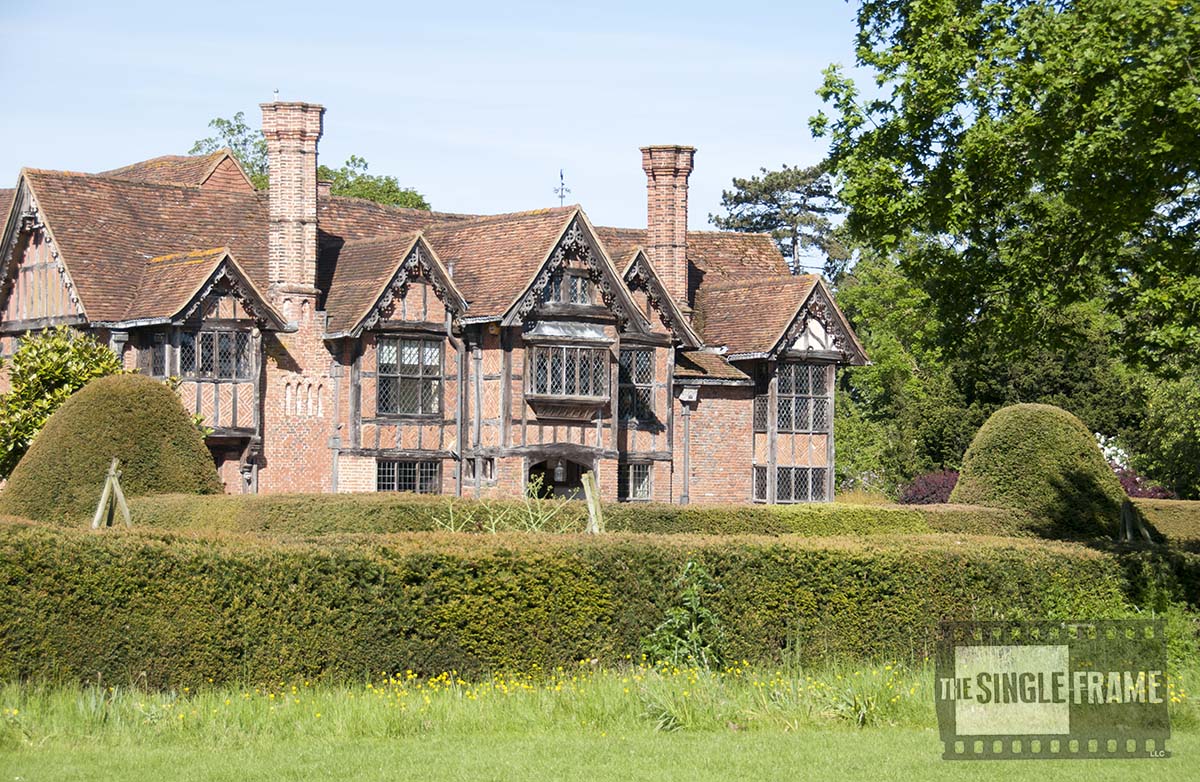
Yesterday morning, our CAA group traveled the short distance from Eton to nearby Dorney Court, where we enjoyed a lengthy, in-depth tour of this exquisite, and beautifully preserved, Tudor manor house.

.

blog-DorneyCt3-201405

.

.

We started out in the largest hall in the house, where the lord of the manor would hold court in the house’s earlier days. Here, we were offered coffee, tea, and homemade cakes. And then we split into two groups for our tour(s). One of the tour guides is on the right in this photo …

.

blog-DorneyCt11-201405

.

.

As you can see here, the house has, um, settled a bit during its 500-or-so years …

.

blog-DorneyCt17-201405

.

.

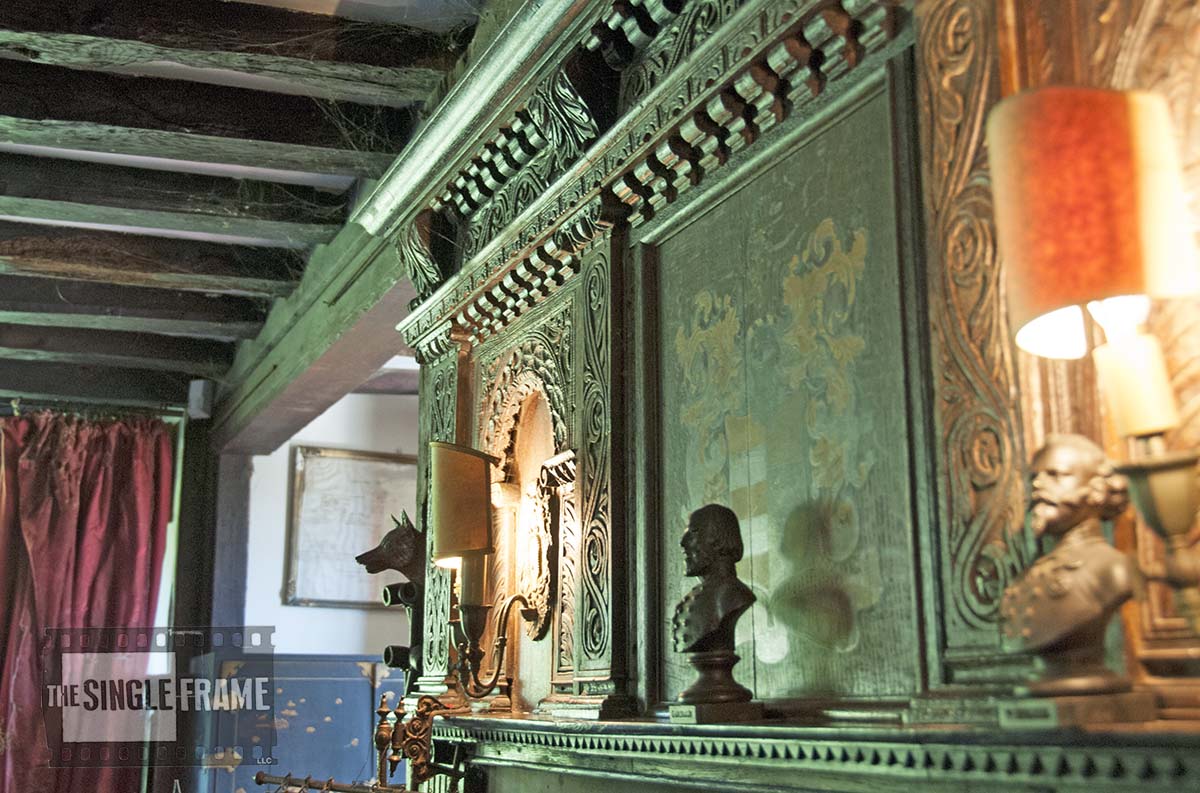
This is the gorgeous Jacobean fireplace mantel in one of the oldest rooms in the house …

.

blog-DorneyCt18-201405

.

.

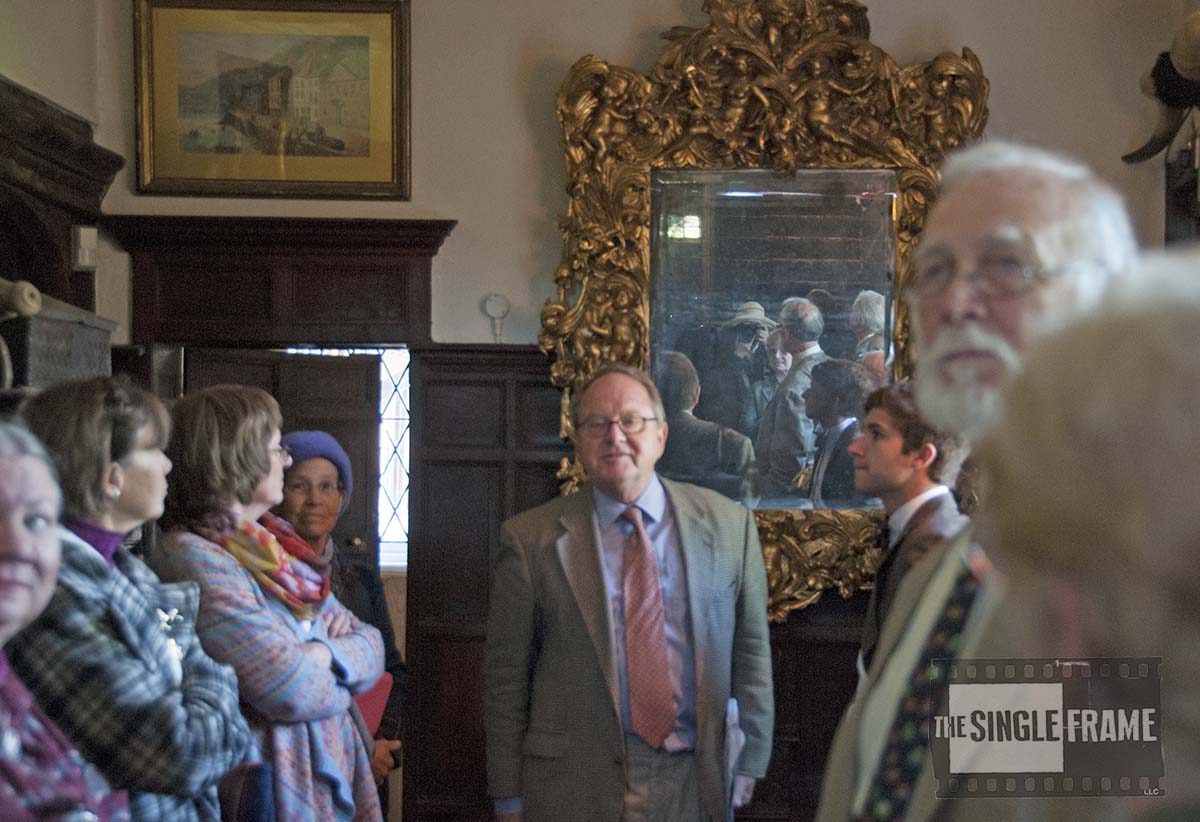
In the center, our group’s tour guide, who is standing in front of a lovely old mirror …

.

blog-DorneyCt22-201405

.

.

Every room in this wonderful old house looks like it’s straight out of a museum, or a movie set, or some super-high-end antiques store … but it’s also completely lived in. It’s an amazing combination of English history, architectural history, and family history.

.

blog-DorneyCt24-201405

.

.

Another view of the large hall where our tour began …

.

blog-DorneyCt33-201405

.

.

… just outside the frame of the photo above, is this delightful Victorian-era rocking horse, built for three young children …

.

blog-DorneyCt38-201405

.

.

Finally, a view of one of the side gardens. All the irises were blooming while we were there …

.

blog-DorneyCt45-201405

.

« Previous PageNext Page »