CAA events


Sorry for the delay. I meant to post this yesterday and then had some computer issues … and then forgot.

Our second annual CAA Carriage Festival begins just one week from tomorrow today!

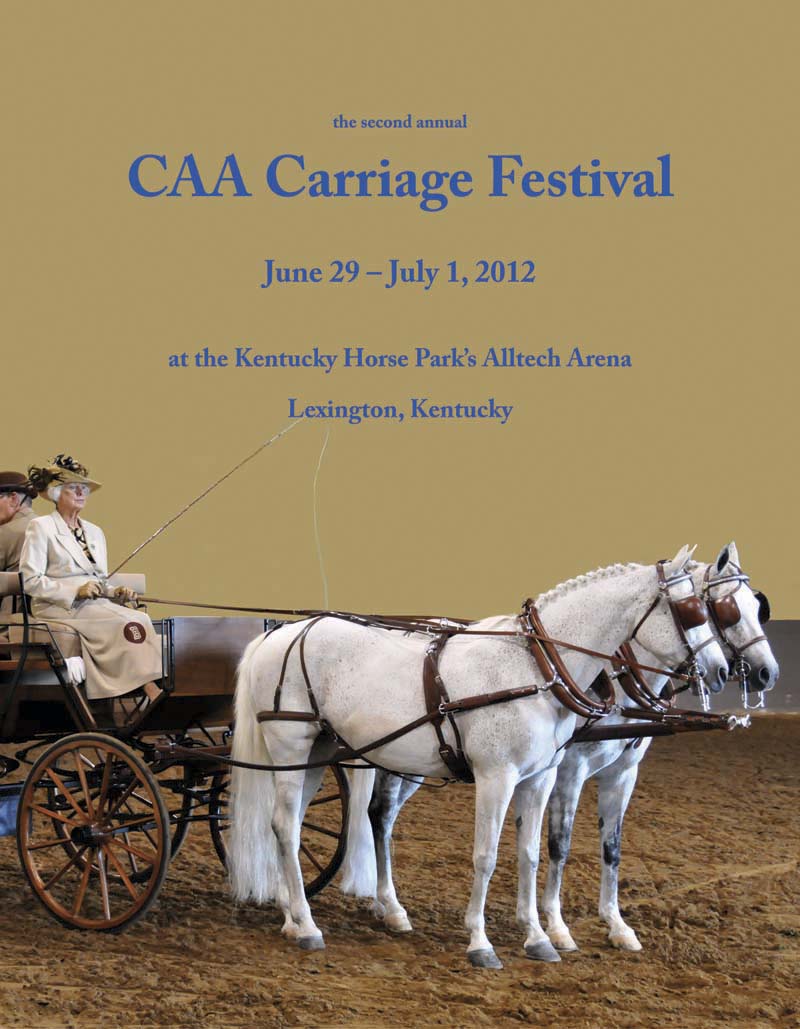
I’ve been working on the (full-color!) program for this year’s Festival and have sent it off to the printer. Here’s a peek at the cover:

.
.

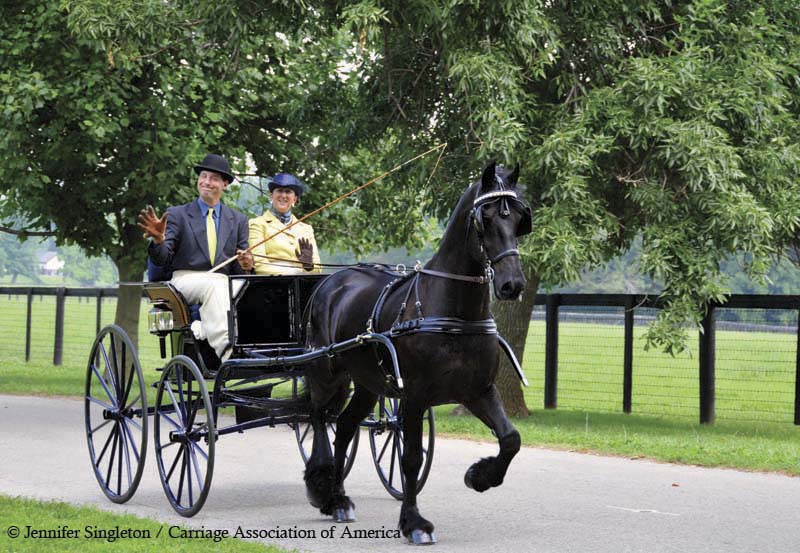
If you’re in the Lexington area next weekend, join us at the Kentucky Horse Park’s Alltech Arena. There will be a pleasure-driving show all day (and evenings) on Friday and Saturday, a beautiful horse-drawn carriage “parade” through the Horse Park and neighboring farms on Sunday, and, on Saturday: a display of restored carriages and an antique car show. The restored carriages and the antique cars will be vying for People’s Choice Awards.

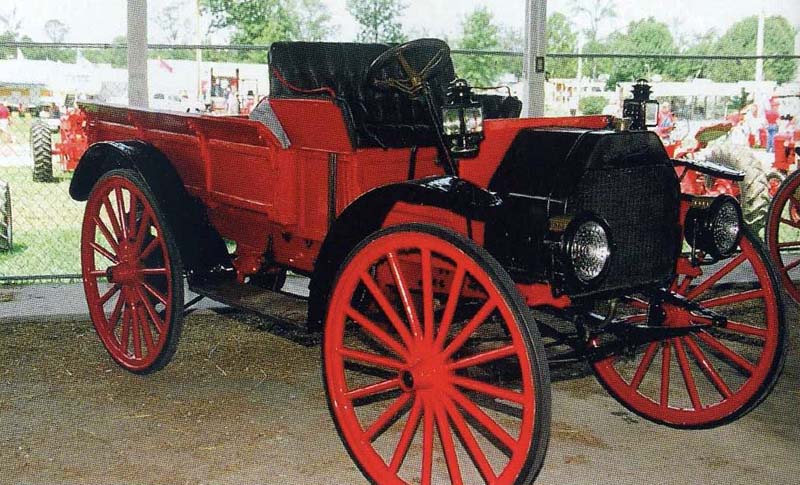
One of the extra-special cars we’re expecting is this gem, a 1915 International Auto Wagon:

.
.

We hope you’ll join us at the Festival! If you can’t be here in person, join us online. I’ll be reporting from the Festival each day, and posting photos, here on the blog, and on the CAA’s Facebook and Twitter pages.

… is coming up in less than three weeks!

As a preview of this year’s event (at the Kentucky Horse Park, in Lexington, June 29 to July 1), let’s take a look at a few of last year’s entries. These are shown here in the order they were taken, from Friday and Saturday’s ring classes, warm-up, and car show, to Sunday’s carriage “parade” through the Horse Park.
If you’ll be in or near Lexington at the end of the month, join us for more horses, ponies, beautiful carriages (being driven and on display), and antique cars!

.

.

.

.

.

.

.

.

.

For a lazy winter-time holiday, here are some scenes from Colonial Williamsburg. I took these in the late afternoon last Friday.

.

.

.

.

.

.

.

On our free afternoon, several symposium attendees made their way to the wheelwrights’ shop to meet the artisans and see what they were up to.

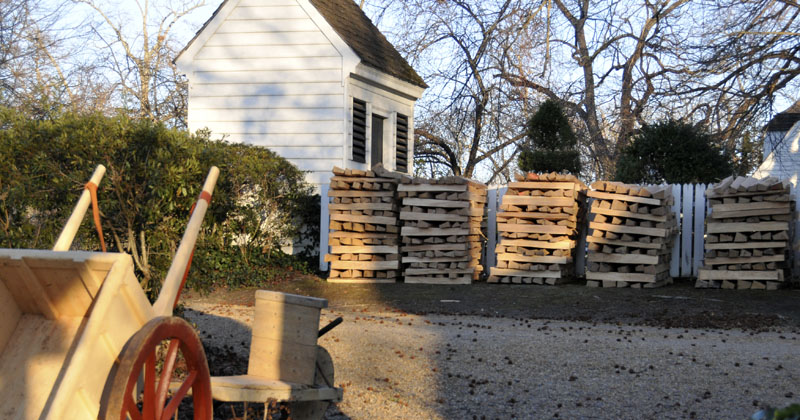
On this day — and for quite a number of days lately — they were splitting white-oak logs for spokes. Several big trees had come down on Williamsburg-owned land during a recent hurricane, and the wheelwrights were the lucky recipients of this unexpected bounty. There are so many logs that they will apparently have enough split wood to last through several years’ worth of spokes.

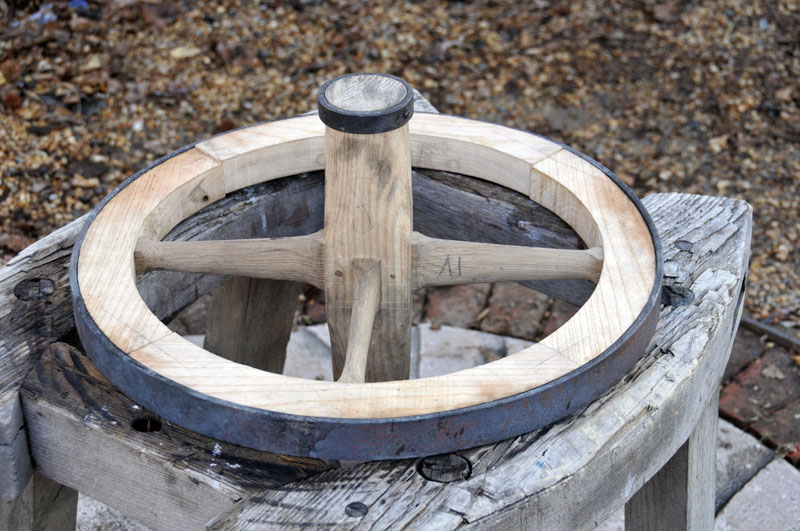
They explained to us that they use white oak for spokes and ash (from the center of the logs) for hubs. Once split, each piece of wood has to dry for one year per inch of thickness, so a twelve-inch chunk of ash must dry for an astonishing twelve years before it can be made into a hub.

In the lean-to next to the wheelwrights’ workshop is the blacksmith’s shop, and we were able to peek in there as well.

.

.

.

.

.

.

.

.

.

.

.

.

Yesterday morning featured several fascinating lectures, which I’ve summarized on Twitter (here).

During the morning’s breaks, everyone gathered for snacks and drinks and another stroll through the trade fair.

.

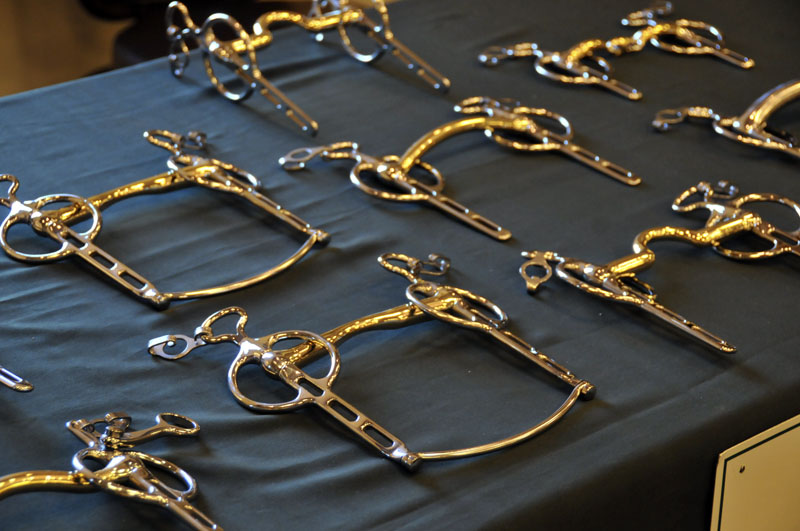
Bowman Leather (Dan and his son Jacob) have a display of their lovely harness, and these handmade bits

.

Louise Ellis makes beautiful jewelry from antique buttons, bridle rosettes, and poker / game pieces ... and braided horsehair (shown here)

.

After the morning’s final lecture, we all had a free afternoon to visit the Colonial Williamsburg stables and the Historic Area and its trade shops.

.

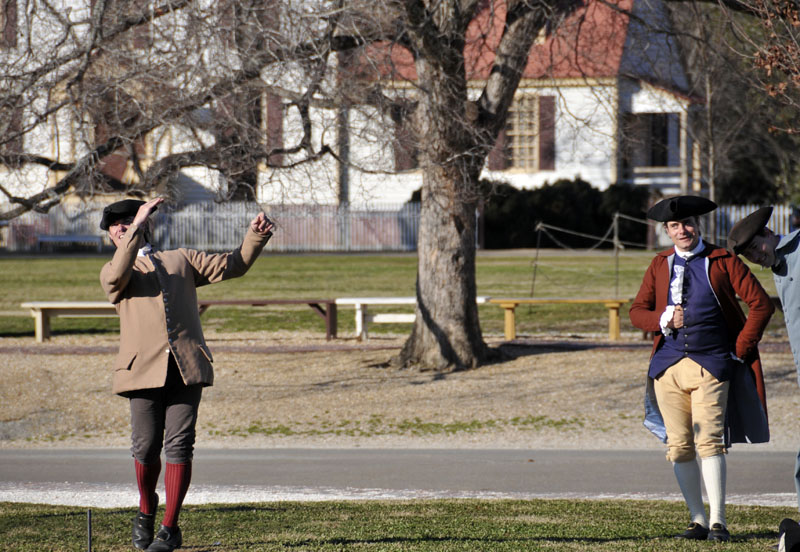
On my walk to the stables, I passed these 18th-c. men playing a game of horseshoes

.

this Landau was built by Colonial Williamsburg in 1960; it was used (driven by Richard Nicoll) for HM The Queen's visit to Williamsburg in 2007

.

this Demi-Landau was probably built in Philadelphia sometime between 1818 and 1840; it can be driven by a coachman or, with the coachman's seat removed, by a postilion

.

... a close-up of the Demi-Landau

.

the Riding Chair was basically just that: a chair on wheels

.

in the harness room, I met this sweetie, who was lying on top of a bucket full of towels

.

detail of a driving bridle in the harness room; I assume these bridles go with the Landau above, as the squirrel on the panels (below) is repeated here on the blinkers

.

the Landau's squirrel

.

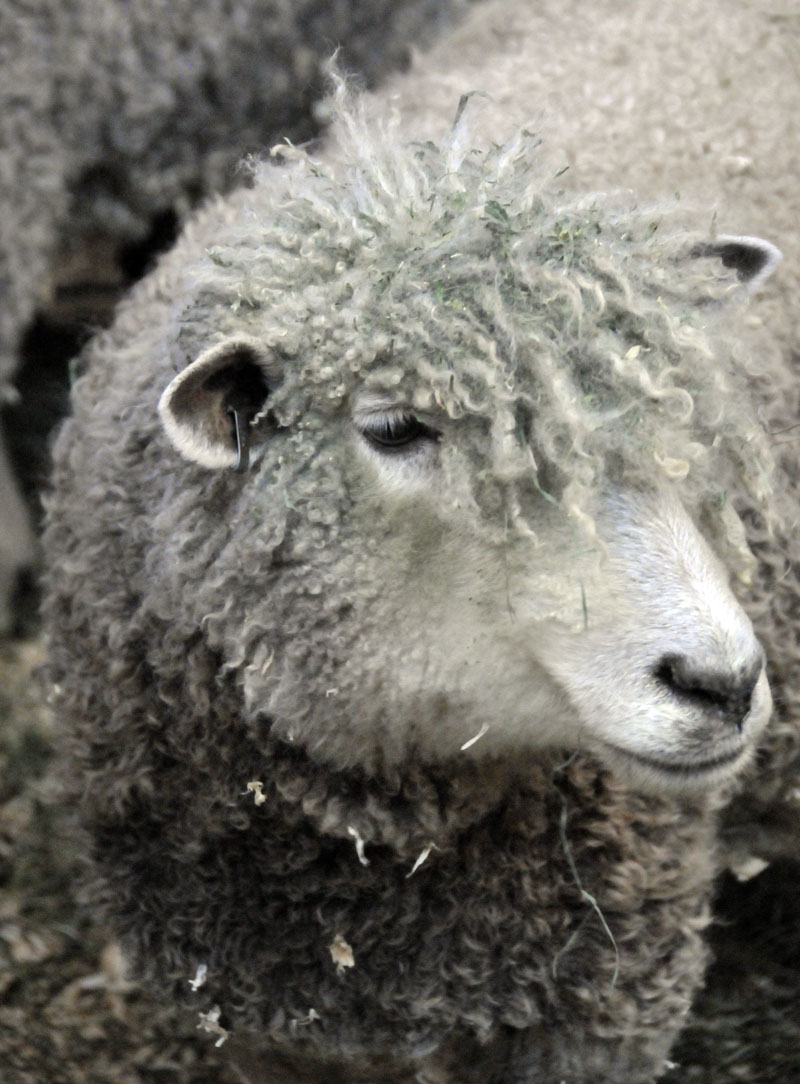
in the aisleway of the stables was a display with information on Colonial Williamsburg's important rare-breeds program, including a live appearance by this, and one other, Leicester Longwool sheep, and several rare breeds of chickens

.

After leaving the stables, I walked through town to the wheelwrights’ shop. I’ll post photos from that visit tomorrow.

« Previous PageNext Page »